Fake dating manhwa, explained: the deal, the rules, the audience to fool and the slip that makes it real, with Fake Fiancée Scoreboard as our case study.
“It’s just pretend.” Three words, and every romance fan reading already knows how this ends. The fun of fake dating manhwa is that nobody believes the lie except the two people telling it. Here’s how the trope works, beat by beat, and why a fake engagement between two lifelong rivals is our favorite way to watch it fall apart.
Fake dating (and its dressed-up sibling, the fake engagement) is one of the most reliable engines in romance. It forces two people into hand-holding, pet names and staged dates long before either is ready to admit anything. The act is the excuse. The feelings are the punchline.
Key takeaways
1Every fake relationship has five parts: the deal, the rules, the audience, the slip and the moment it stops being fake.
2The tighter the rules, the more satisfying it is when someone breaks one.
3Rivals make the best fake couples, because pretending to like each other is the hardest job of all.
Most romances have to invent reasons for two people to touch, flirt or show up somewhere together. A fake relationship hands the story all of that on day one, then adds a delicious layer of dramatic irony: every tender gesture might be a performance, and the reader gets to guess which ones aren’t.
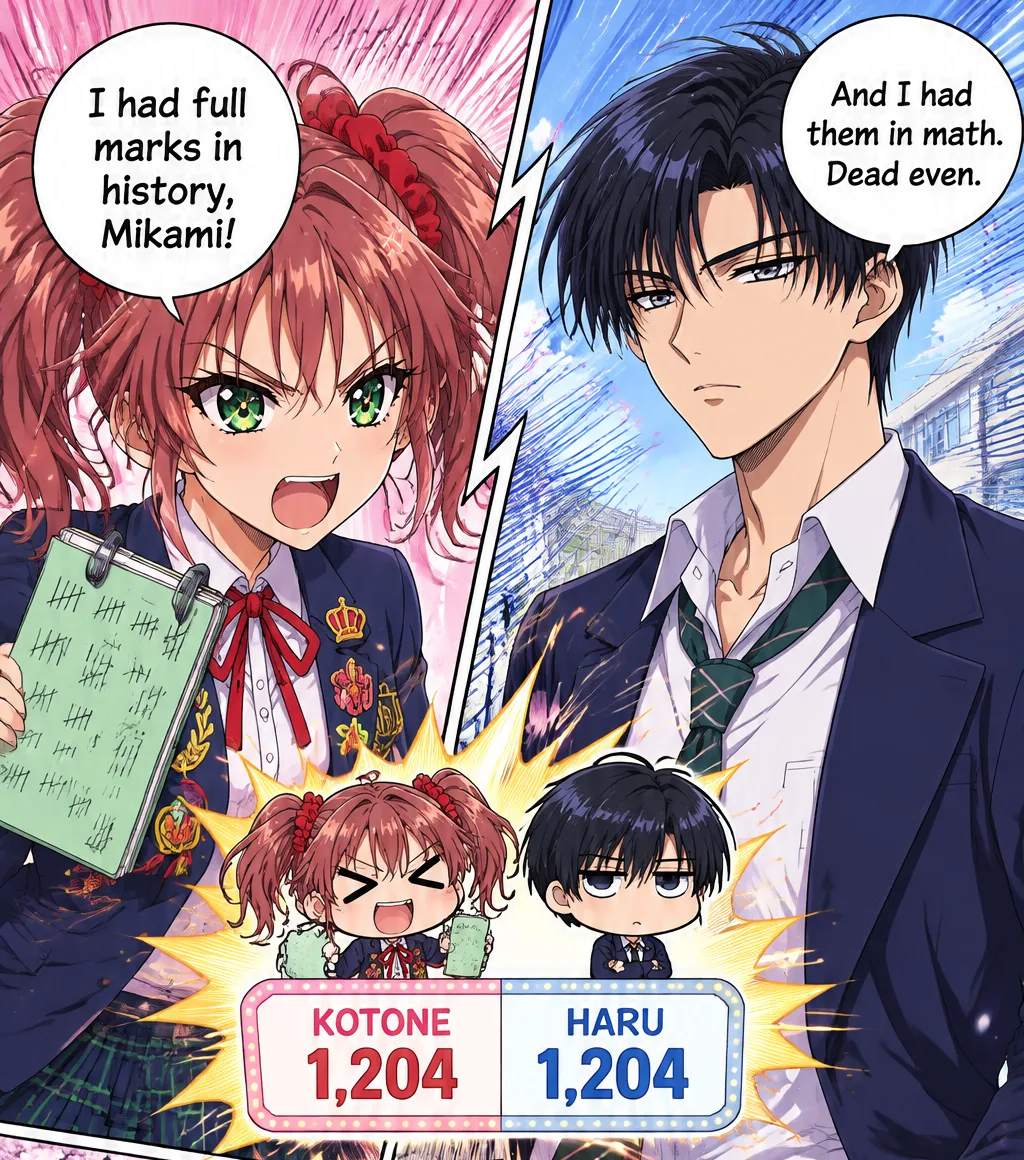
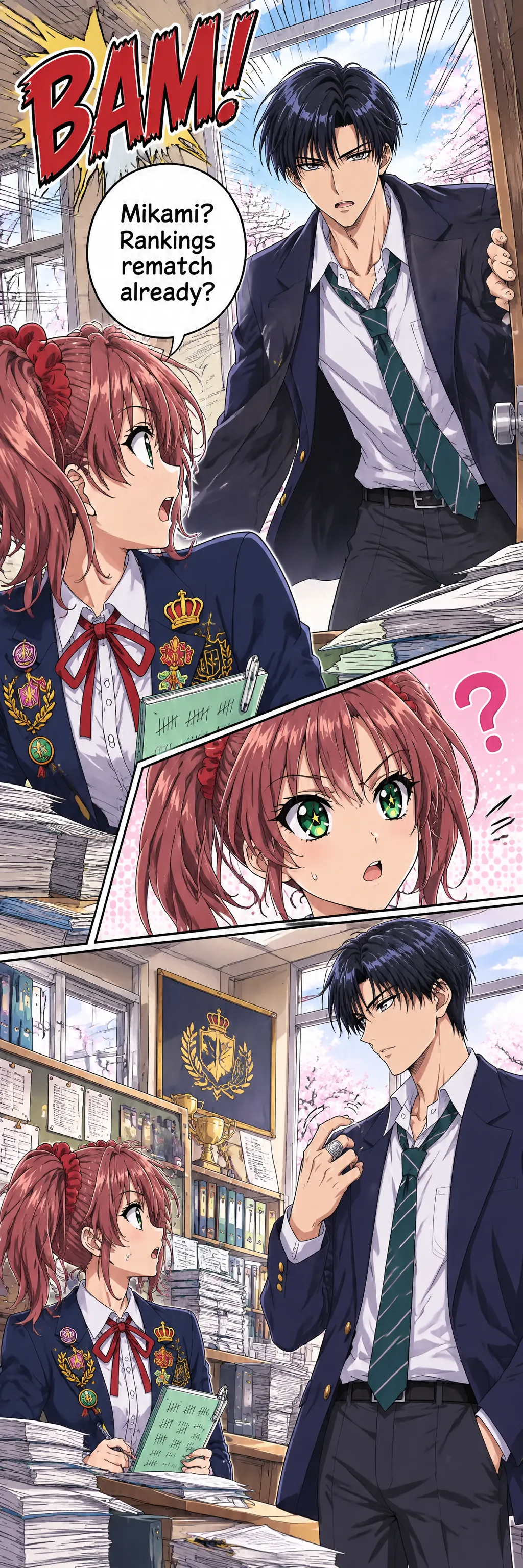
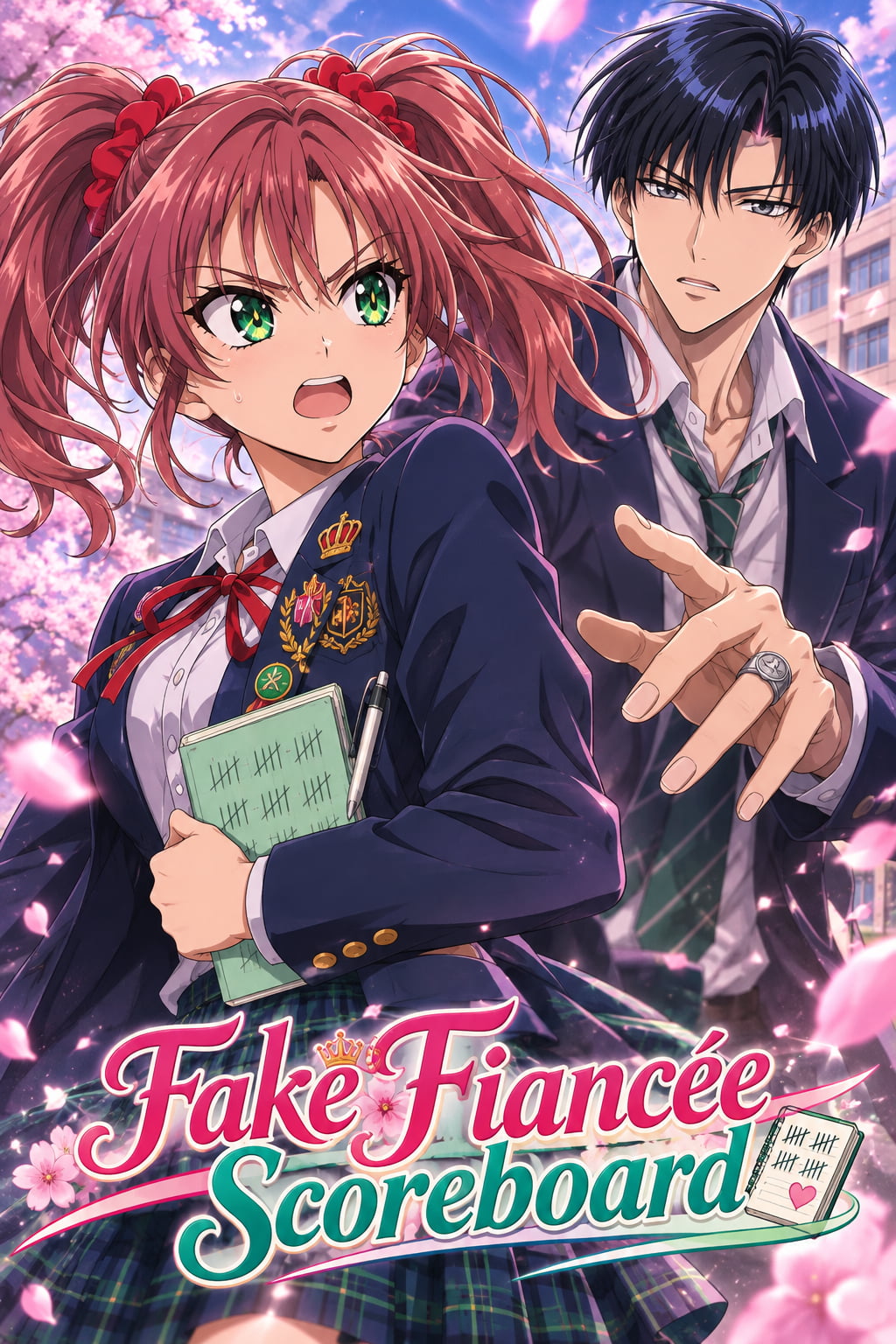
Our case study is Fake Fiancée Scoreboard, a school rom-com about Kotone Asahi and Haru Mikami, two top students who have fought over every test score, relay race and class election since kindergarten. The tally is dead even.
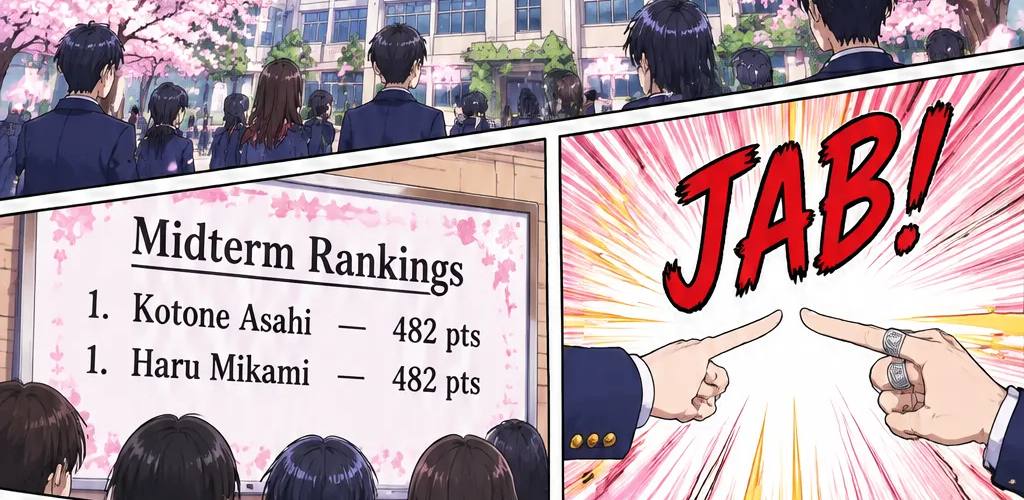
Episode 1 opens on a tie at the top of the midterm rankings. Again.
1,204 to 1,204: a lifetime rivalry, kept score in a mint-green notebook.
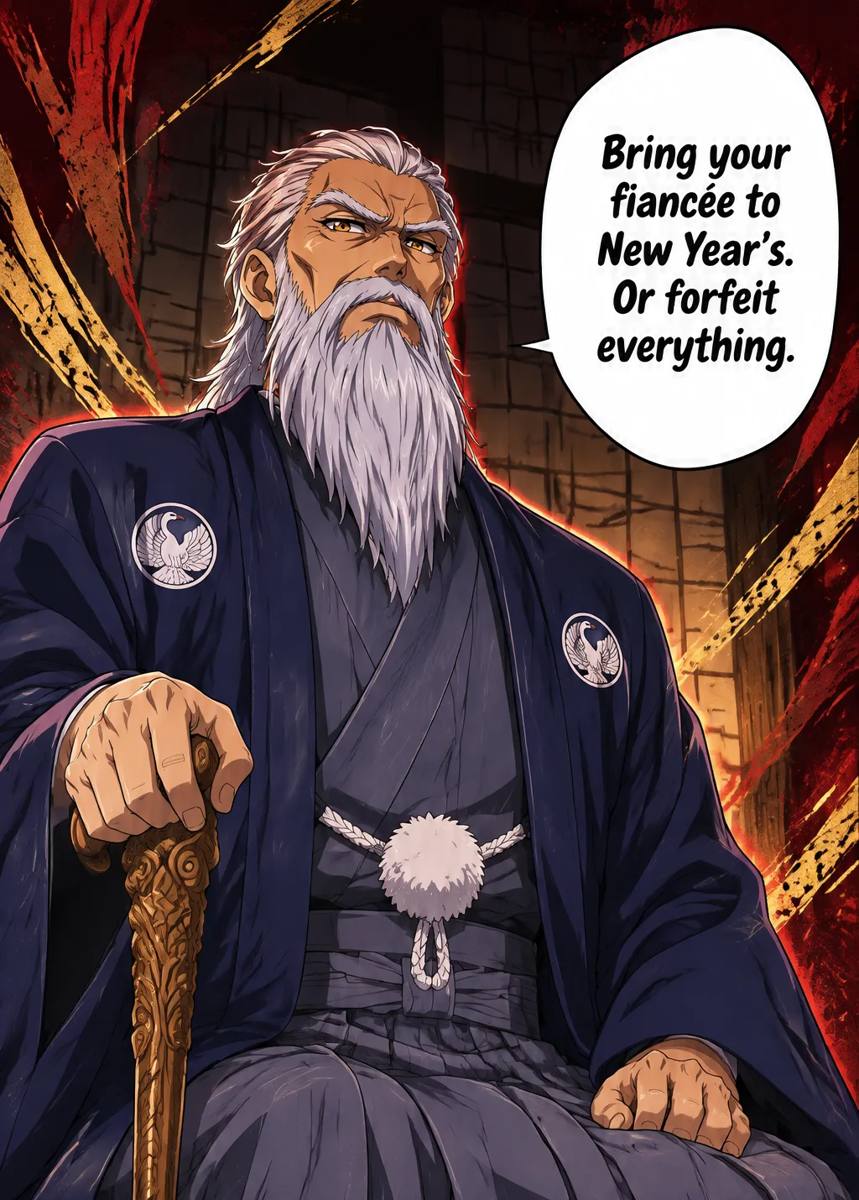
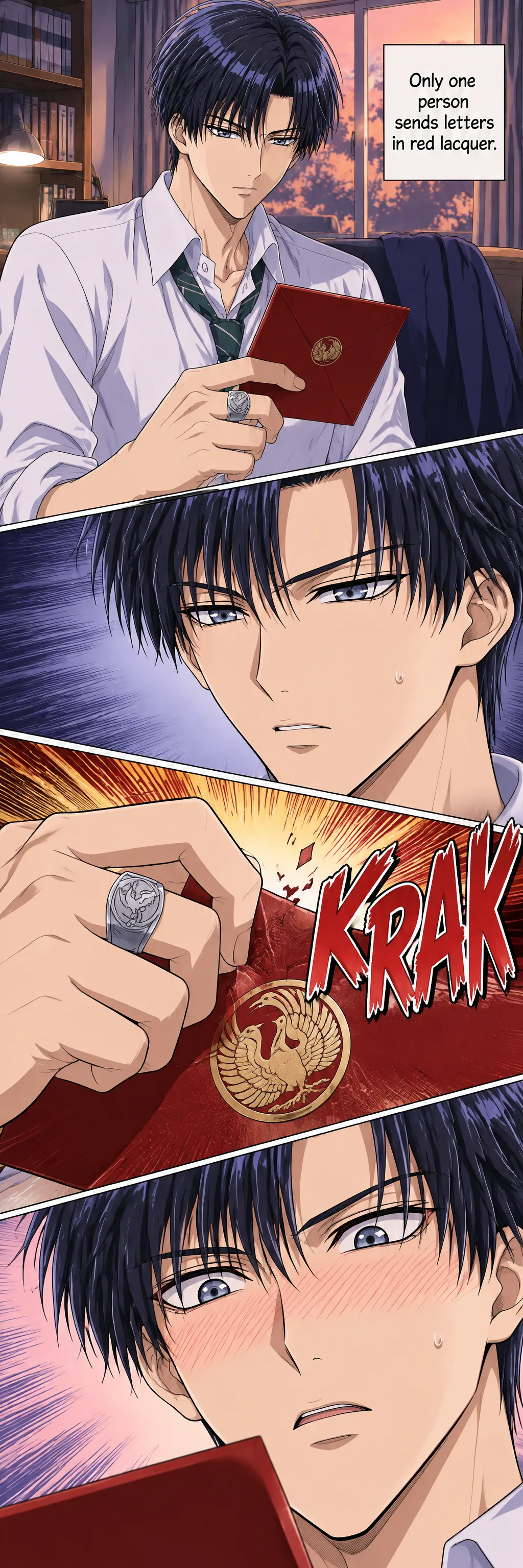
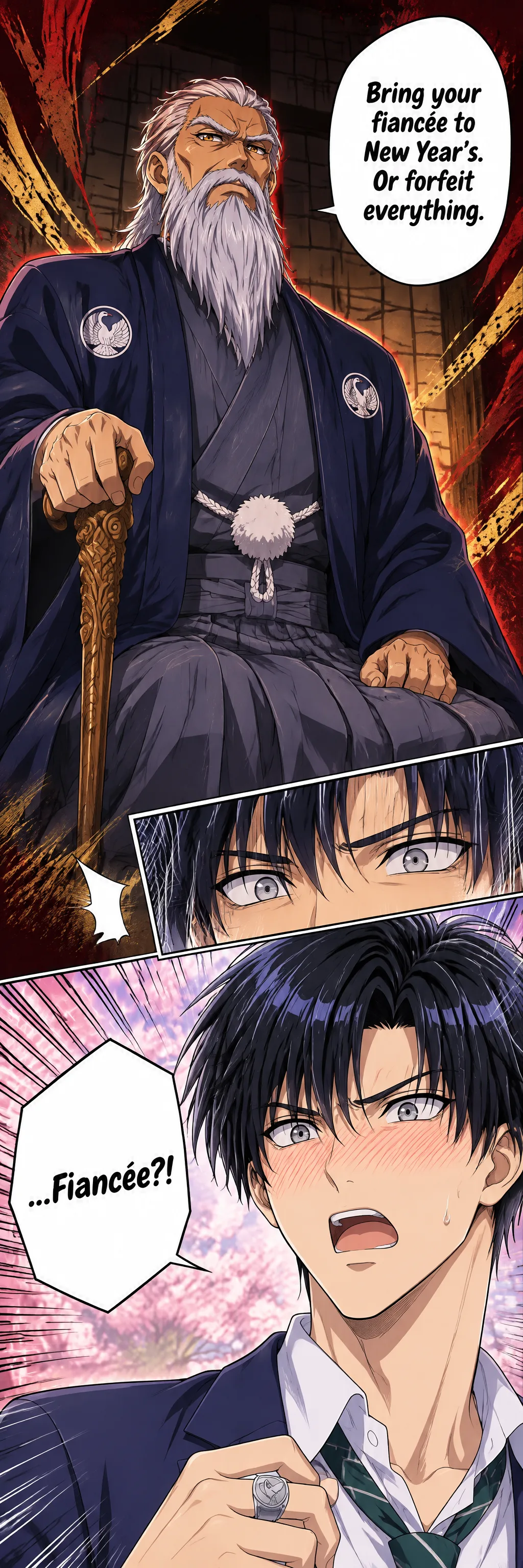
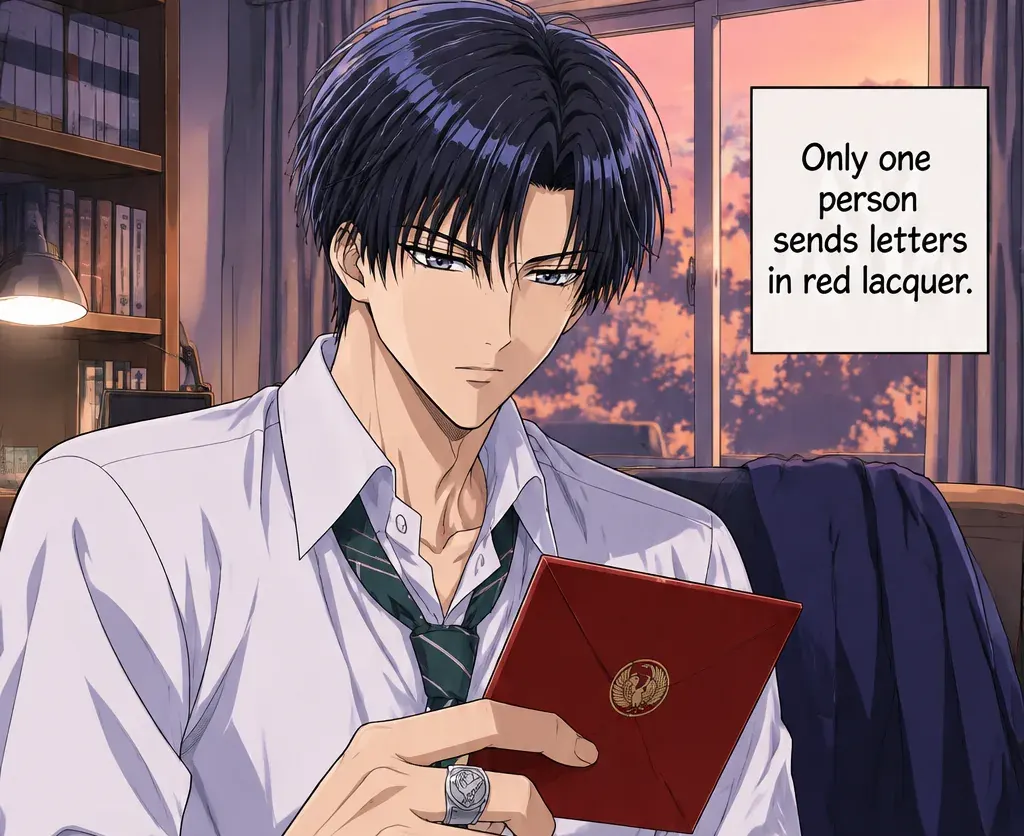
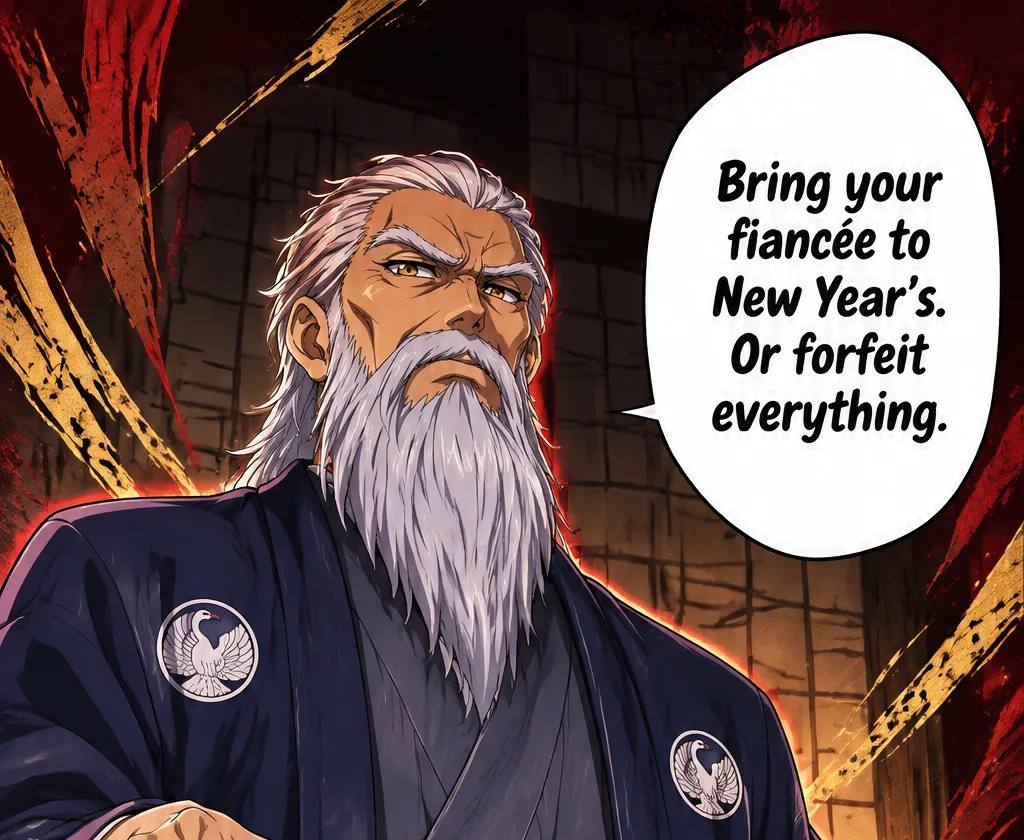
Every fake relationship starts with a problem only a partner can solve. A wedding to survive, an ex to make jealous, a family to keep off someone’s back. In Fake Fiancée Scoreboard it’s an inheritance: a red lacquered letter from Haru’s formidable grandfather with a very short ultimatum.
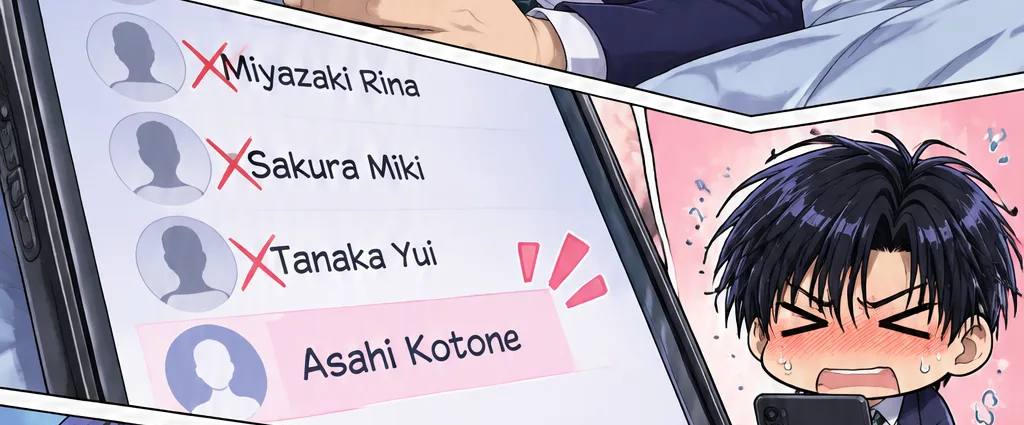
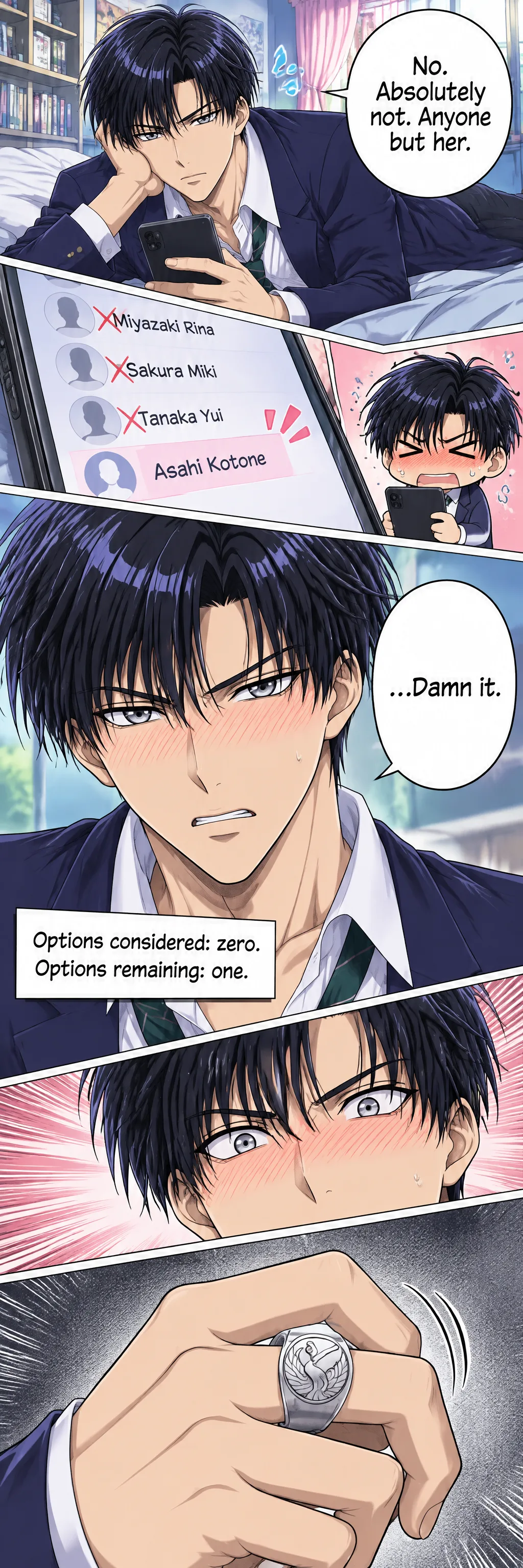
Grandpa Mikami does not do small talk.The worst proposal in school history.Options considered: zero. Options remaining: one.
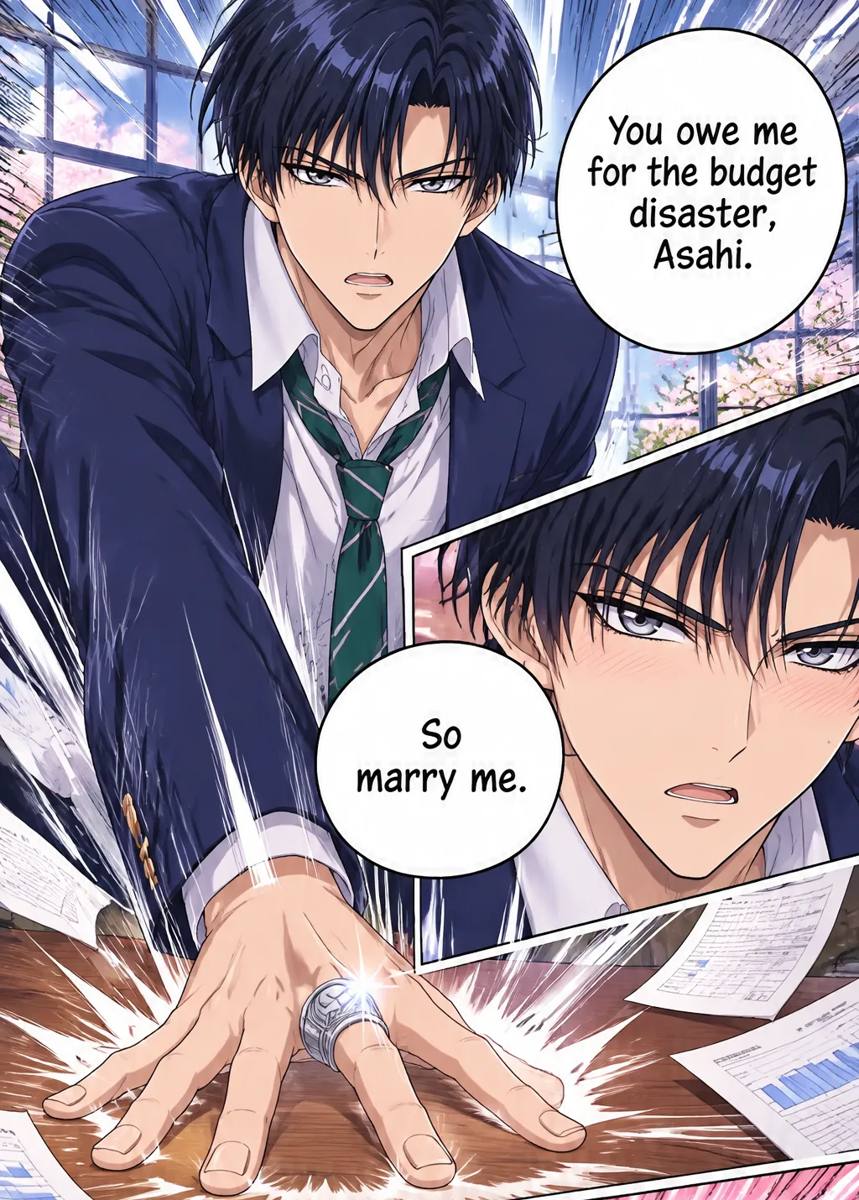
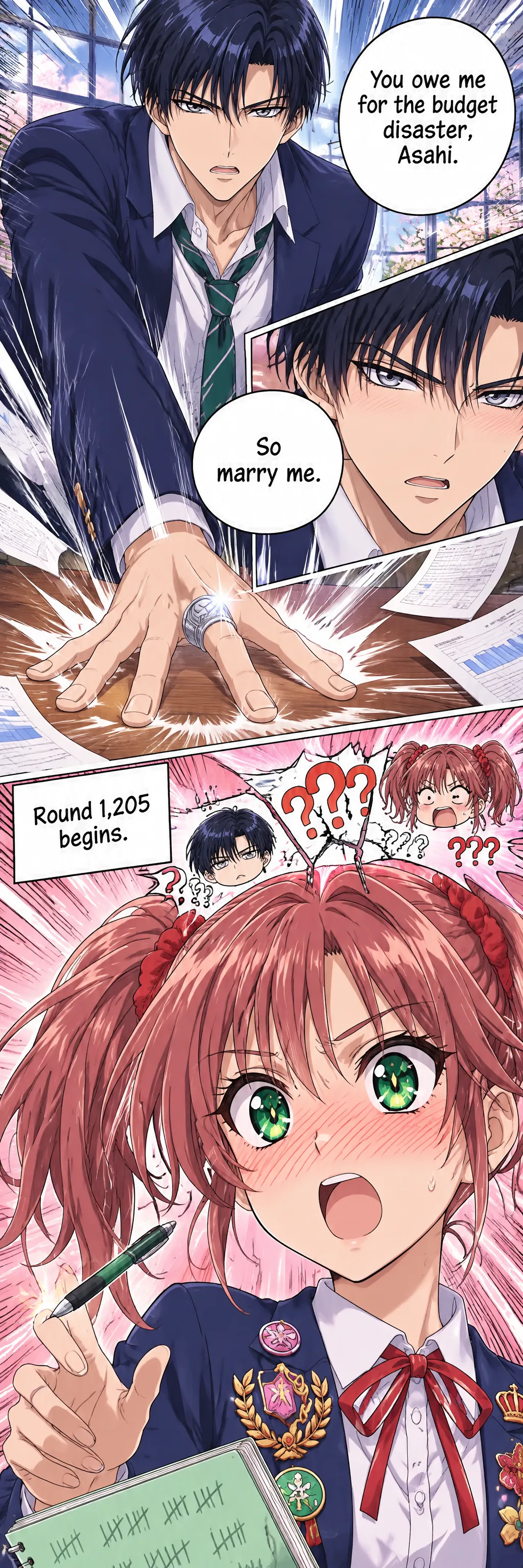
The best detail is the leverage. Haru doesn’t ask nicely. He reminds Kotone that she still owes him for covering her student council budget disaster. A fake relationship built on a debt is already a rivalry with a ring on it.
“You owe me for the budget disaster, Asahi. So marry me.
— Haru Mikami, episode 1
Scroll the whole proposal sequence the way it reads on your phone:
next morning
Episode 1, from the cracked crane seal to 'So marry me.' Scroll inside the phone.
Fake couples always write rules, and readers always treat them as a checklist of things that will go wrong. Kotone adds her own twist: she’ll only agree if they compete over who plays the devoted couple more convincingly, with points tracked in her scorecard notebook. Here are the unofficial rules every fake relationship lives by.
The rules of the fake relationship
Read these as a list of promises the story intends to break.
1
Agree on the backstory
How you met, who confessed first, and what you call each other. Expect a fight over that last one.
2
Touching is for the audience only
Hand-holding happens in public. Nobody holds hands when no one is looking. (Somebody will.)
3
Set an end date
The deal ends after the wedding, the gala, or New Year. Deadlines exist to be dreaded.
4
Nobody catches feelings
Fake Fiancée Scoreboard makes it official: the first one to actually fall in love loses.
5
Keep score
Optional in most stories, mandatory in this one. Every staged lunch and pet name is a point.
A fake relationship needs a skeptic. Someone has to watch the couple closely enough that the act has to get better, and closer, every chapter. Here, that’s Grandpa Mikami: an imposing elder who, per the series synopsis, watches every move with a suspicious eye.
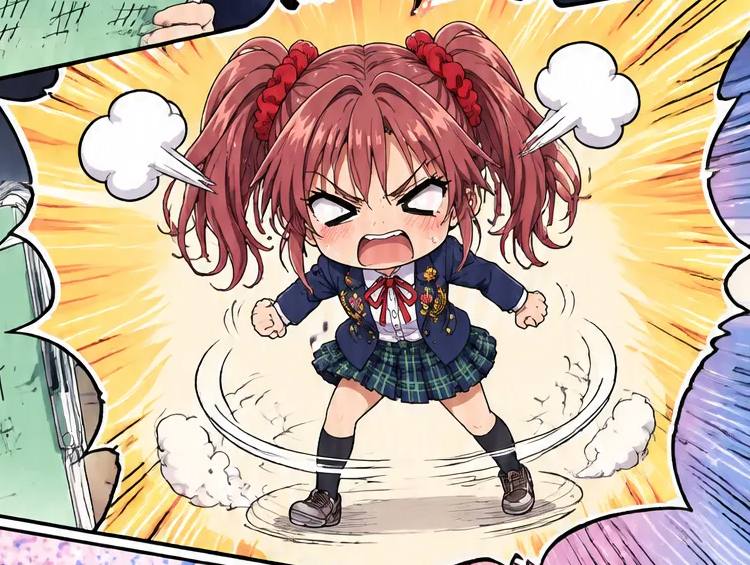
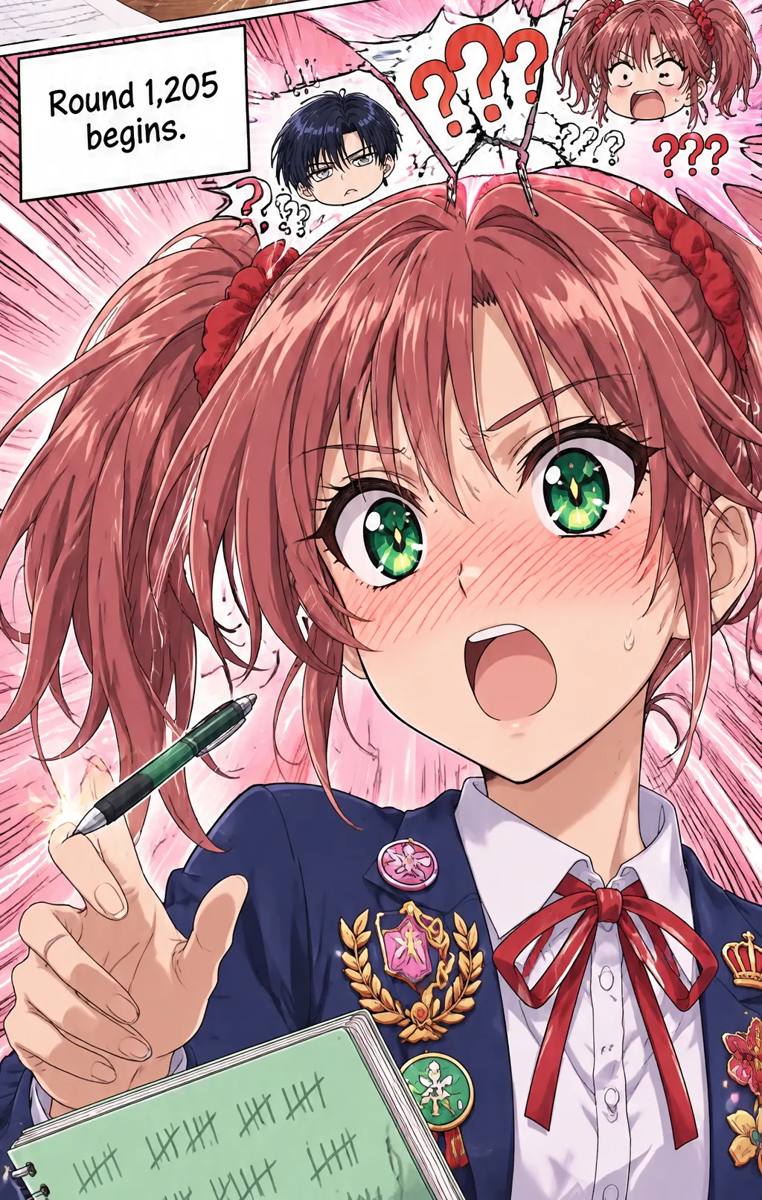
The fake couple and the audience they have to convince. Kotone even gets a chibi tantrum.
Fake engagement stats · start of the deal
Competitive spirit
99
Round 1,205 has begun.
Acting ability
40
They have never once been nice to each other.
Grandpa's suspicion
88
One eyebrow, permanently raised.
Feelings (officially)
0
Nobody is checking the unofficial number.
Notice the lopsided bars. That gap is why rivals make such good fake couples. Strangers only have to act friendly; rivals have to act like they’ve stopped fighting, in front of the one person most likely to notice. Every staged rooftop lunch becomes a contest, and every contest gives them a new excuse to stand a little closer. Kotone keeps score, Haru pretends not to care about the score, and both of them are watching each other far more carefully than the act requires.
The slip is the moment the performance outruns the script. A blush that wasn’t rehearsed, a protective reflex, a nickname used in private. Episode 1 of Fake Fiancée Scoreboard ends on Kotone’s reaction to the proposal, and it already doesn’t look like pure outrage.
Pen dropping, scoreboard shattering into question marks. That blush isn't in the rules.
Kotone AsahiNext round, I’m breaking the tie!
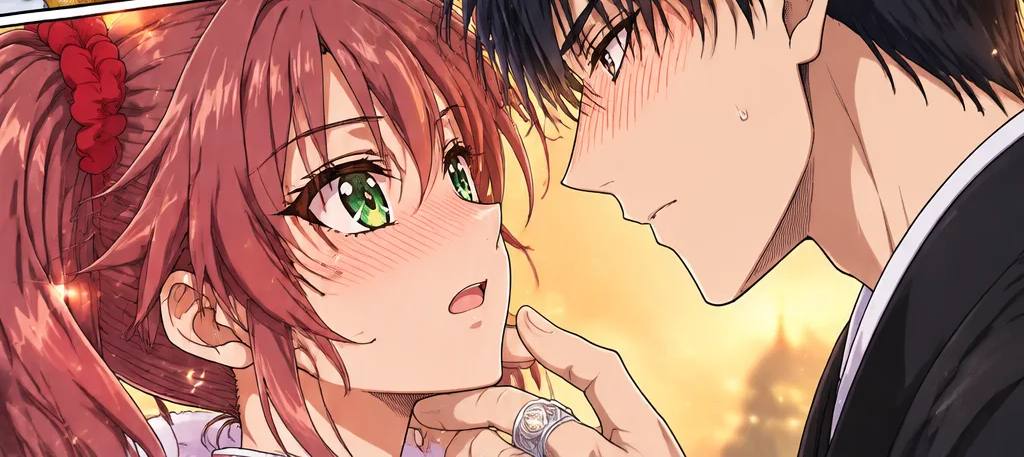
The episode also teases where the season is headed, with a run of winter panels: a red scarf in the snow, New Year kimono at a snowy shrine, and one golden-lit moment that is very much not a rivalry.
Winter is coming for these two: scarves, snow and New Year finery.
Spoiler
The synopsis promises a scarf shared in the snow and a blush neither of them can explain away, all building toward a New Year’s Eve where the engagement and the rivalry face their final round. Only episode 1 is out so far.
BA-DUM
The moment a fake couple forgets to perform is the moment it gets real.
The payoff of the trope isn’t the confession. It’s the realization that the “act” was honest all along. Fans love it when one partner says the line they rehearsed, and it suddenly means something. Rivals sharpen that twist: admitting the feelings means losing the game, so neither will say it first.
A golden-hour almost-kiss, teased in episode 1. Who scores this point?
Want the deal to be binding? Two contract romances scratch the same itch with bigger stakes:
Wed to the Fox of the Forgotten Shrine: one red ribbon tied to the wrong tree, and a city girl is magically married to a nine-tailed fox spirit who wants nothing to do with her.
The Villainess Audits the Dragon Duke: a reincarnated tax auditor proposes a one-year contract marriage, run like a financial restructuring, to dodge her execution.
Two people agree to pretend they're a couple, usually to fool family, friends or rivals, and set rules to keep it strictly business. The fun is watching the act get more convincing until the feelings stop being an act.
What's the difference between fake dating and a contract marriage?
Fake dating is a performance with social stakes and an easy exit, while a contract marriage is legally or magically binding. Fake dating runs on near-misses in public; contract marriage runs on shared homes, politics and deadlines.
Is there a fake engagement manhwa I can read free?
Fake Fiancée Scoreboard on Toonor is a free rivals-to-lovers rom-com where two top students fake an engagement for a family New Year gathering and keep score of who plays the couple better.
 Trope Explained
 Toonor Originals