Second chance romance manhwa, explained: the unanswered confession, the lost letter and the hometown return, plus two Toonor comics that ache in the best way.
Some love stories start with a meet-cute. The ones that wreck us start with a meet-again. A confession left unanswered, a letter that never arrived, a train ride back to the town you swore you'd outgrown. Here's why second chance romance manhwa hurts so good, and two Toonor originals that will have you clutching your phone like it owes you an apology.
A second-chance romance doesn't ask "will they fall in love?" It asks something sharper: they already did, so what went wrong? The couple walks onto the page with history, and every look between them carries years of what-ifs. That's the ache. And in a vertical scroll comic, where a flashback can bloom in soft pastels right under a cold present-day panel, the ache has room to breathe.
Key takeaways
1The trope runs on a missing piece: an unanswered question, a lost letter, a secret someone kept.
2The hometown return forces the past and present into the same frame, and neither of them looks the way anyone remembers.
3Our picks: a reunion weekend built around a buried time capsule, and a letters-in-a-bottle story where the gap isn't years apart, it's years out of sync.
Every great second-chance story has three ingredients. Miss one, and it's just two exes being awkward at a party. Get all three, and readers will stay up until 3 a.m. scrolling.
The unanswered question. Something was left hanging the first time: a confession met with "no" and no reason, a promise that quietly broke. The reader needs to know why just as badly as the characters do.
The missed message. The cruelest, most delicious device in romance. One person said everything. The other never heard it. Now they've both spent years living inside the wrong story.
The return. A reunion, a funeral, a festival, a hometown visit. Some place that drags both of them back to where it started, older and armored, and makes them stand in the same light again.
The real magic is that the reader usually knows a little more than one of the leads. We saw the letter get written. We watched it go into the locker. So when someone says, ten years later, "I never got any letter," the floor drops out from under us too.
Ten years ago she said no without a reason. This weekend, the reason gets dug up.
Second chance
Class reunion
Hometown
Slow burn
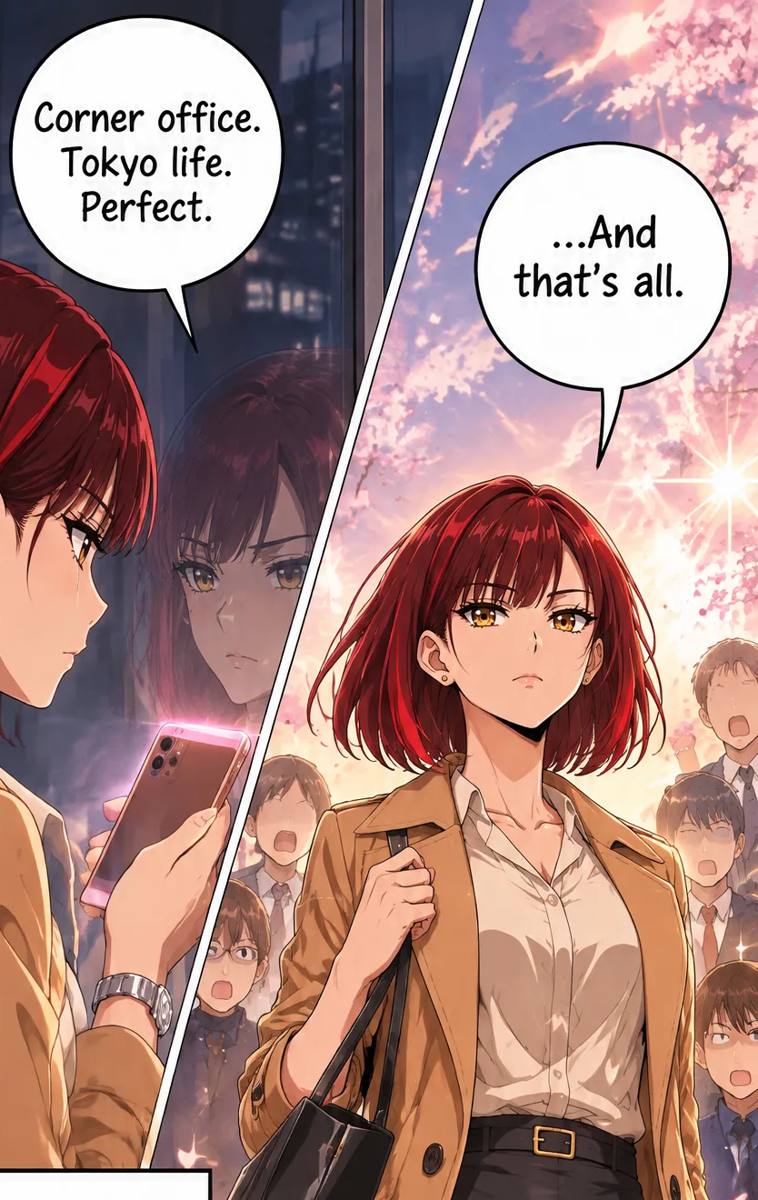
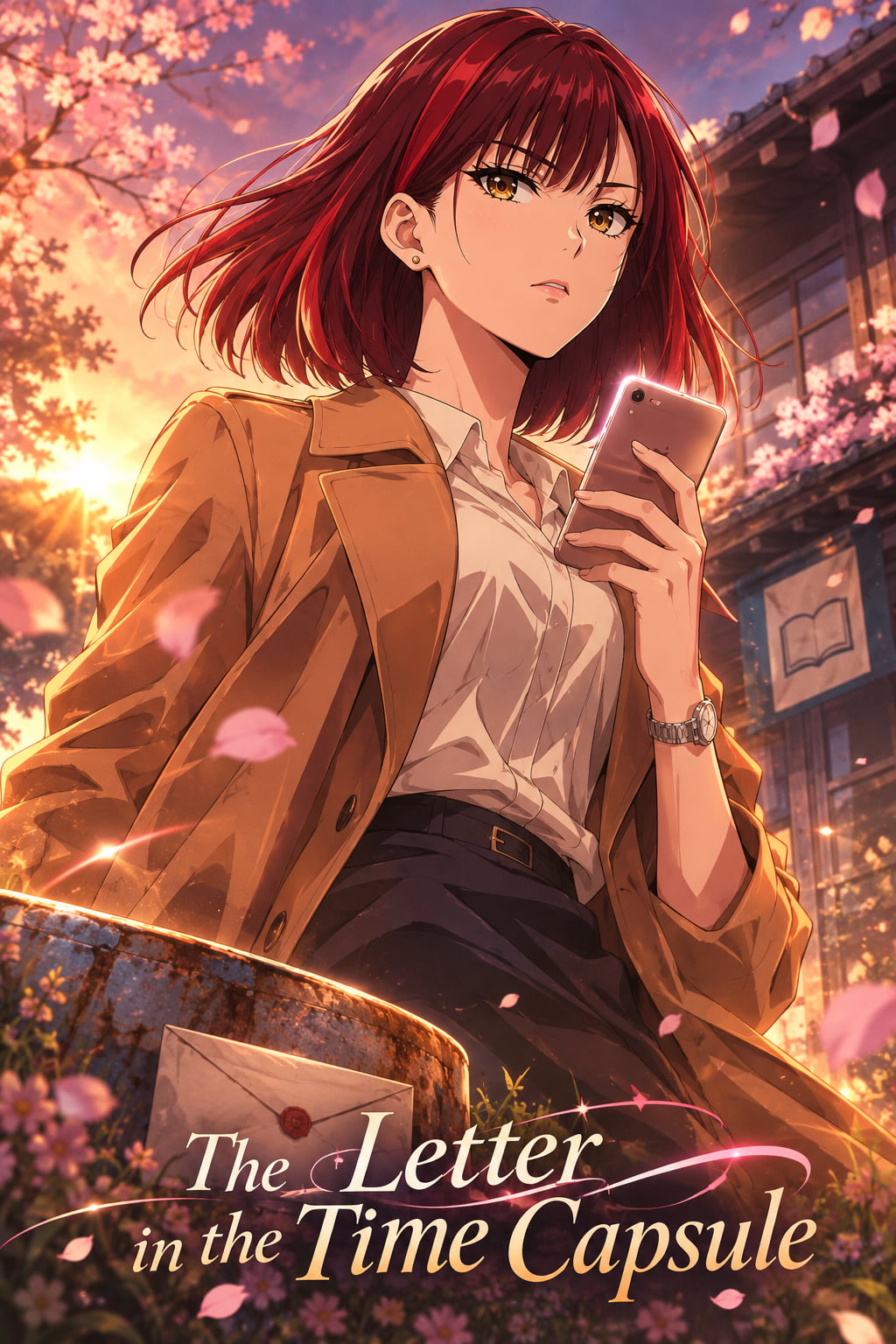
Akane Mizuhara has spent ten years building the perfect Tokyo life: corner-office ambitions, a camel coat, a phone that never stops buzzing. When a sticker-covered reunion invitation shows up, she goes home to prove she made it, and to face Sota Kiyomiya, the gentle boy she rejected on graduation day.
She left him a letter that explained everything. Sota, who now runs the town's quiet bookstore, tells her calmly that he never received any letter. Over one reunion weekend, the old class digs up its time capsule, and every object exposes another secret.
This is the textbook second-chance setup, executed with real style. Episode 1 opens in chilly Tokyo grays, Akane the last light on in her office building, then cuts to a graduation-day flashback washed in pastel and film grain. The contrast does half the emotional work before anyone says a word.
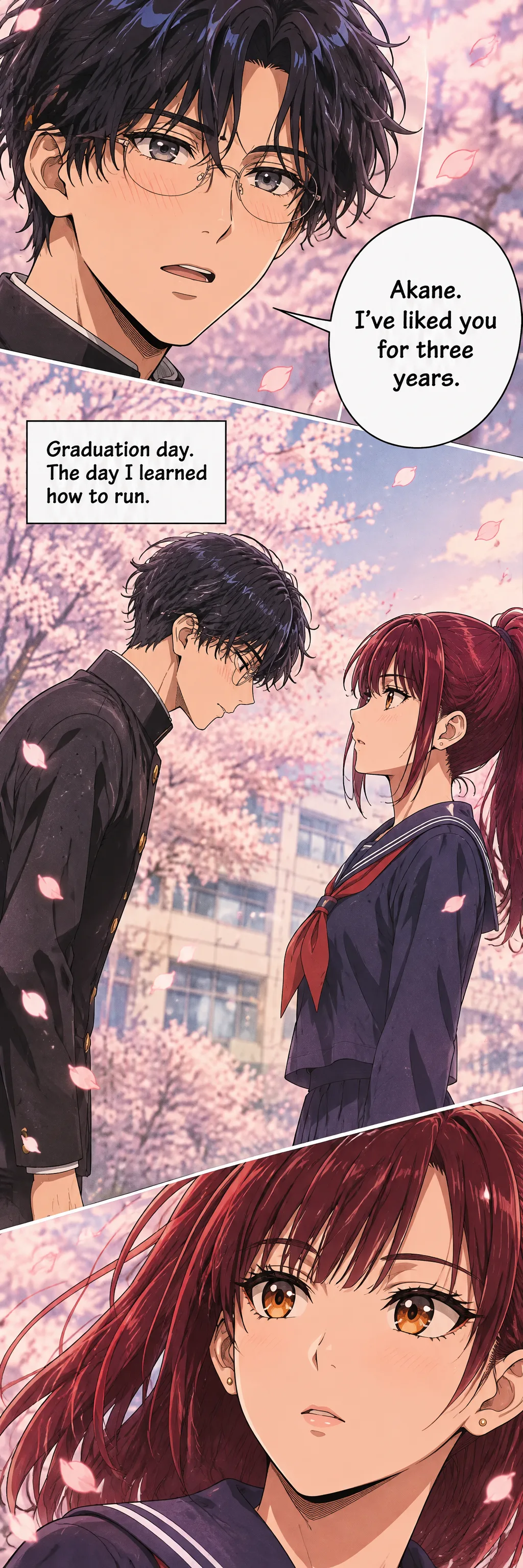
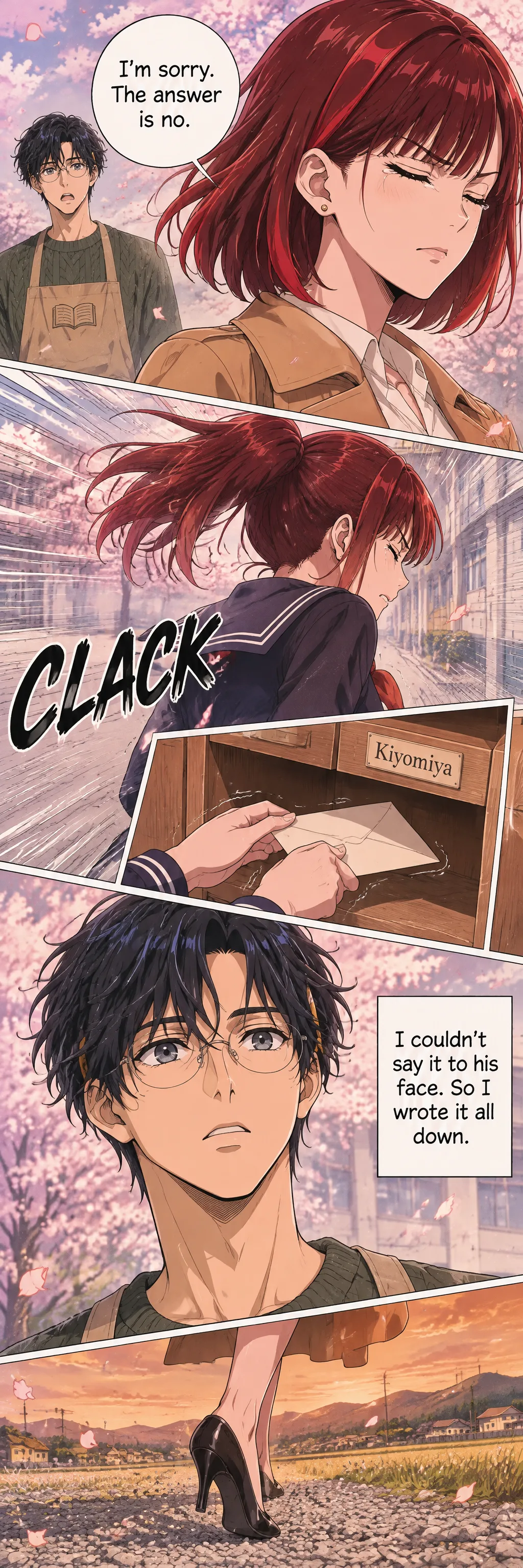
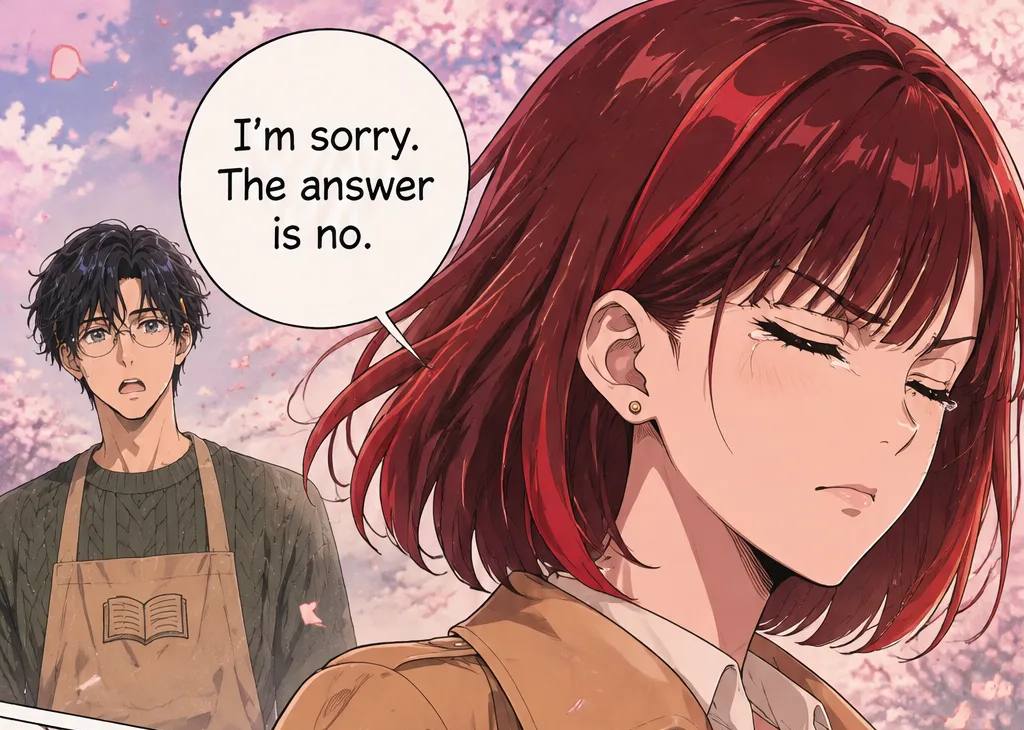
Episode 1's flashback in two pages: a three-year crush, a no without a reason, and an envelope in a shoe locker.
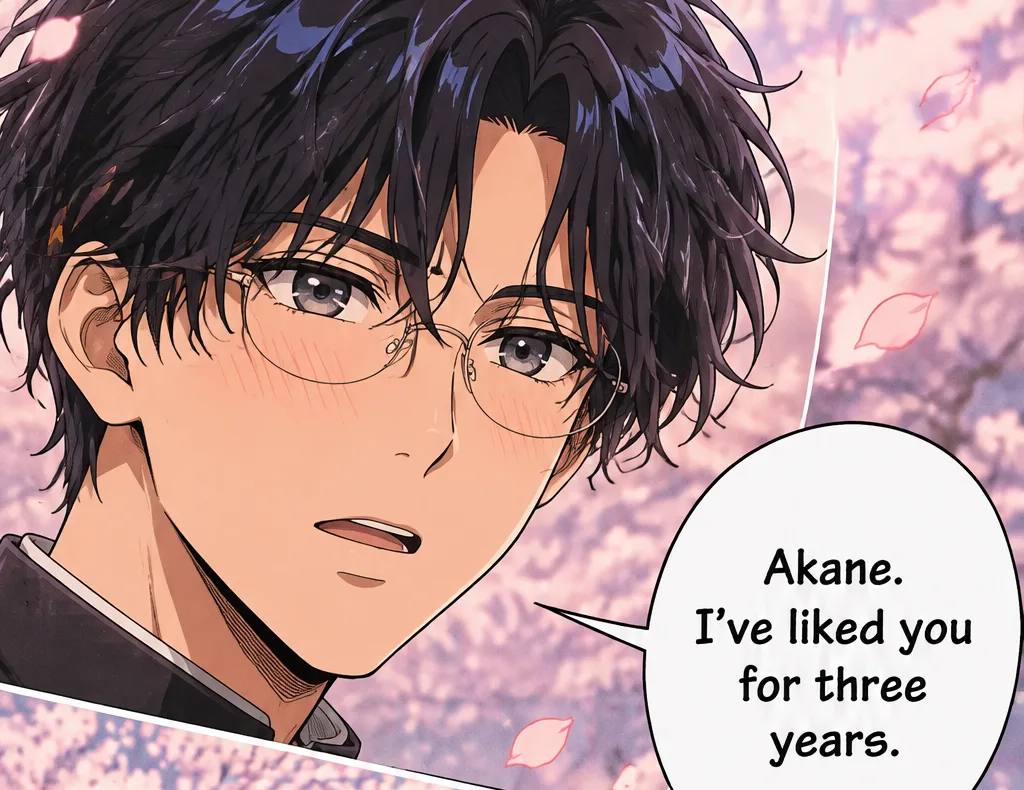
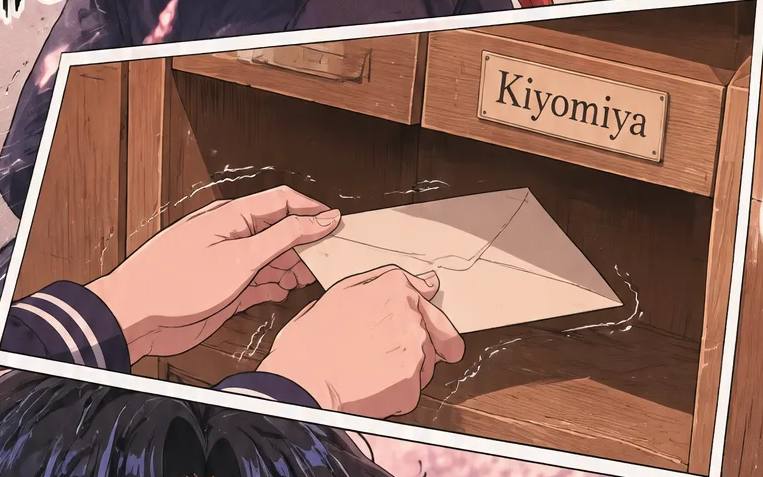
Three years of feelings, one sentence.The letter. Remember this envelope.
Akane, graduation dayI'm sorry. The answer is no.
Notice what the comic doesn't tell you: what's in the letter. Akane's caption says only that she couldn't say it to his face, so she wrote it all down. That withheld reason is the engine of the whole series, and it's exactly the "unanswered question" ingredient from above.
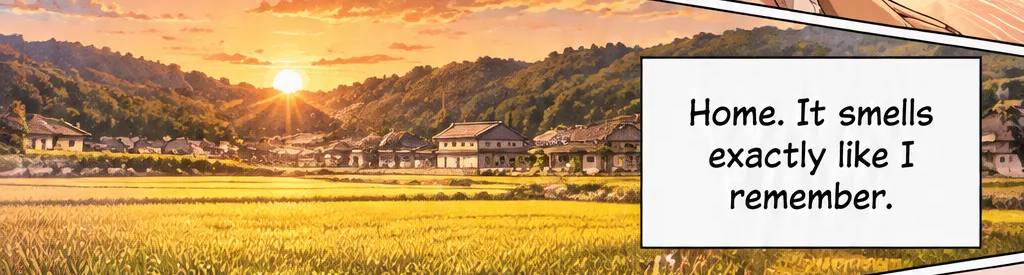
The hometown return: golden rice fields, cicadas, and a heroine whose expensive heels sink straight into the gravel.
Then comes the return. Akane steps off a little rural train into late-summer gold, insisting to herself that she's only here to show everyone she made it. Nobody reading believes her. And the welcome party is Yuzu Takeda, her former best friend and the reunion's loud, megaphone-wielding organizer.
Spoiler
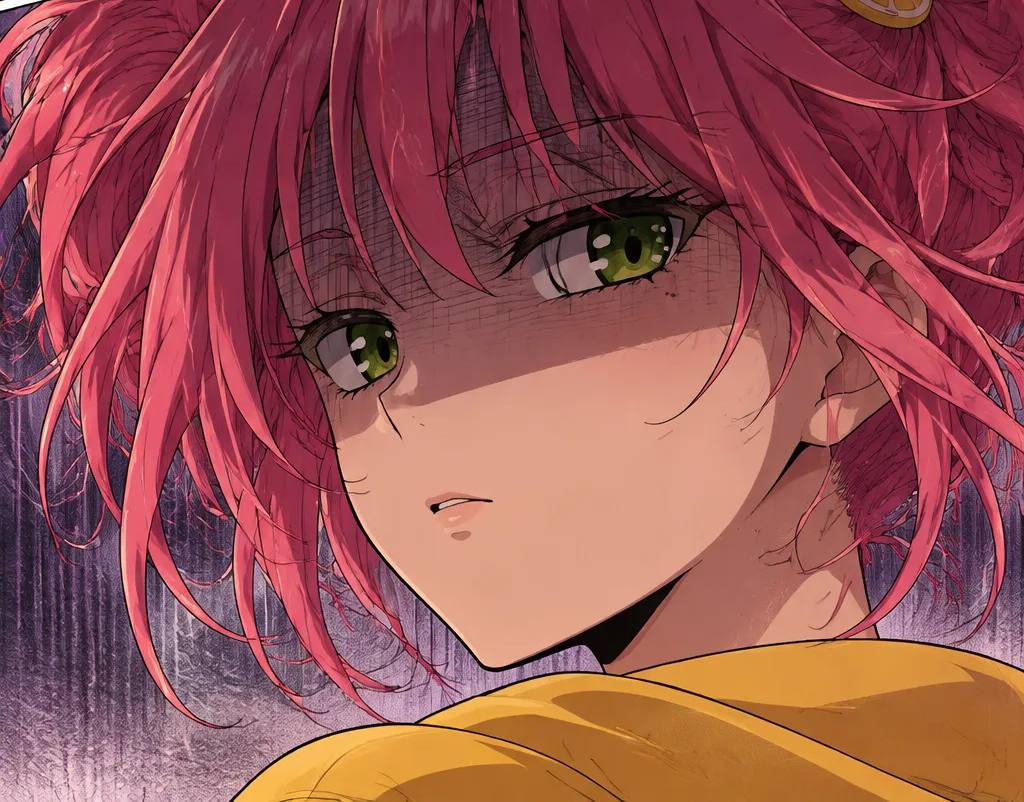
Episode 1 ends on a single, chilling panel. Yuzu hugs Akane and says everyone's waiting, then her bright smile drops into shadow for one beat. The series synopsis says Yuzu knows exactly where that letter went.
For one second, her best friend looked like a stranger. Best episode-ending panel on Toonor right now? We think so.
Akane, the Tokyo high-flyer with a ponytailed past, and Sota, the bookish boy who became the town's bookseller.
She found his letter in a bottle. She answered. Then she noticed his letters were dated three years ago.
Time-crossed romance
Letters in a bottle
Lighthouse
Mystery
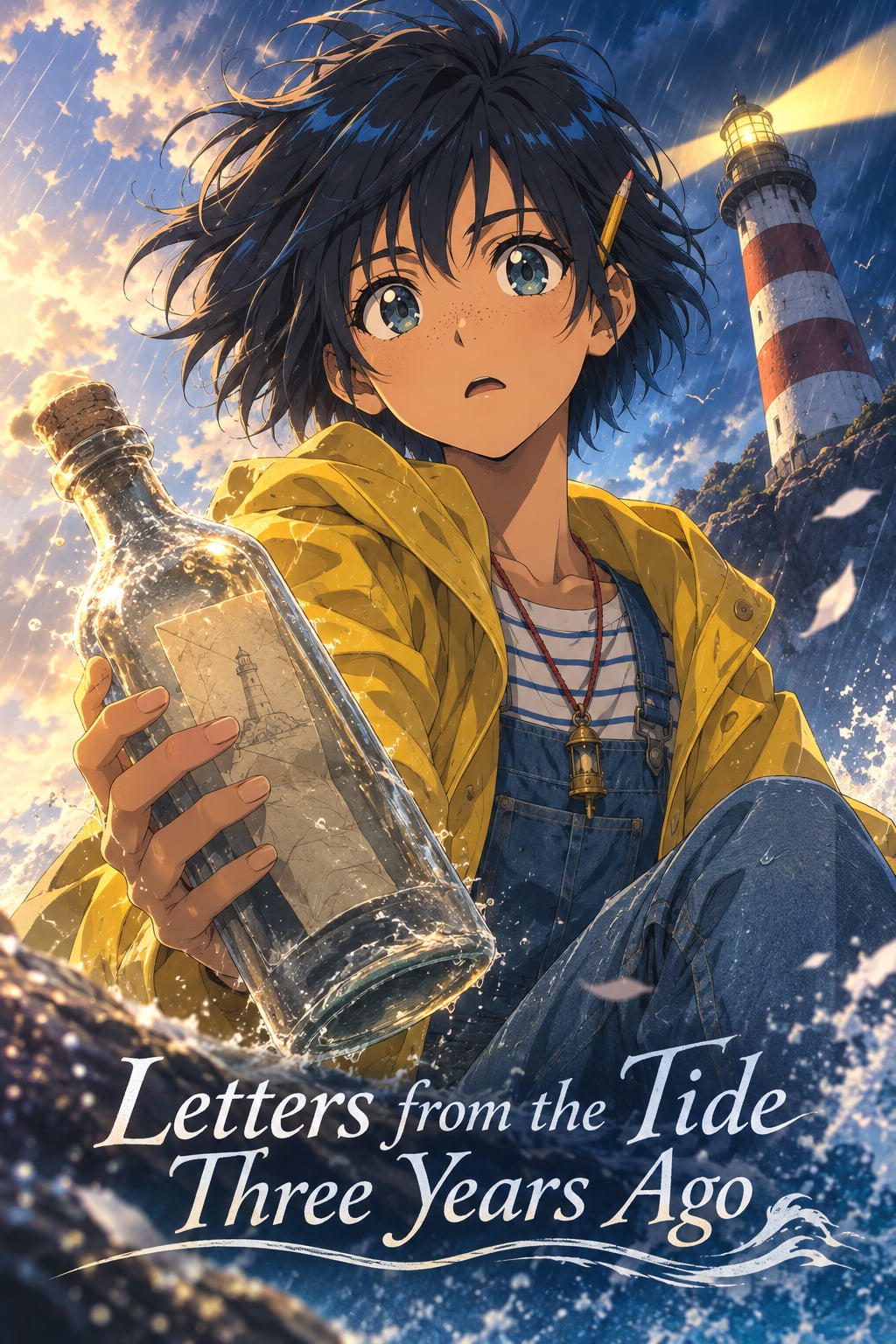
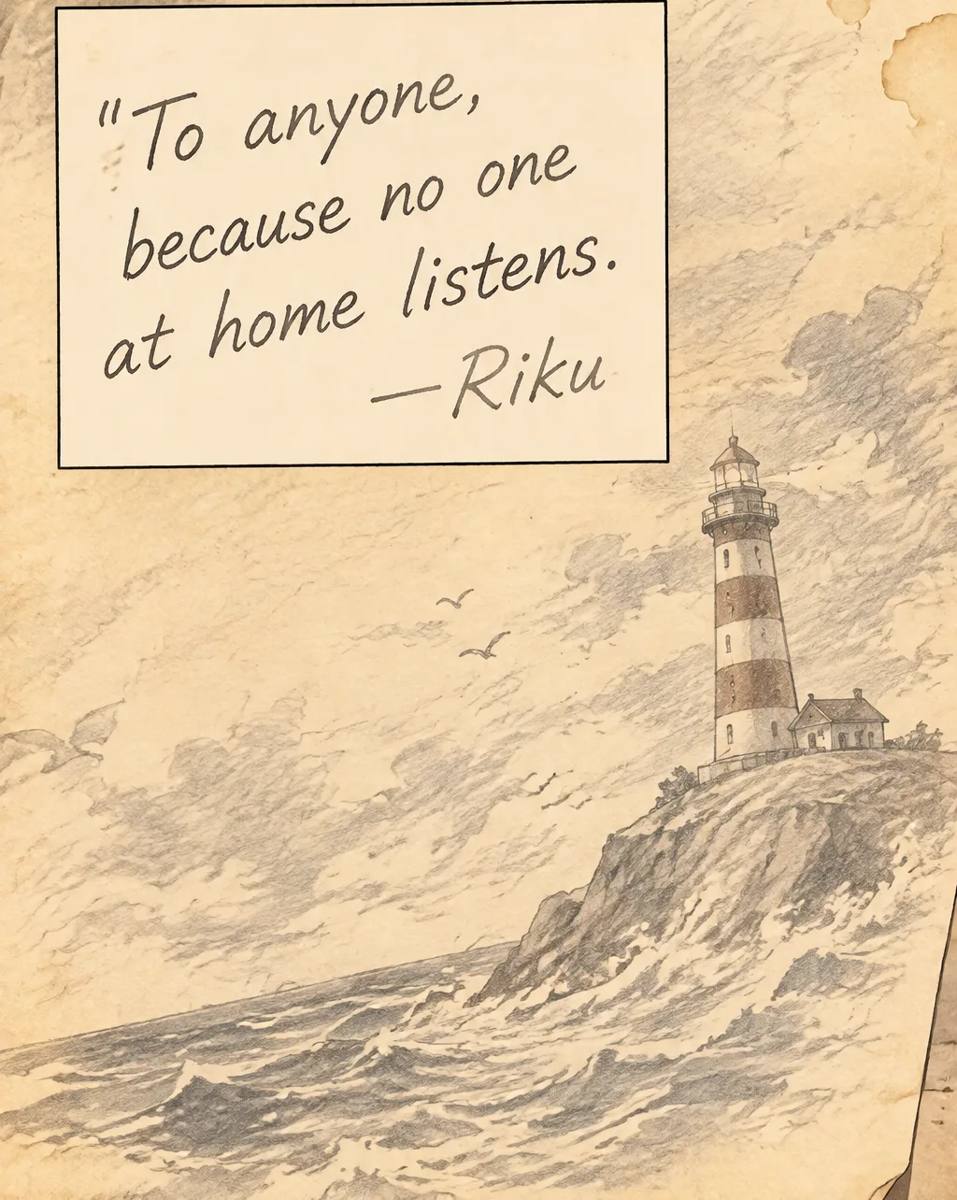
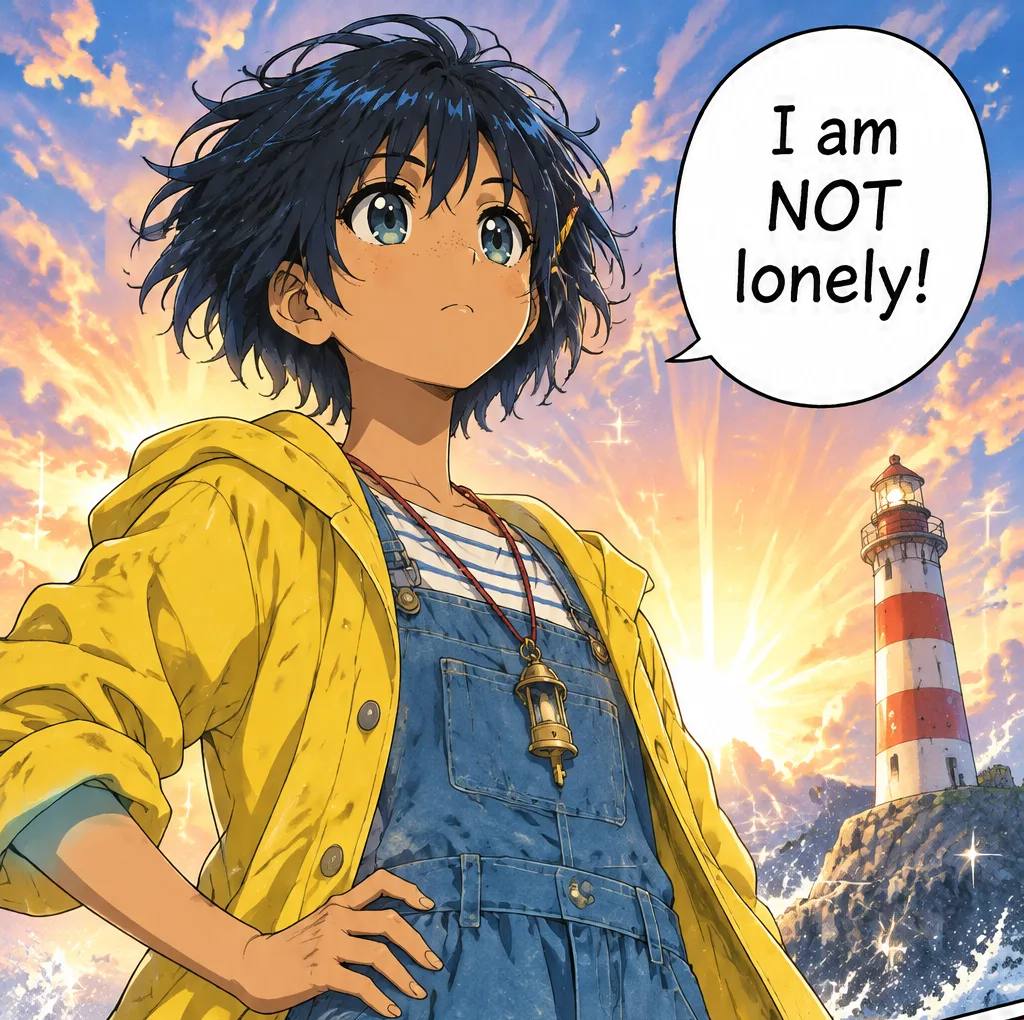
On a tiny island with one supply boat a week, 18-year-old Nagi Shirase keeps her late father's lighthouse burning alone. One stormy morning she pries a bottle from the rocks. Inside is a letter from a boy named Riku, writing to "anyone" because no one at home listens.
Nagi writes back. Replies wash up. And then she checks the dates: every letter Riku sent was written three years ago.
This one flips the trope on its head. Nagi and Riku haven't lost each other yet. They've never even met. But the story is built on the same raw material: a message that may arrive too late. Instead of asking "can we fix what happened?", it asks "can I reach you before it happens?" It's a second chance aimed at the past, and if that doesn't make your chest hurt, check your pulse.
The first letter: a lighthouse sketch, and one line that a lonely lighthouse keeper can't ignore.
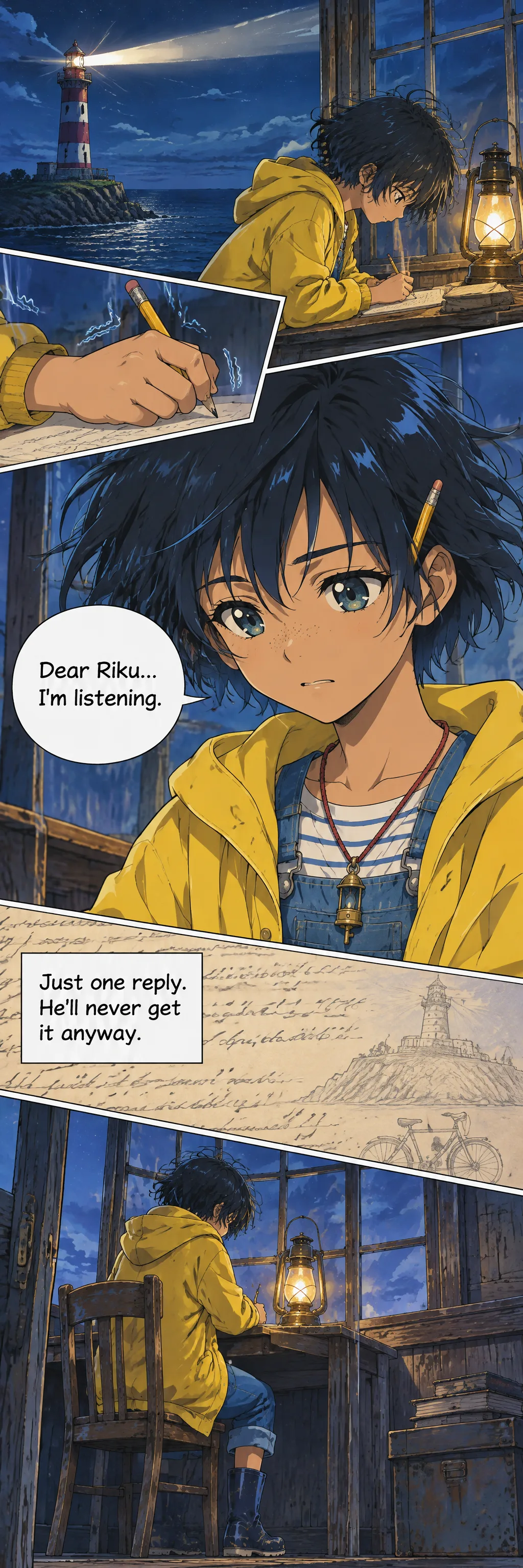
The art leans into the loneliness. Episode 1 is all indigo storms and lamplight, with Nagi's canary-yellow raincoat the only warm thing for miles. She insists she isn't lonely (a chibi sweat-drop gag disagrees), then sits down that night under the sweeping beam to answer a stranger.
Dear Riku... I'm listening. One of the gentlest pages on Toonor.
“Just one reply. He'll never get it anyway.
— Nagi Shirase, episode 1
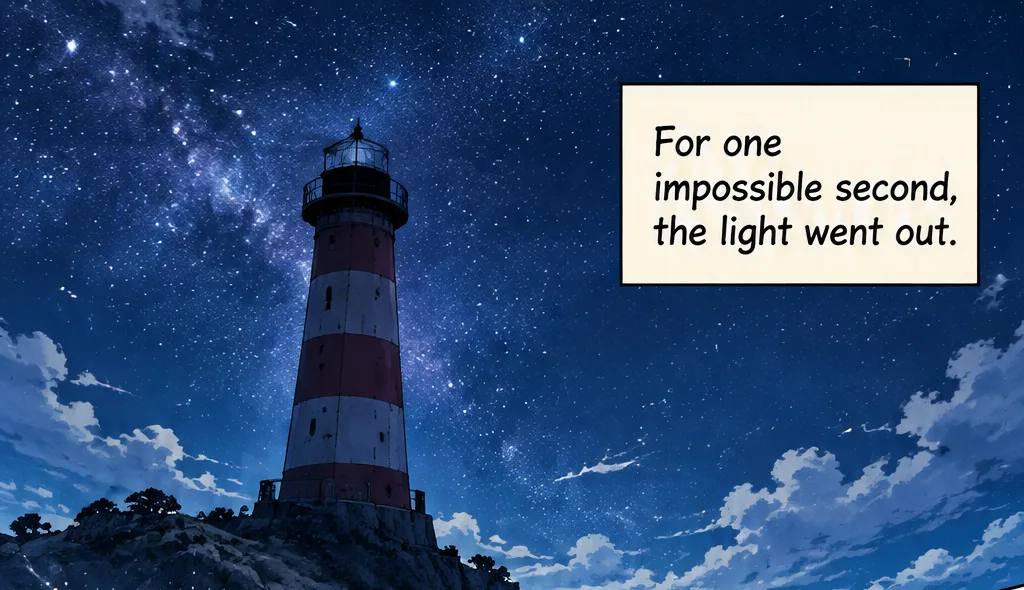
The episode 1 hook: the bottle vanishes into the waves, and a lamp that never goes dark goes dark.
Later in the premise, things get heavier: Riku sends sketches of Nagi's lighthouse drawn perfectly, though he swears he's never seen it, and one drawing shows a hospital wristband from a ward that has since closed. Old Man Genzo, the supply-boat captain, recognizes the boy's name and won't say why.
Nagi, the lighthouse keeper in the yellow raincoat. Riku stays offstage in episode 1: we only know him through his letters.
Reunion vs. time-crossed: two flavors of the ache#
The Letter in the Time Capsule
▸ Ten years apart, same hometown
▸ The letter was sent, but never received
▸ Mystery: who took it, and why?
▸ Mood: summer festivals and old friends with secrets
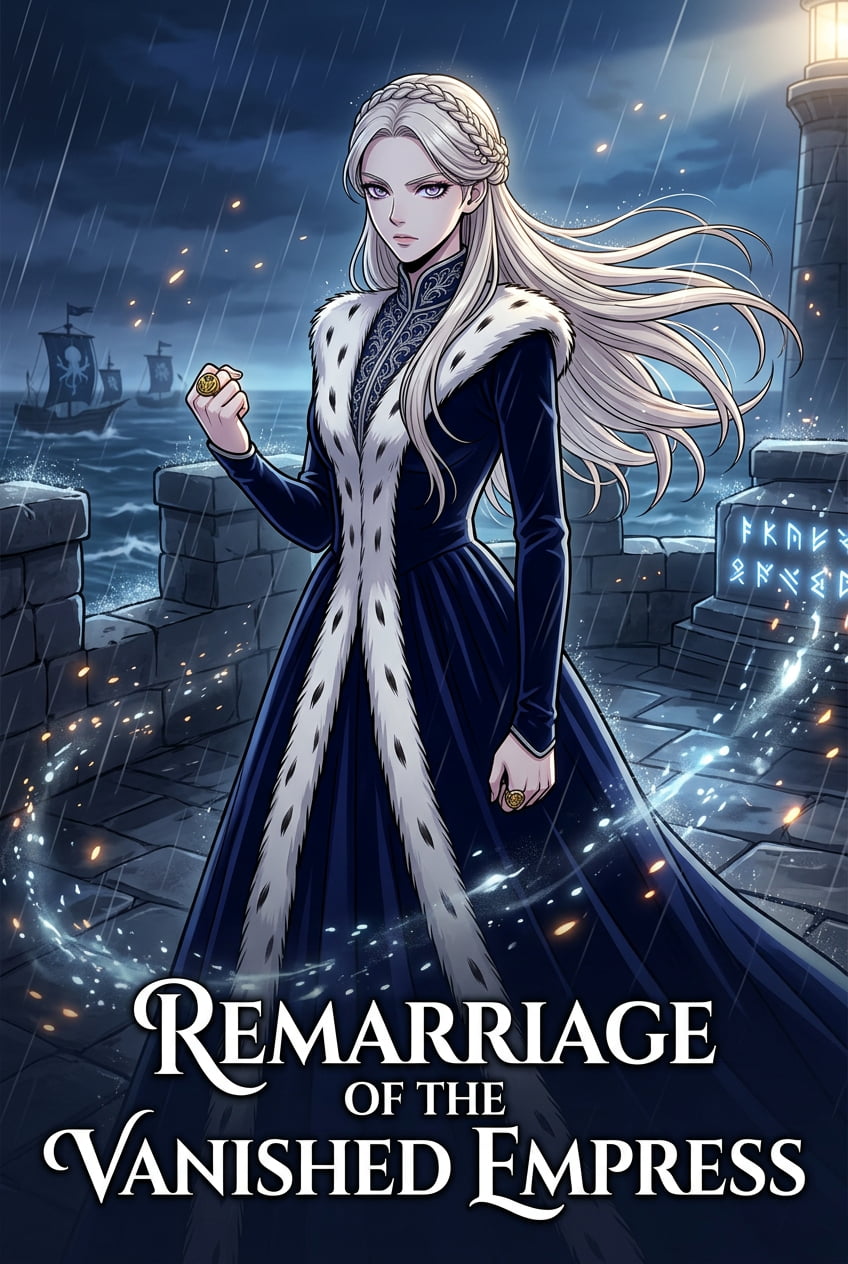
Second chances aren't only for first loves. If you like your reunion with more steel and less summer nostalgia, try Remarriage of the Vanished Empress. After a decade running the empire behind her husband's throne, Empress Seraphine is cast aside for his mistress, and she answers with a pact-marriage to a rival empire's exiled prince. It's a second chance at love, and at power, that starts the moment the first marriage ends.
Second-chance stories let us live out a fantasy almost everyone has: if I could just explain. The rejection that had a reason. The message that got lost. The person we think about on rainy nights. These comics give that what-if a shape, and then make us wait, deliciously, for the answer.
It's a love story about two people who already had their shot and missed it, through a rejection, a breakup, a misunderstanding or plain bad timing. The story brings them back together and asks whether they can get it right this time.
Why do readers love second-chance romance manhwa?
Because the couple starts with history. Every glance carries years of what-ifs, and the big question isn't just whether they'll fall in love, but what really went wrong the first time.
Is a reunion romance the same as a second-chance romance?
Mostly, yes. A reunion romance is the most common kind of second chance: the leads meet again after years apart, often at a class reunion or on a trip back to their hometown.
 Reading List
 Reading List
 Reading List