A hero dies and wakes up somewhere else. But is it isekai, reincarnation or regression? Fans swap the three words constantly, and the difference matters: it tells you what kind of story you're about to read. Here's the clear answer to isekai vs regression (and where reincarnation fits), with art, a cheat-sheet table and a quick flowchart.
Key takeaways
1Isekai: the character is transported or reborn into another world.
2Reincarnation / transmigration: the character is reborn as someone else, often a character in a novel.
3Regression: the character goes back in time to their own past, keeping their memories.
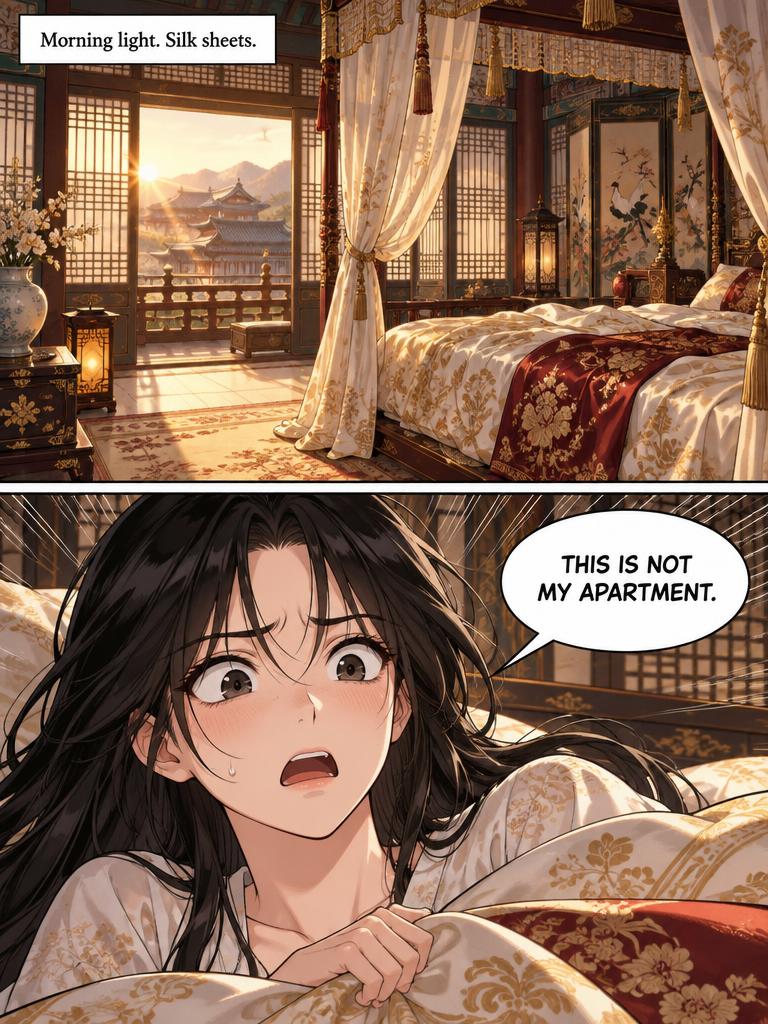
Isekai is Japanese for "another world", and that's the whole definition. A character from our world, or any ordinary world, ends up in a different one. Sometimes they're transported body and all, through a portal or a summoning circle. Sometimes they die and are reborn there as a baby or a stranger. Either way, the hook is the fish-out-of-water moment: silk where there should be cotton, a palace where there should be a studio flat.
The classic isekai wake-up, from Toonor's demo art: morning light, silk sheets and one very confused modern woman.
What isekai gives readers is outsider eyes. The hero notices everything the locals take for granted, which makes worldbuilding feel like discovery instead of a lecture. The big question is simple: how do I survive here, and can I ever go home?
Reincarnation and transmigration: a new life, a borrowed face#
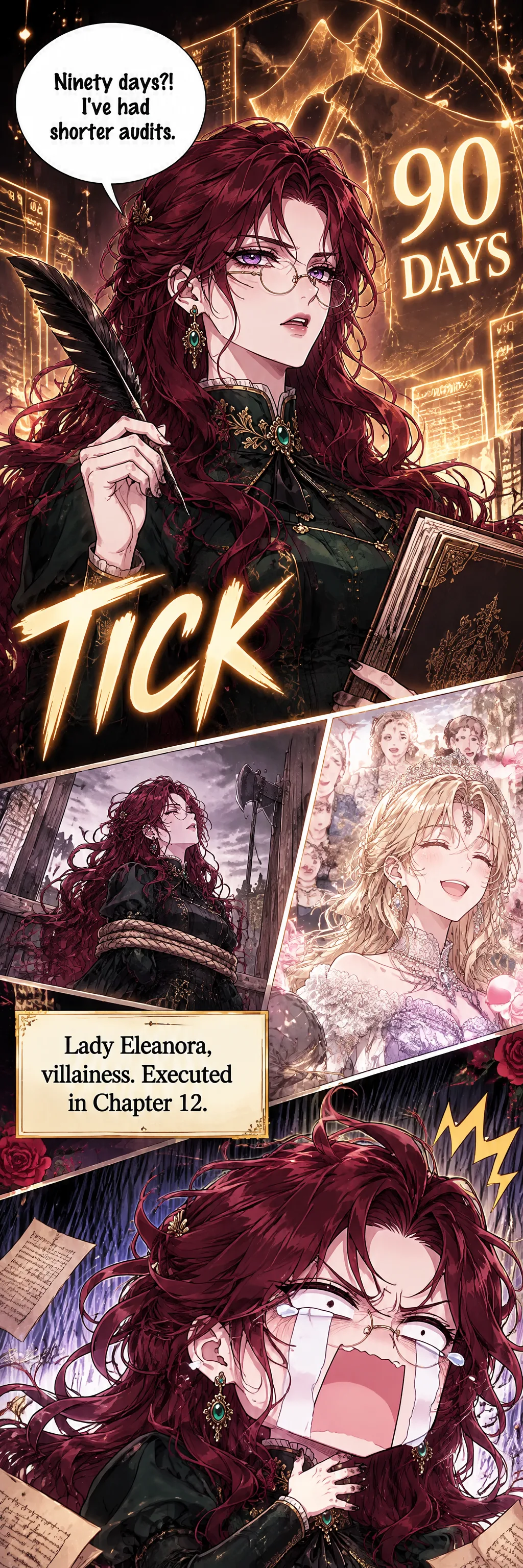
Reincarnation means being reborn as someone else. In romance fantasy, the most popular flavour is transmigration, or possession: the heroine's soul lands in the body of a character who already exists, very often a character in a novel she has read. She doesn't get a blank slate. She gets a name, a reputation, enemies and, usually, a terrible ending.
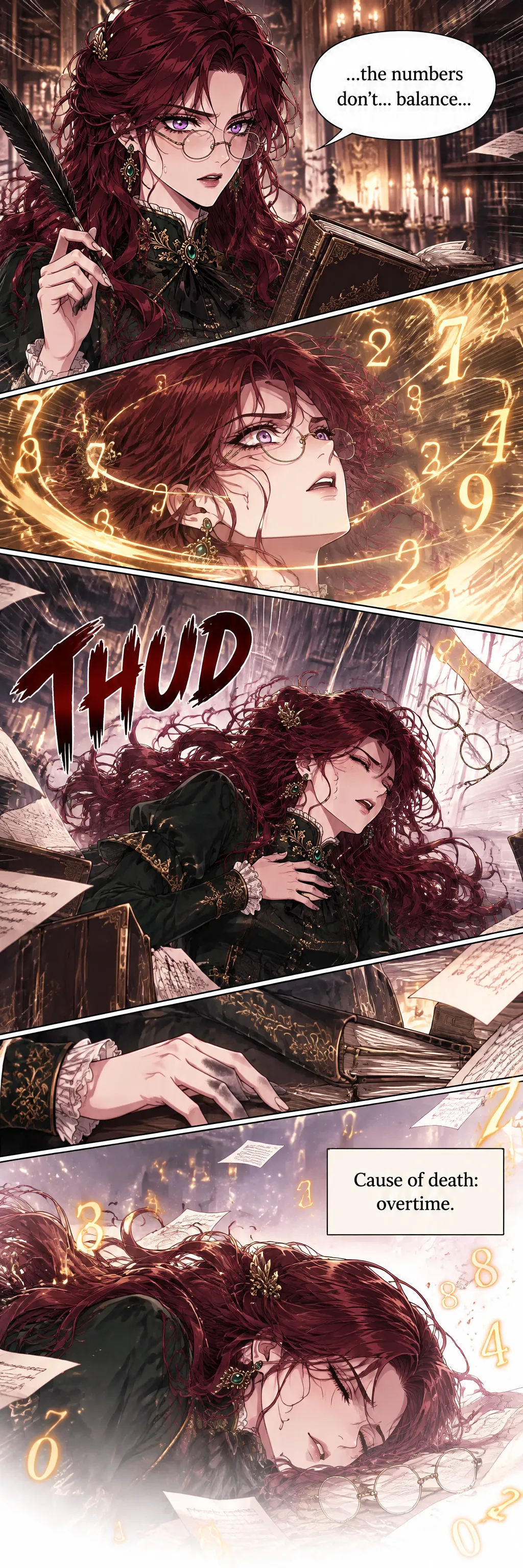
That's exactly what happens in The Villainess Audits the Dragon Duke. Elena Moreau, a corporate tax auditor, works herself to death over a midnight audit, muttering a one-star review of a trashy romance novel. She wakes up as Lady Eleanora, that novel's hated villainess.
Episode 1 of The Villainess Audits the Dragon Duke: a death, a borrowed face, and a novel's ending counting down.
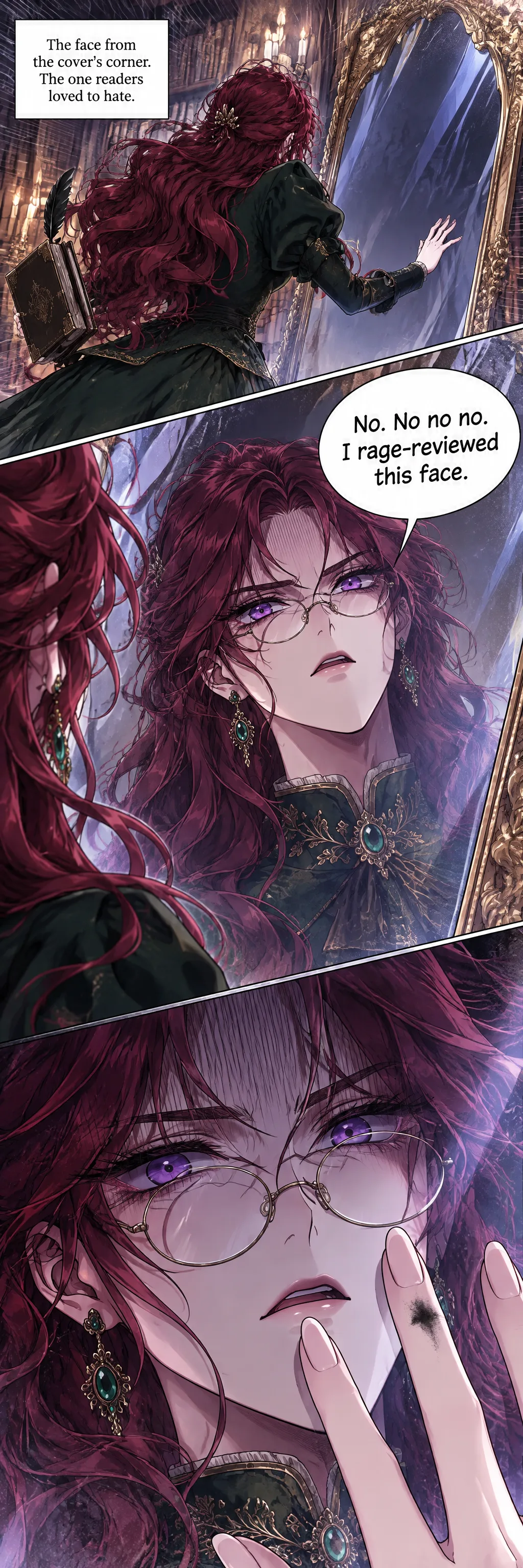
Elena, now Lady EleanoraNo. No no no. I rage-reviewed this face.
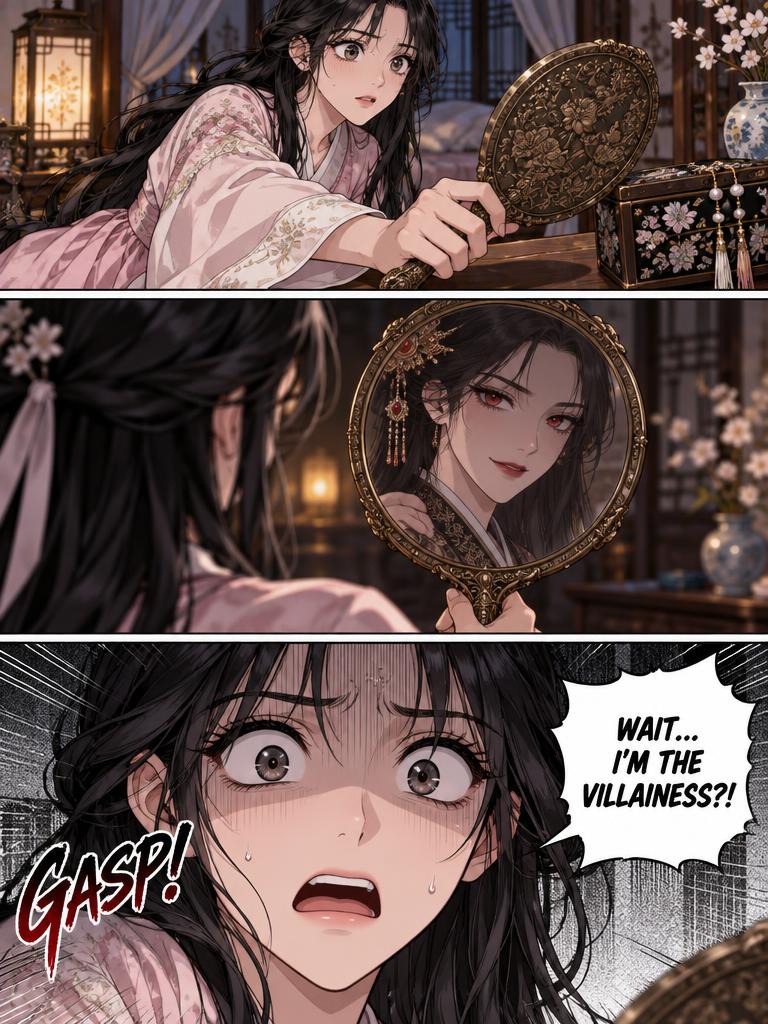
Notice what makes this reincarnation rather than regression: the face in the mirror isn't hers. She has someone else's life, someone else's trial date, and knowledge of a plot nobody around her has read. Since she's also in a different world, fans happily file stories like this under isekai too. The labels overlap, and that's fine.
Toonor's demo art captures the same beat: the reflection isn't who she expected.
If this is your favourite flavour, our guide to what a villainess story is goes deep on the execution deadlines, original heroines and rewritten endings that come with it.
Regression doesn't change the world or the body. It changes the time. The hero dies, or fails, and wakes up at an earlier point in their own life with every memory of what came after. Their "superpower" is knowing the future: which ally betrays them, which battle goes wrong, which door hides treasure.
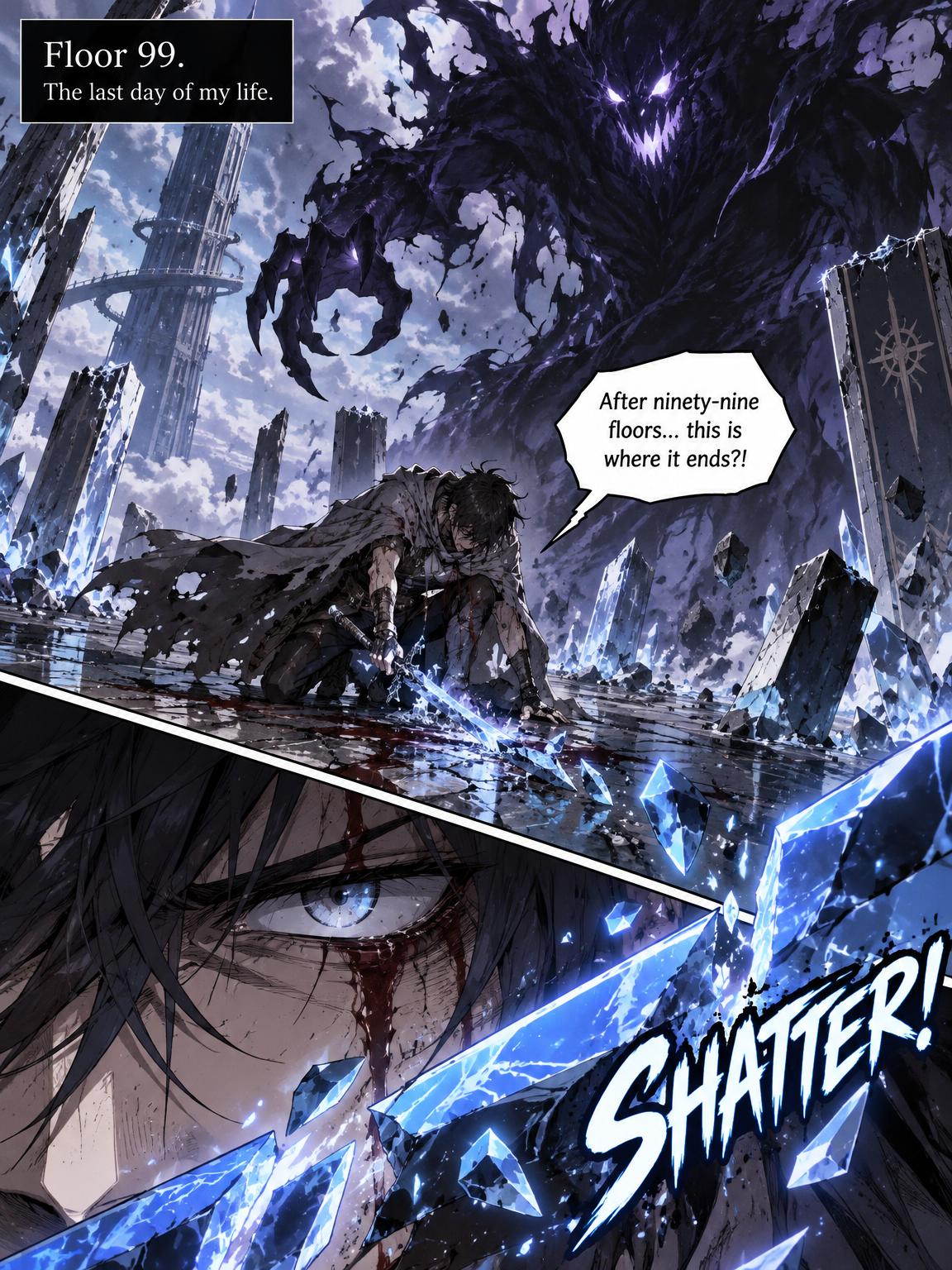
Toonor's tower demo art (an illustrative example, not a series you can read) shows the whole shape in two pages. First, the ending:
Illustrative example: Floor 99, the last day of his life. His blade shatters before a shadow giant.
GASP!
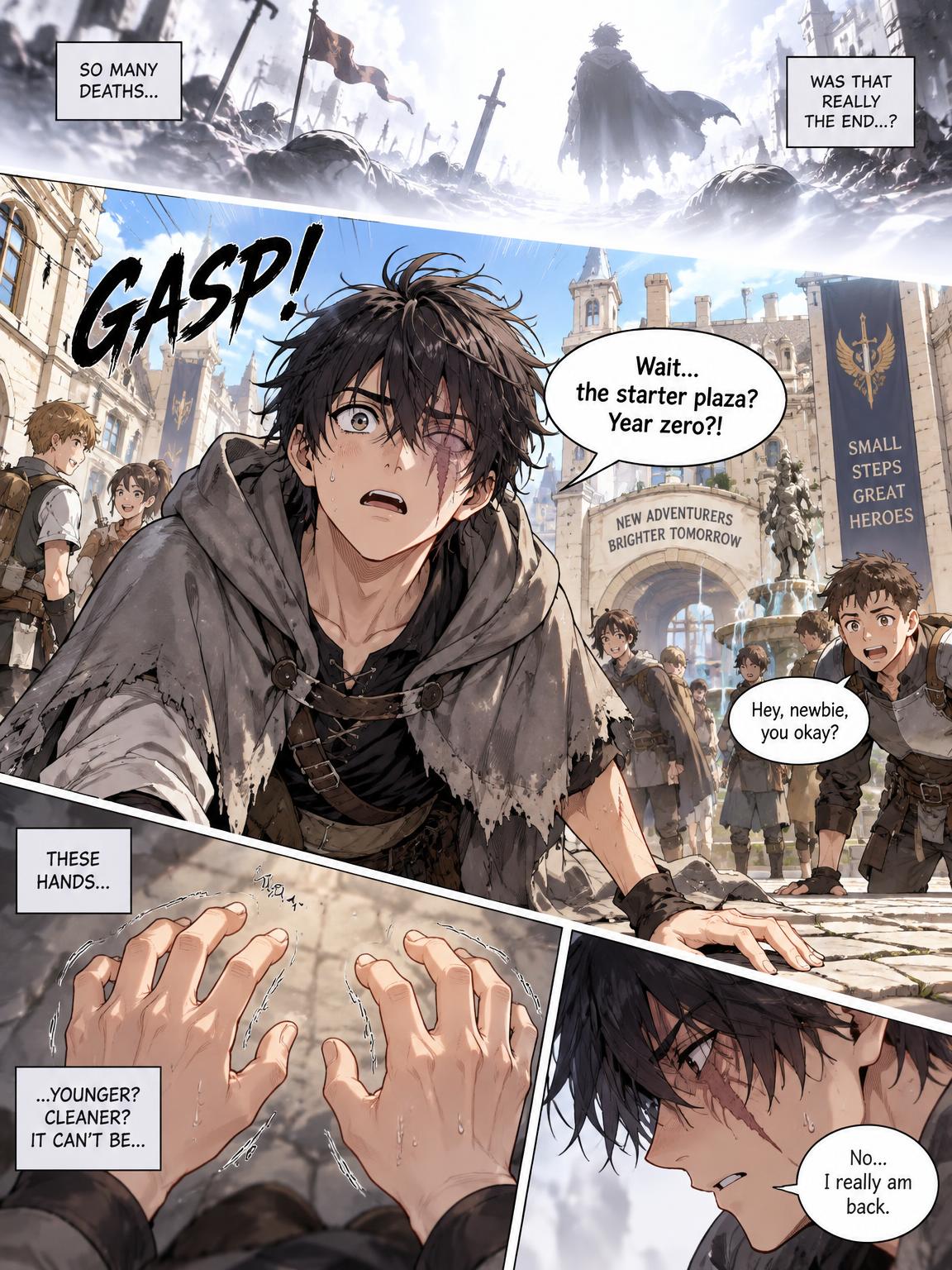
And then he opens his eyes again.
Illustrative example: back in the starter plaza, staring at hands that are suddenly younger. Same man, same world, earlier timeline.
“No... I really am back.
— the climber, demo art
That's pure regression: no new world, no borrowed body, just a second run at his own story. We break this down further in our tower climber and regression guide.
Isekai vs regression vs reincarnation: the cheat sheet#
Here's the comparison at a glance. Real stories mix these freely, but each label points at a different core twist.
Isekai, reincarnation and regression at a glance
Isekai
Reincarnation / transmigration
Regression
What happens
Transported or reborn into another world
Reborn as someone else, or wakes in another person's body
Sent back in time to an earlier point in their own life
Not sure what you're reading? Run the opening chapter through this flowchart.
1
Did they go back in time inside their own life?
If they wake up younger, in their own body and their own world, with memories of the future: regression. Stop here.
2
Are they now someone else?
A different face in the mirror, a different name, someone else's family? That's reincarnation or transmigration. If that someone is a character in a book they read, it's the "possessed a novel character" sub-type.
3
Is it a different world from the one they came from?
If yes, it's also isekai. Transported body and all, or reborn there: both count.
4
Yes to more than one?
Welcome to the hybrids. A heroine reborn into a novel is reincarnation and isekai. A story where she then dies and restarts her new life adds regression on top. Use every label that fits.
The one-line test
Ask "what changed?" The world changed: isekai. The person changed: reincarnation. The clock changed: regression.
All three share a single engine: a character who knows more than they should. The isekai hero knows modern life, the transmigrator knows the plot, the regressor knows the future. That gap between what the hero knows and what everyone else knows is pure dramatic irony, and it's why readers can't stop scrolling.
Because the engine is shared, writers love to stack them. Romance fantasy is full of heroines who are reborn into a novel and then use what they remember to dodge a scripted death. The labels are tools for finding your next read, not boxes a story has to fit.
Demo art for each shape: an isekai wake-up, a borrowed face in the mirror, and a regressor's death and second start.
Ninety days to live, one bankrupt dragon, and a ledger that doesn't lie.
Reincarnation
Villainess
Contract Marriage
Romance
A tax auditor wakes up as a doomed villainess with 90 days until her execution. Her only lead is a footnote from Volume 3: the feared dragon duke is secretly going broke. So she proposes a contract marriage, run like a financial restructuring. Reincarnation into a novel, done with spreadsheets and sparks.
What is the difference between isekai and regression?
Isekai moves a character into a different world. Regression keeps them in their own world but sends them back in time to an earlier point in their own life, with their memories of the future intact.
Is reincarnation the same as isekai?
Not always. Reincarnation means being reborn as someone else. When that new life is in another world, or inside a novel or game, fans count it as isekai too; when it happens in the same world, it's reincarnation without the isekai part.
What does transmigration mean in manhwa?
Transmigration usually means a person's soul ends up in someone else's body, very often a character in a novel they read. It's why so many heroines wake up as a doomed villainess who already has a name, a history and a bad ending.