A signed contract. A mirror showing the wrong face. A ribbon tied to the wrong tree. Romance manhwa tropes are the shorthand fans use to say exactly what kind of heartache they're in the mood for, and this illustrated dictionary decodes seventeen of them, each with a Toonor comic that shows it in action.
Tropes aren't clichés. They're promises. When a story says “contract marriage,” you know the feelings will arrive before the paperwork expires. When it says “slow burn,” you know to settle in. Here's the glossary, grouped by the kind of story you're after.
Vertical comics lean on tropes even harder than prose romance. A reader deciding what to open next sees a cover, a title and a handful of tags, so a familiar setup is the fastest way to say “this one's for you.” The magic is in what each series does after the setup, and that's what every entry below points to: a real panel, a real moment, and a story you can start tonight.
Relationship setups: the romance manhwa tropes that start it all#
These are the engines: the reason two people keep ending up in the same room.
C
Contract Marriage
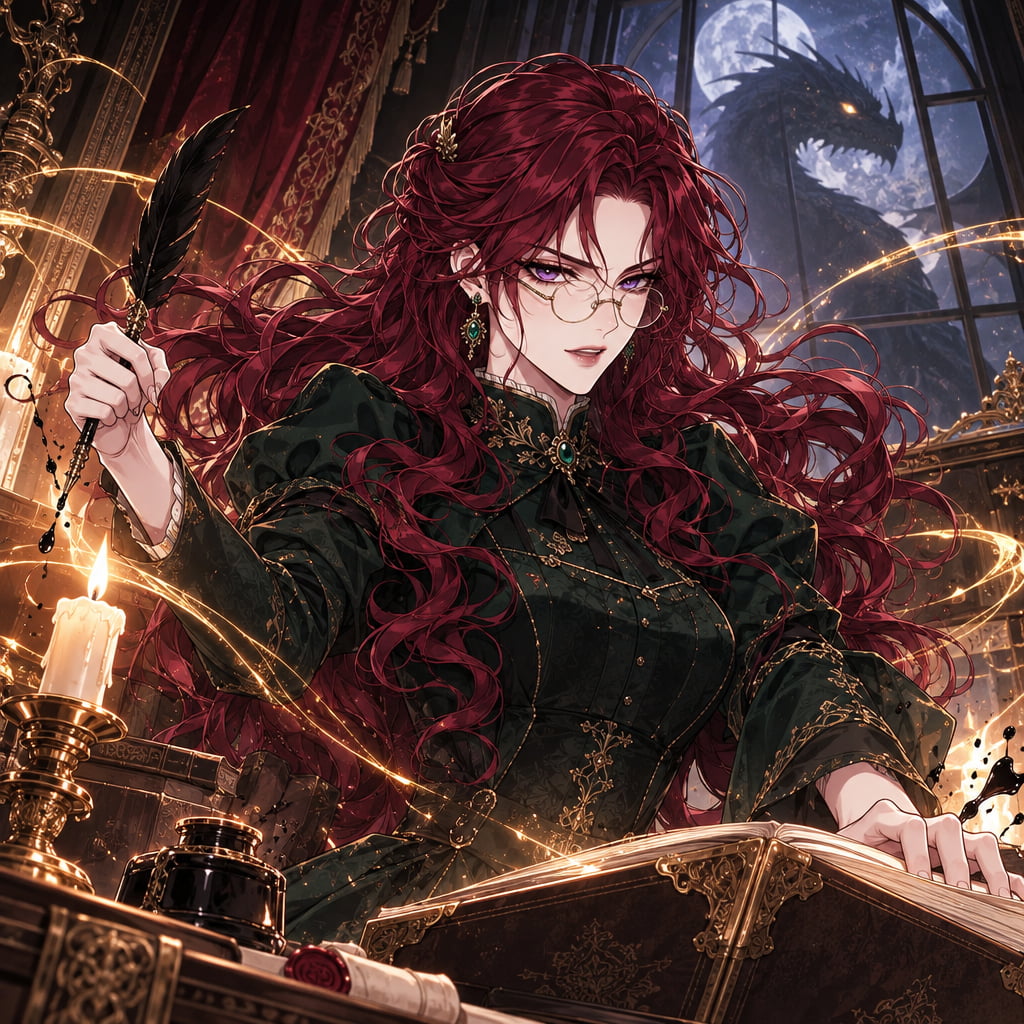
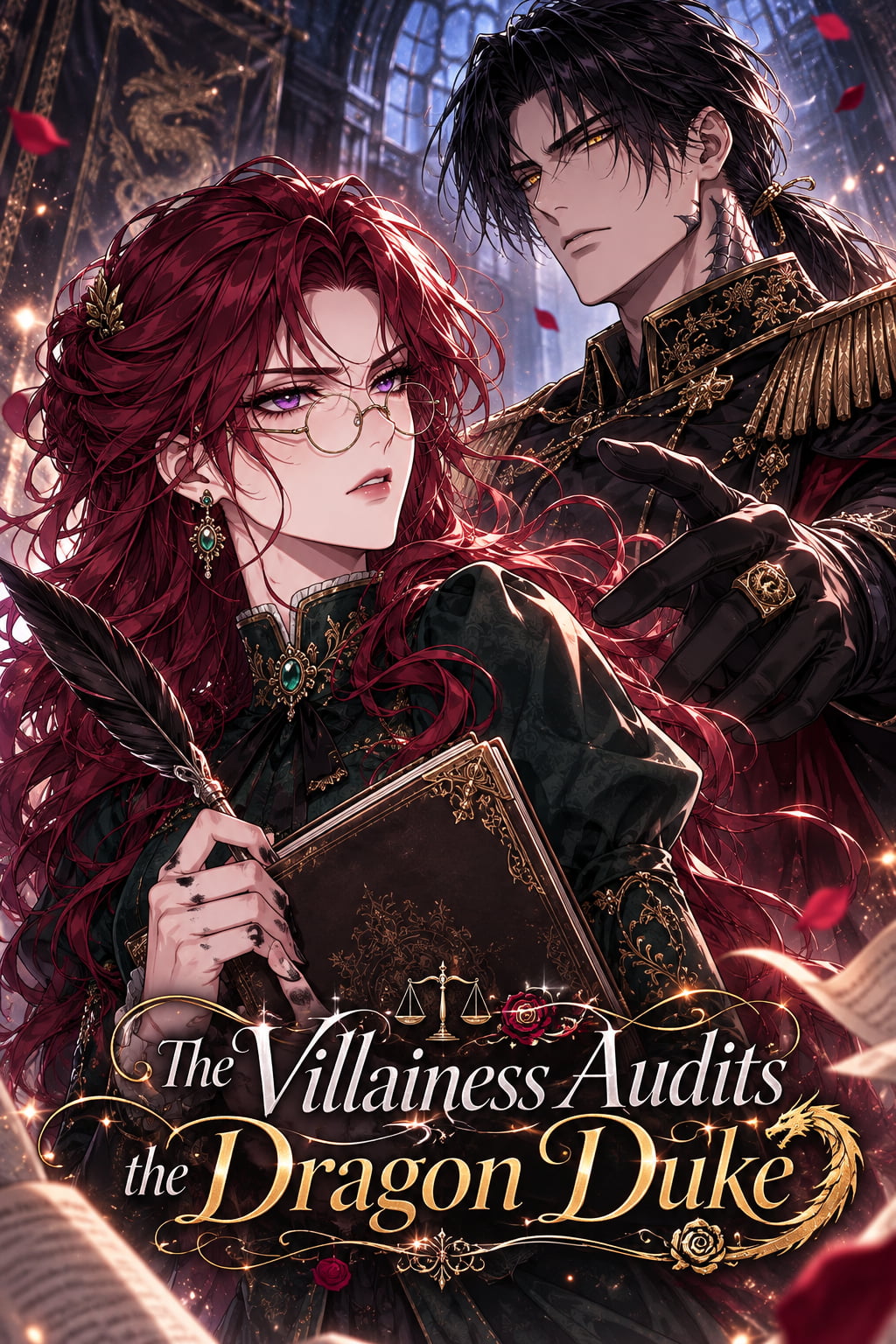
Two people marry for practical reasons, with terms, an end date and a strict “no feelings” clause. The fun is watching every clause fail. In The Villainess Audits the Dragon Duke, a reborn tax auditor marches into a dragon duke's hall with ledgers and proposes a one-year marriage run like a financial restructuring.
Why fans love it: the rules give the couple an excuse to be close long before either can admit they want to be.
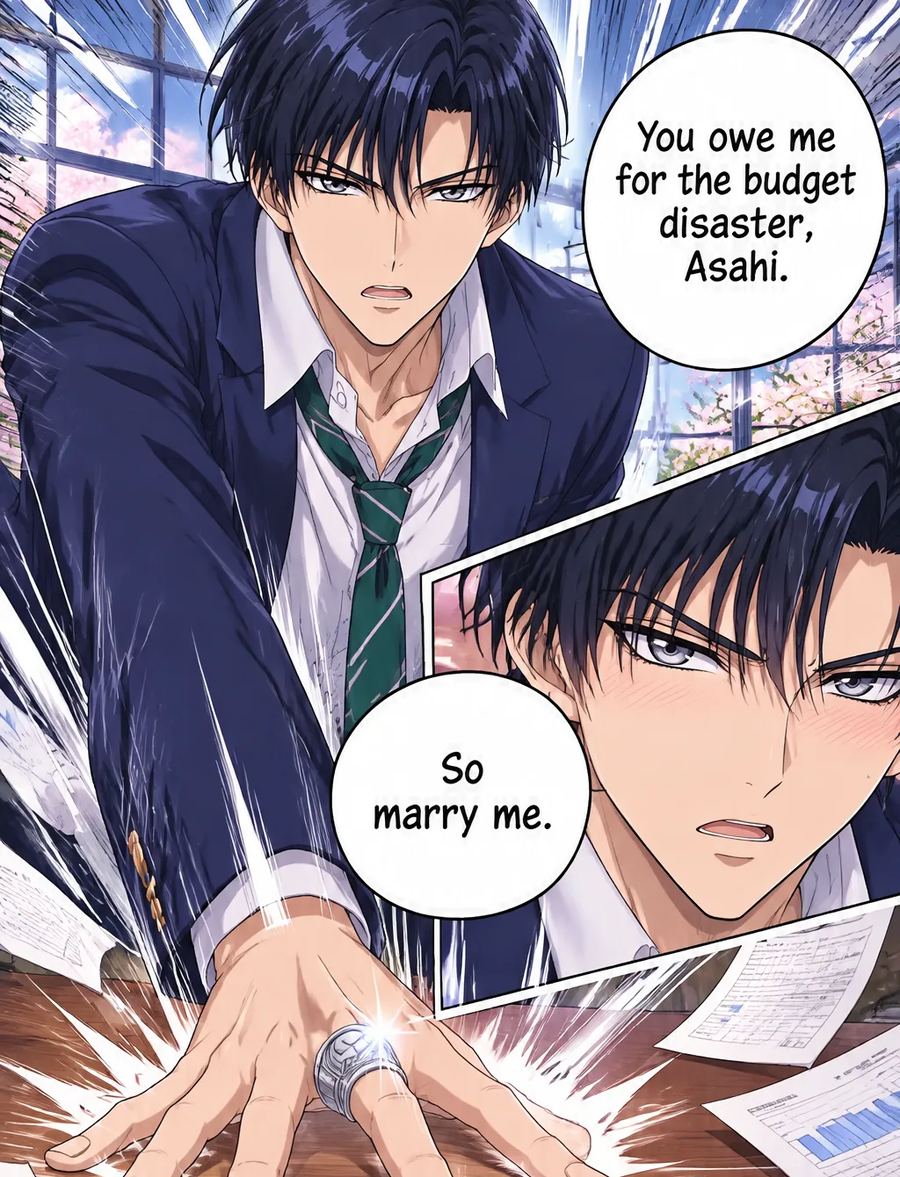
Pretend to be a couple for an audience, then forget where the act ends. Fake Fiancée Scoreboard goes one better with a fake engagement: Haru needs a fiancée for his grandfather's New Year gathering or he forfeits his inheritance, and his proposal is all business.
Why fans love it: every public kiss, held hand and pet name is a performance, until suddenly it isn't.
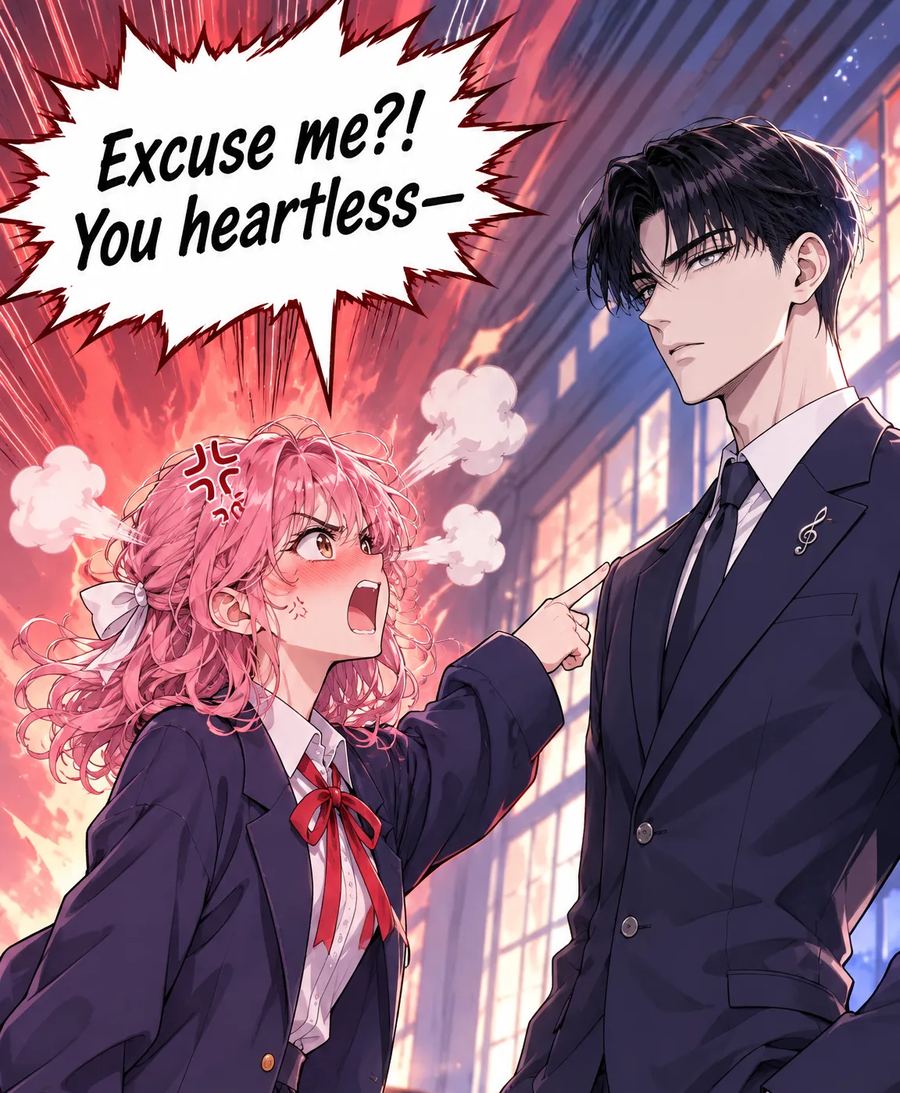
The leads want the same prize and respect each other more than they'll admit. Kotone and Haru have competed since kindergarten, and their lifetime tally is dead even at 1,204 each. Their fake engagement is also a contest: the first to fall in love loses.
Real dislike first, real love later. In Duet of Wrong Notes, genius pianist Leon greets the struggling violinist Sakura by calling her “the one who kills Brahms every Tuesday.” Then their professor pairs them for the national duet competition.
Why fans love it: the insults are fun, but the real payoff is the first time one of them defends the other.
One lead is guarded, the other glows. Snow in July flips the usual roles: Sayo has trained herself to feel nothing, and the sunny storm-chaser who moves in next door, Itsuki, introduces himself with a grin that cracks her calm. (Leon and Sakura in Duet of Wrong Notes play it the classic way round.)
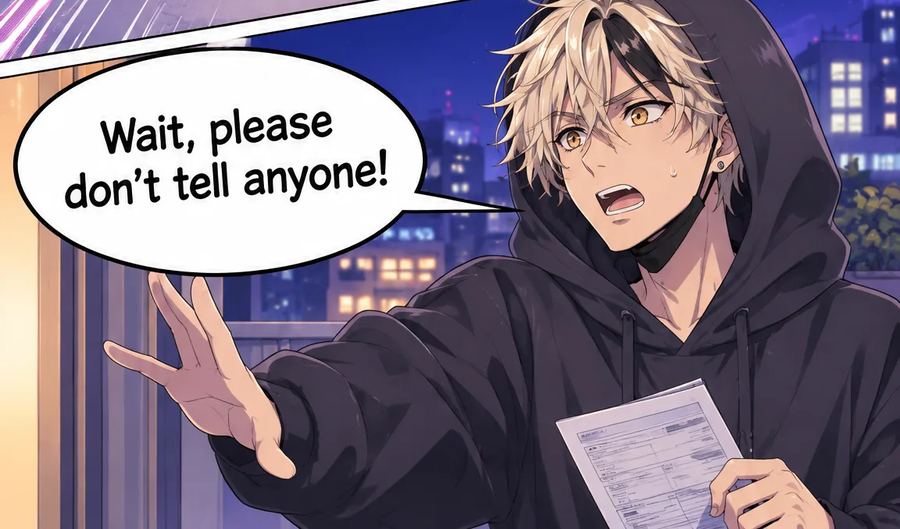
Whatever grows between them has to stay hidden. In Balcony Between Us, Rin secretly tutors her new neighbour Hikaru, the center of chart-topping boy band LUMINA. The contract's rules: Rin tells no one, Hikaru dates no one, and paparazzi lenses are everywhere.
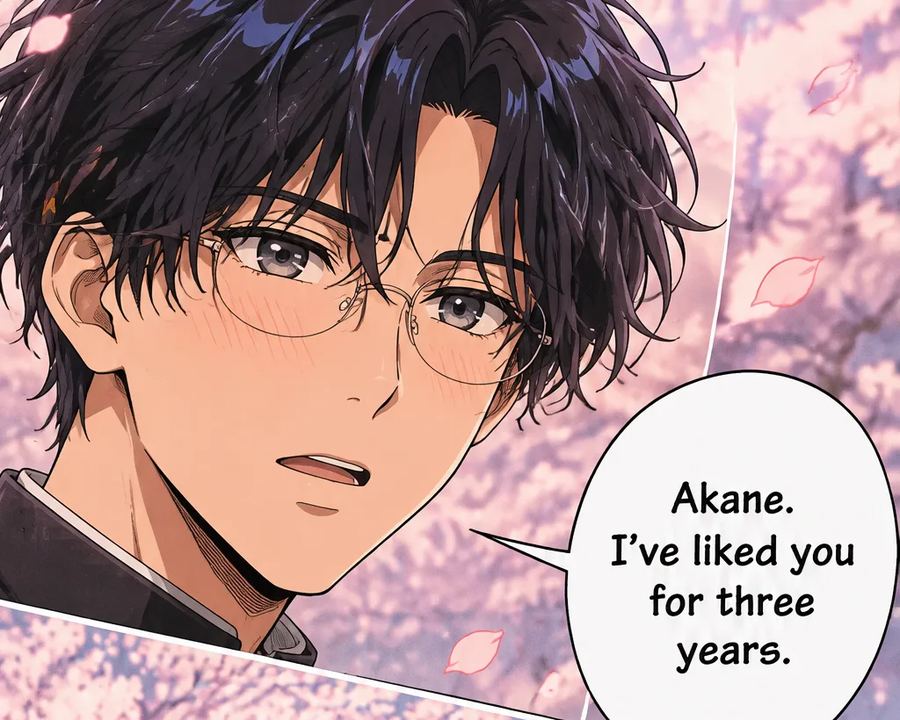
Former loves meet again, older and carrying the reasons it ended. Akane turned down Sota's graduation-day confession and left a letter explaining why. Ten years later, at the class reunion, he tells her he never got any letter.
Why fans love it: the history is already there, so every glance carries ten years of what-ifs.
Palaces, ledgers and novels come to life. This is where romance fantasy lives.
V
Villainess
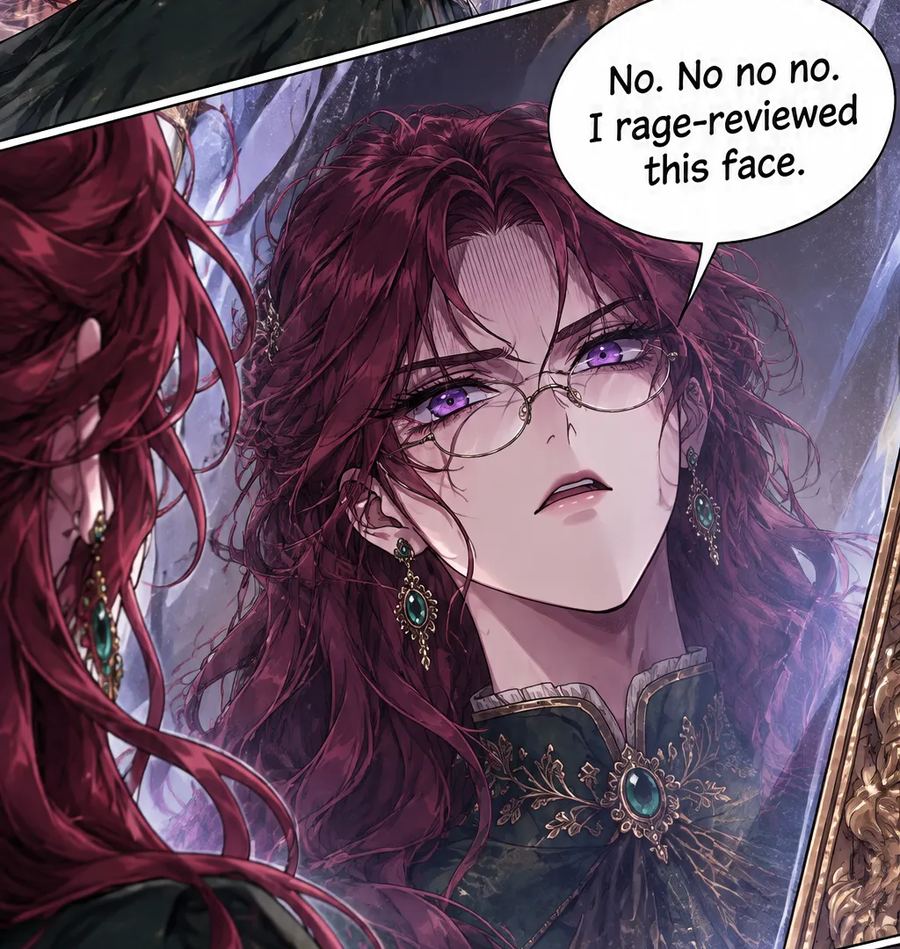
The heroine wakes up as the story's hated antagonist, usually with a terrible ending scheduled. Elena recognises the face in the mirror as Lady Eleanora, the villainess she once rage-reviewed, executed in Chapter 12. Her trial is ninety days away.
Why fans love it: the heroine knows the plot better than anyone, and watching her outsmart her own ending never gets old.
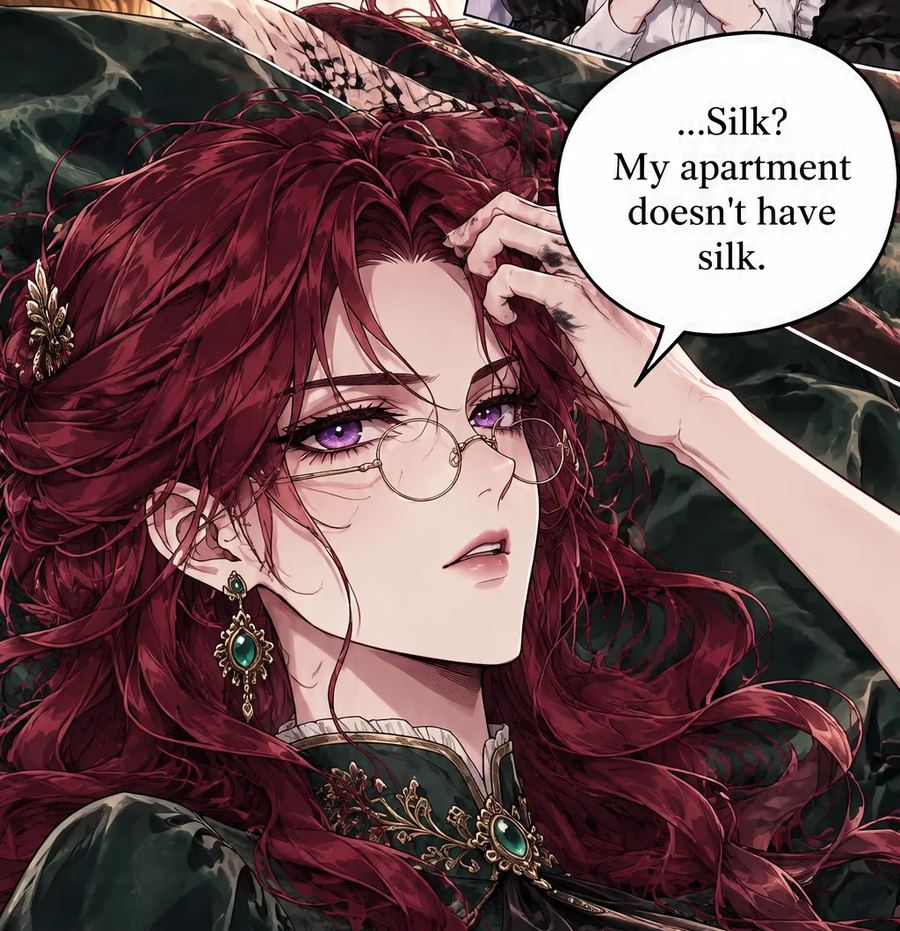
Die in one life, open your eyes in another, usually inside a book, game or palace. Elena collapses over a midnight audit and wakes in silk sheets. Her secret weapon is a footnote from Volume 3 that no one else read.
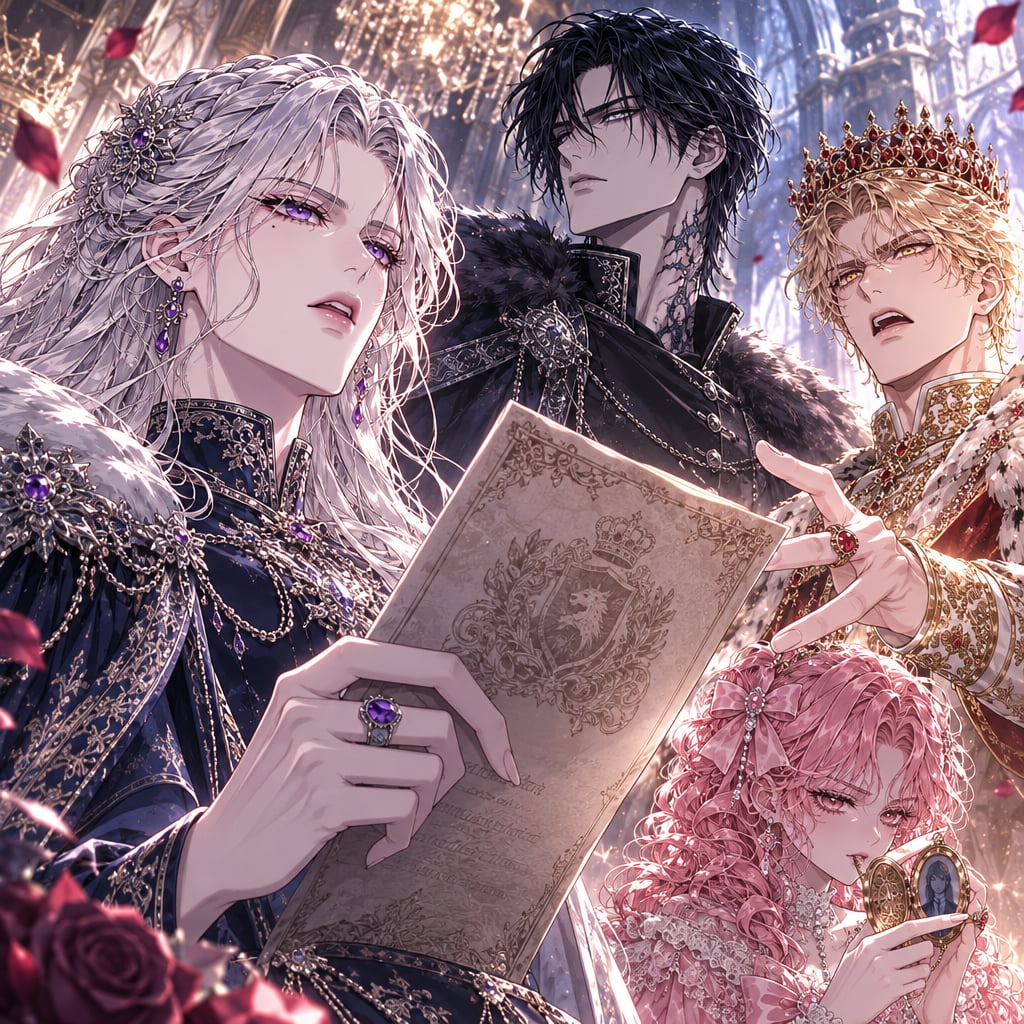
The crown is taken, the husband picks a mistress, and the heroine walks out stronger. In The Empress Who Crossed the Sea, Seraphine signs the divorce papers without a tear, then reveals a marriage pact with Prince Kaelen of Drakmoor, the exiled, rumoured-cursed prince of the rival empire.
When one half of the couple isn't quite human, or the heroine isn't quite ordinary.
F
Fox Spirit Spouse
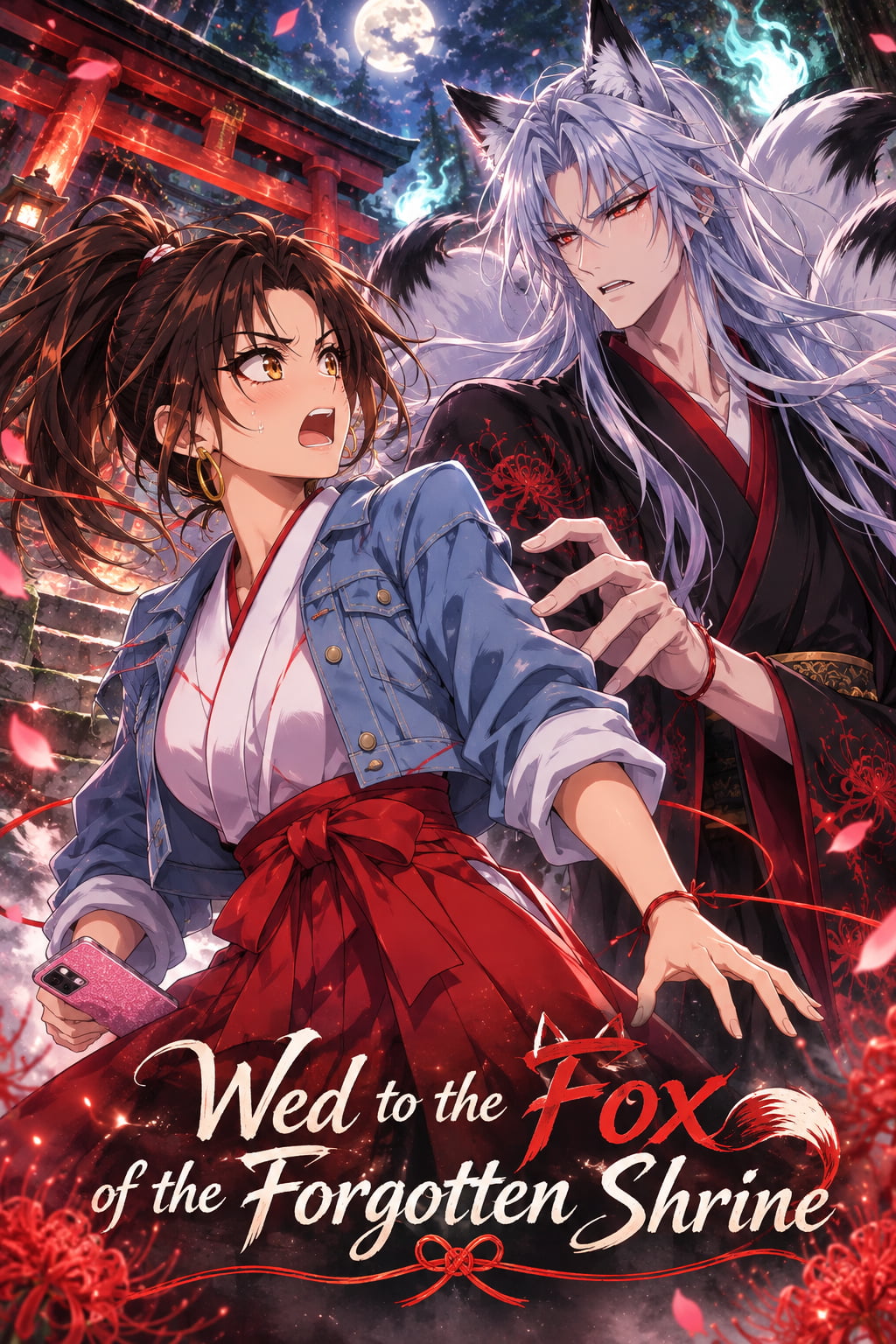
An accidental bond with a spirit who did not ask for a bride. Mei only wants to sell her grandmother's shrine, but she ties a stray red ribbon to the sacred cedar, the bells ring on their own, and a nine-tailed fox demands to know who dared bind herself to him.
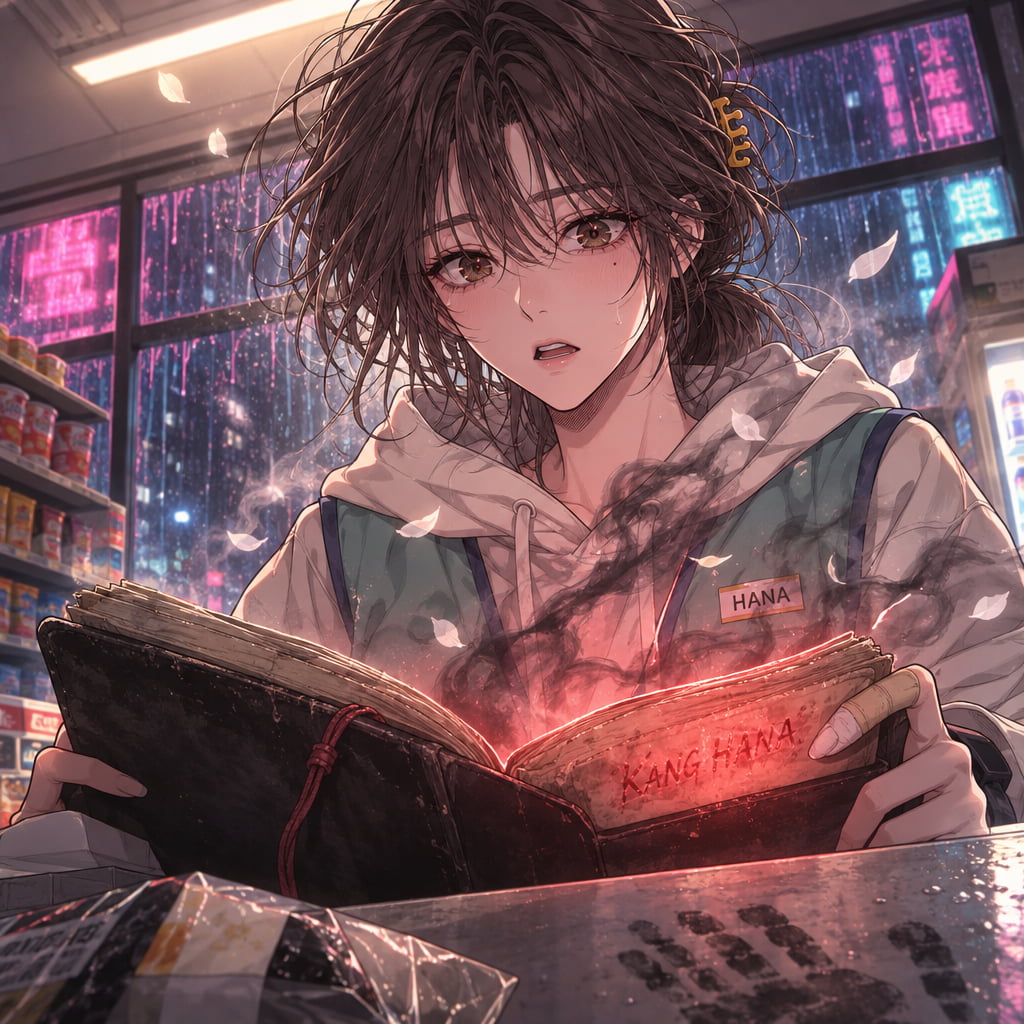
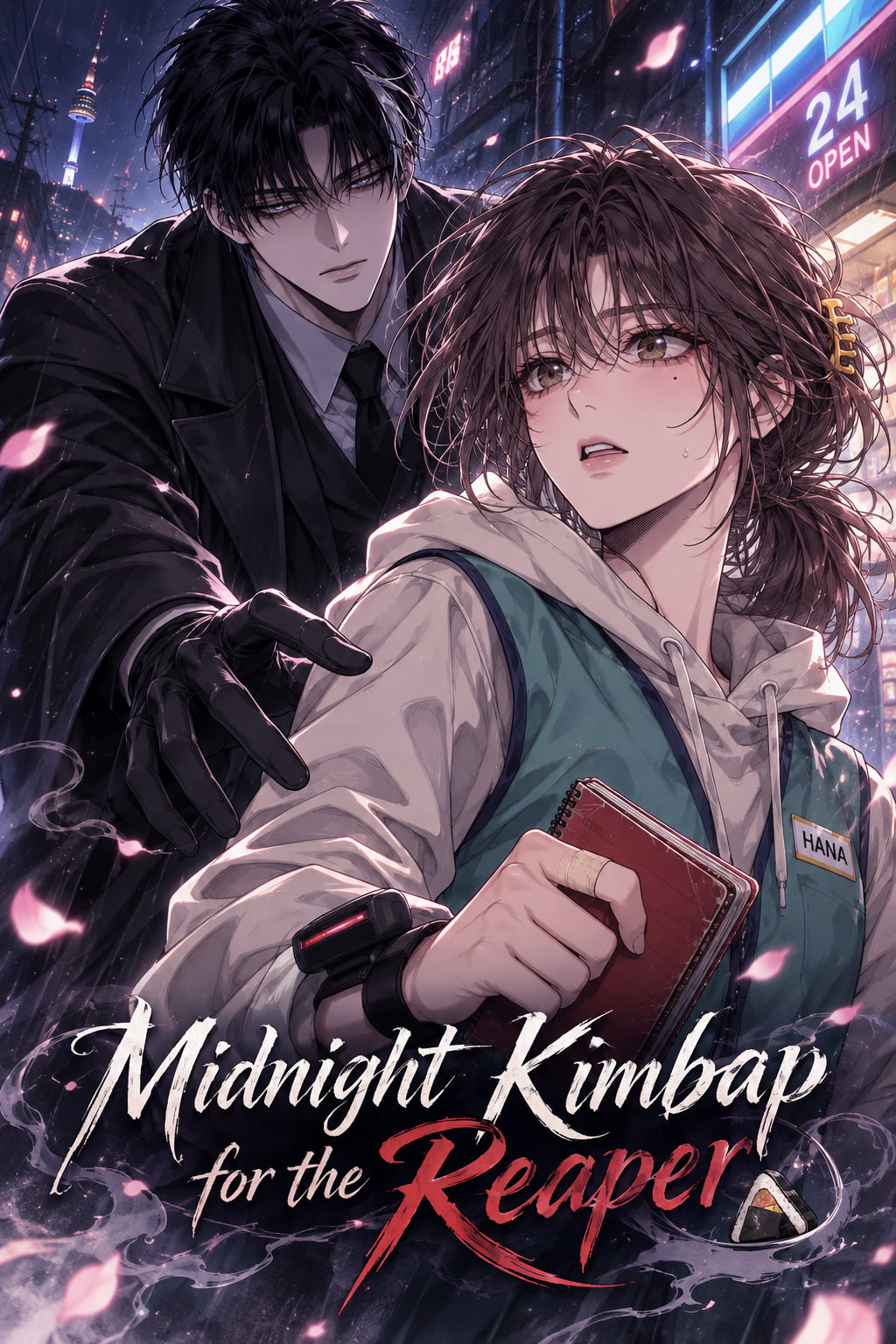
Falling for the one being who isn't supposed to care. In Midnight Kimbap for the Reaper, Hana's quiet regular buys tuna-mayo kimbap at 2:13 a.m. every night. When he leaves his ledger behind, her own name is in it.
A power tied to emotions, which makes falling in love genuinely dangerous. Sayo's heart controls the weather over her mountain town, so she keeps it flat and gray. One look at the new neighbour and it snows. In July.
These tropes shape how a romance feels from page to page, whatever the setting.
S
Slow Burn
Feelings build over many chapters before anyone says them out loud. Hana hears every word ten seconds before it's spoken, so nothing surprises her, until the transfer student next to her says something she never heard coming.
Why fans love it: when the wait is long, a single hand brushing another can feel like a season finale.
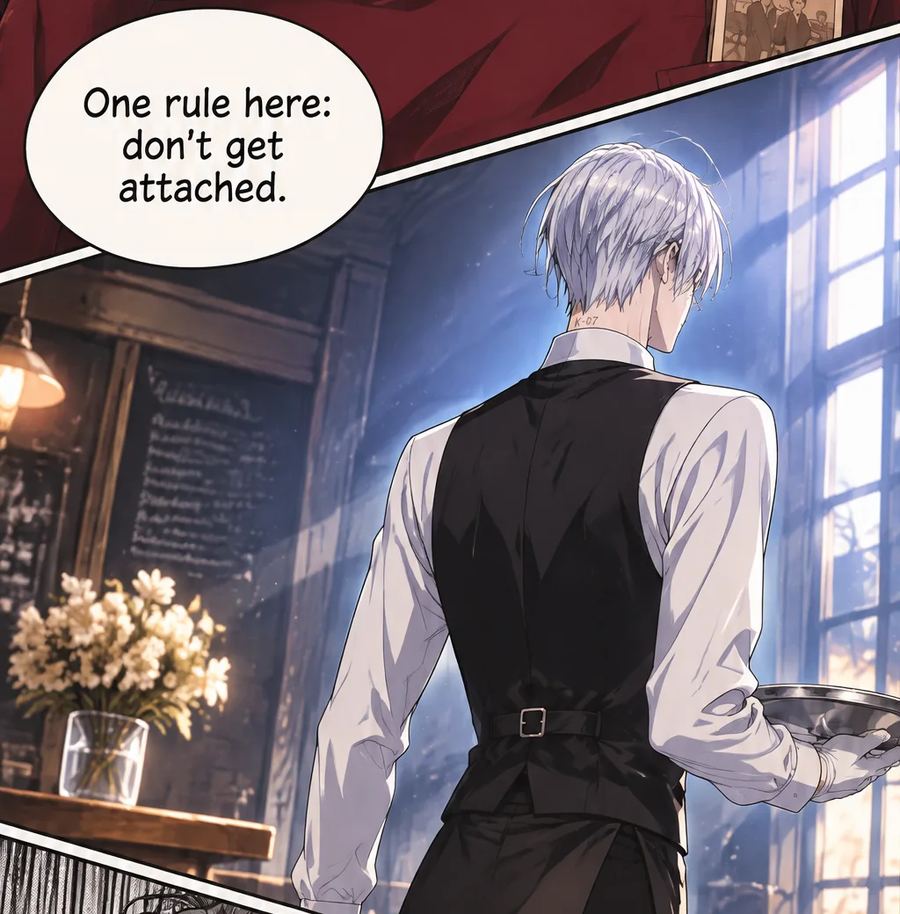
A rule, a contract or the world itself says no. The café's android waiter Kei is due to be memory-wiped and returned when autumn ends, and the manager's only rule is “don't get attached.” Then he starts humming the song Tama only played once.
Lovers who write to each other across a gap in time. Nagi keeps her late father's lighthouse alone and answers a letter in a bottle from a boy named Riku. Then she notices his letters are dated three years ago.
A deadline that makes every scene count. Hana's receipt counter starts at thirty-one days. Elena has ninety days before her trial, and Kei's wipe date is the end of autumn. A clock turns a crush into a race.
The best series combine tropes. The Villainess Audits the Dragon Duke runs villainess, reincarnation and contract marriage at once, and Wed to the Fox of the Forgotten Shrine pairs a fox spirit with an accidental marriage and enemies to lovers.
Contract marriage, the villainess, reincarnation, enemies to lovers, fake dating and slow burn show up again and again. Many favourite stories stack two or three of them, like a villainess who proposes a contract marriage.
What is the difference between enemies to lovers and rivals to lovers?
Enemies to lovers starts with real dislike: the leads think the worst of each other. Rivals to lovers starts with competition, where both want to win the same thing and respect grows out of the fight.
What does slow burn mean in romance comics?
A slow burn takes its time getting the couple together. The story builds tension through small moments, near-misses and growing trust, so the first real confession or kiss lands much harder.
 Myth & Folklore
 Trope Explained