You open your eyes in silk sheets. A maid is crying. The face in the mirror belongs to the most hated character in a romance novel you once read, and she dies in Chapter 12. Welcome to the villainess manhwa, the trope that turned the side character everyone booed into the heroine everyone roots for.
If you've scrolled through romance fantasy comics lately, you've met her: the duke's daughter with the sharp eyes, the expensive gown and the doomed reputation. Here's how the trope works, piece by piece, and why so many of us can't stop reading it.
Key takeaways
1The heroine wakes up inside a story as its villain, usually a novel she has read.
2She knows her doom flag: an execution, an exile or a death date, often on a countdown.
3The original heroine is still out there, and she isn't always as sweet as the book claimed.
4Her plan to change fate drives the plot and, very often, the romance.
Every classic romance needs a rival: the jealous noble lady who schemes against the sweet heroine and gets her comeuppance in the final act. A villainess story flips the camera. Someone from our world wakes up as that rival, with full memory of the original plot. She knows exactly how her story ends, and she has no intention of letting it end that way.
That one twist unlocks everything readers love: dramatic irony, a heroine who is smarter than everyone around her, and a world where the "good" and "bad" labels were written by someone else. The villainess isn't evil. She's just been cast in the wrong role.
Most villainess stories start with a death or a collapse in the modern world, followed by the softest, most suspicious bed the heroine has ever woken up in. It's a reincarnation (or "transmigration") setup: her old life ends, and her mind lands in a body that already has a name, a family and a reputation. If you've ever mixed up the terms, our guide to isekai vs reincarnation vs regression sorts them out.
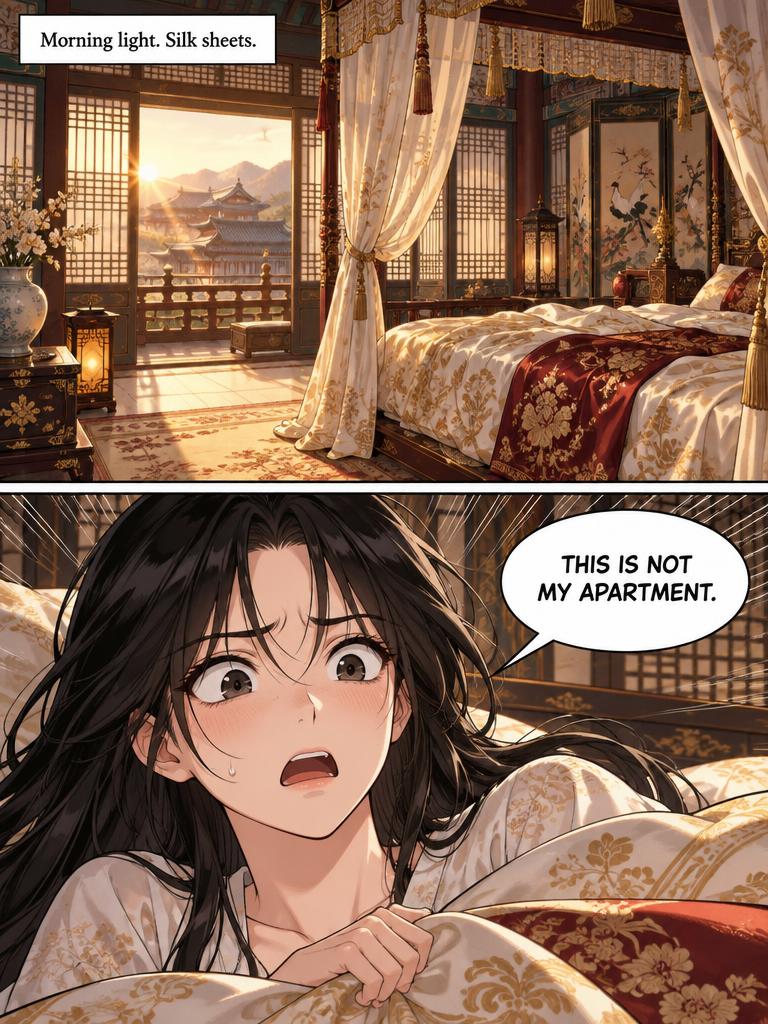
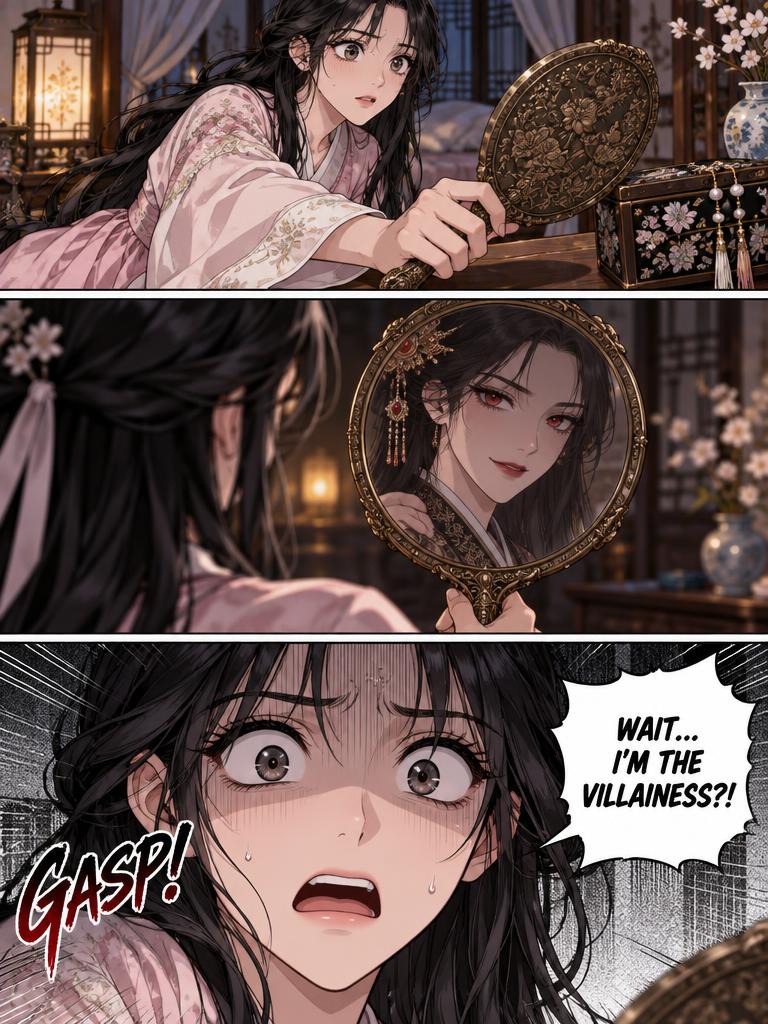
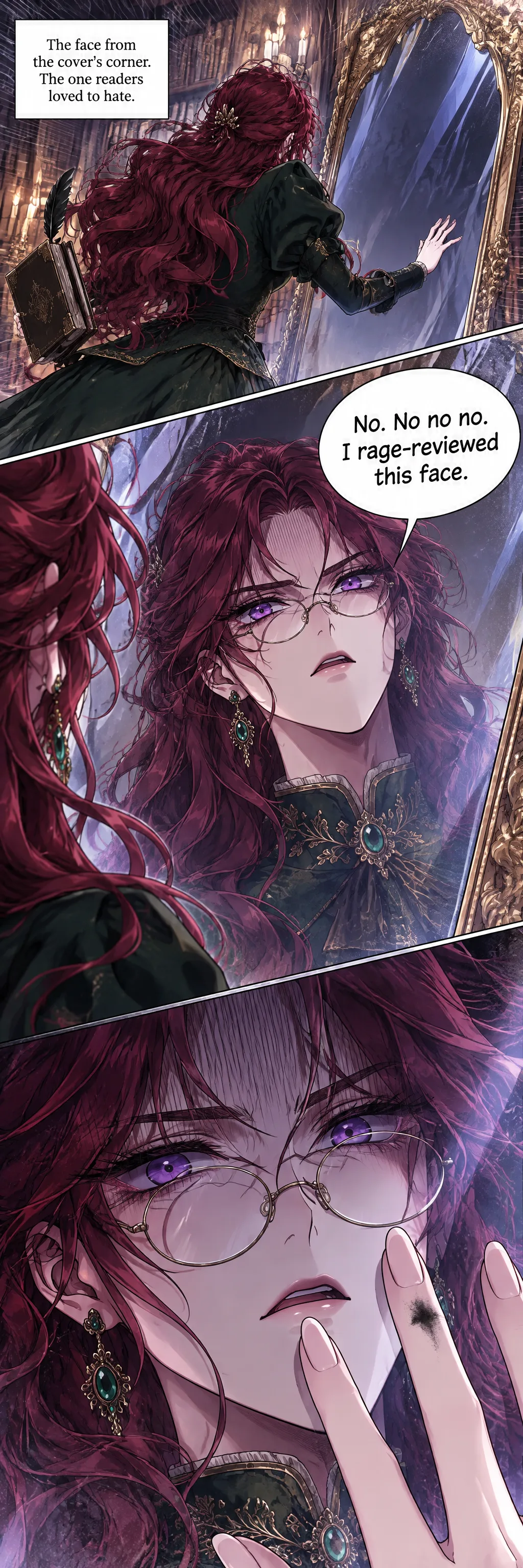
The wake-up: unfamiliar palace, unfamiliar sheets.The mirror: a stranger's face smiles back.GASP!
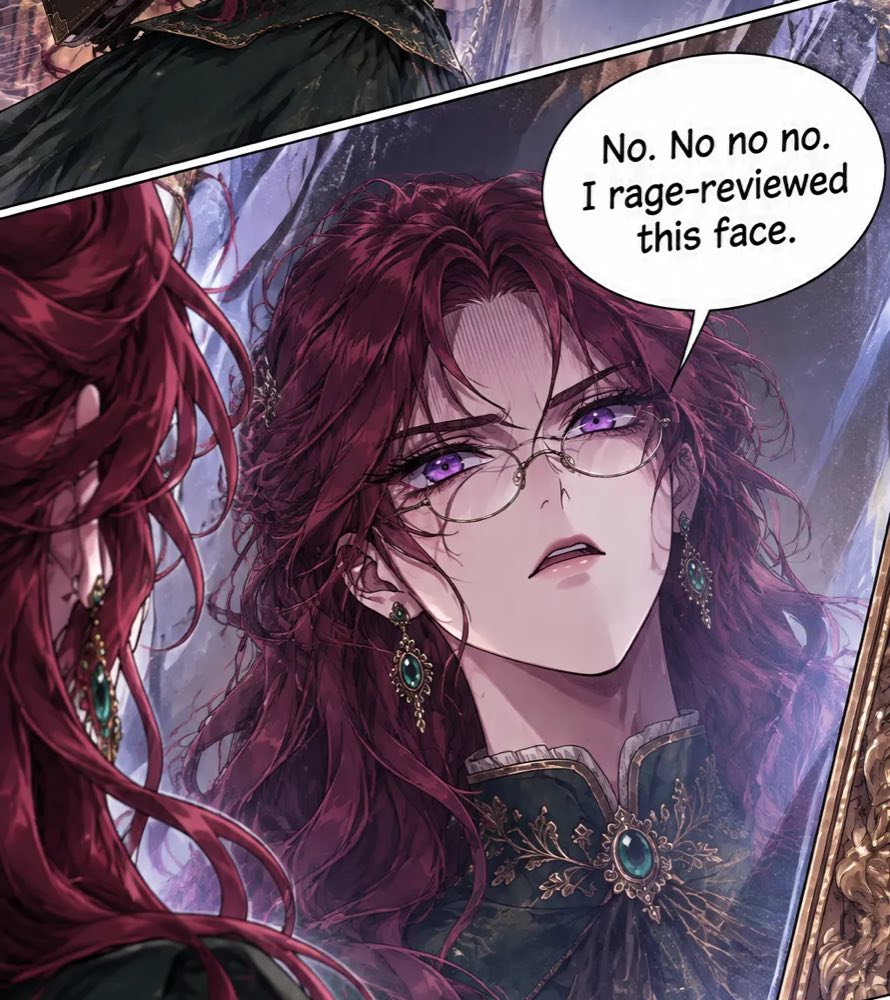
These two demo pages show the beats almost every villainess opener hits. First comes the disorientation ("this is not my apartment"), then the mirror moment: she catches her reflection and recognises the face from the novel's cover. It's the genre's signature panel, and artists love it because the reflection can look sly and haughty while the girl holding the mirror looks terrified.
every villainess, chapter oneWait... I'm the villainess?!
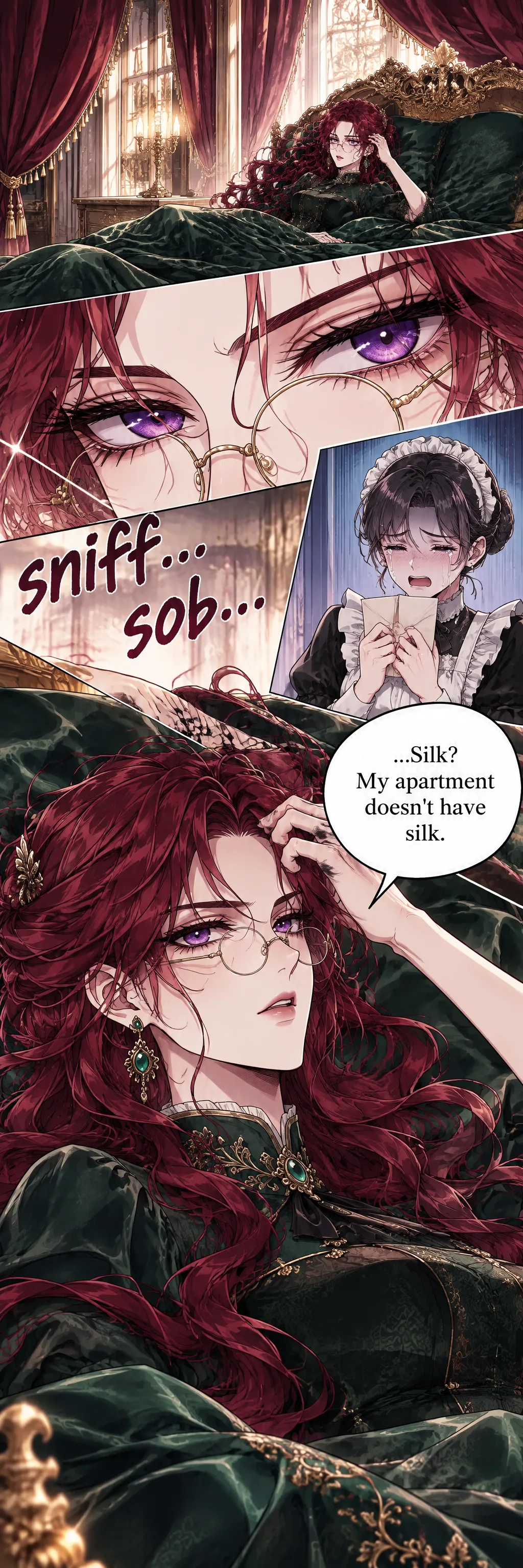
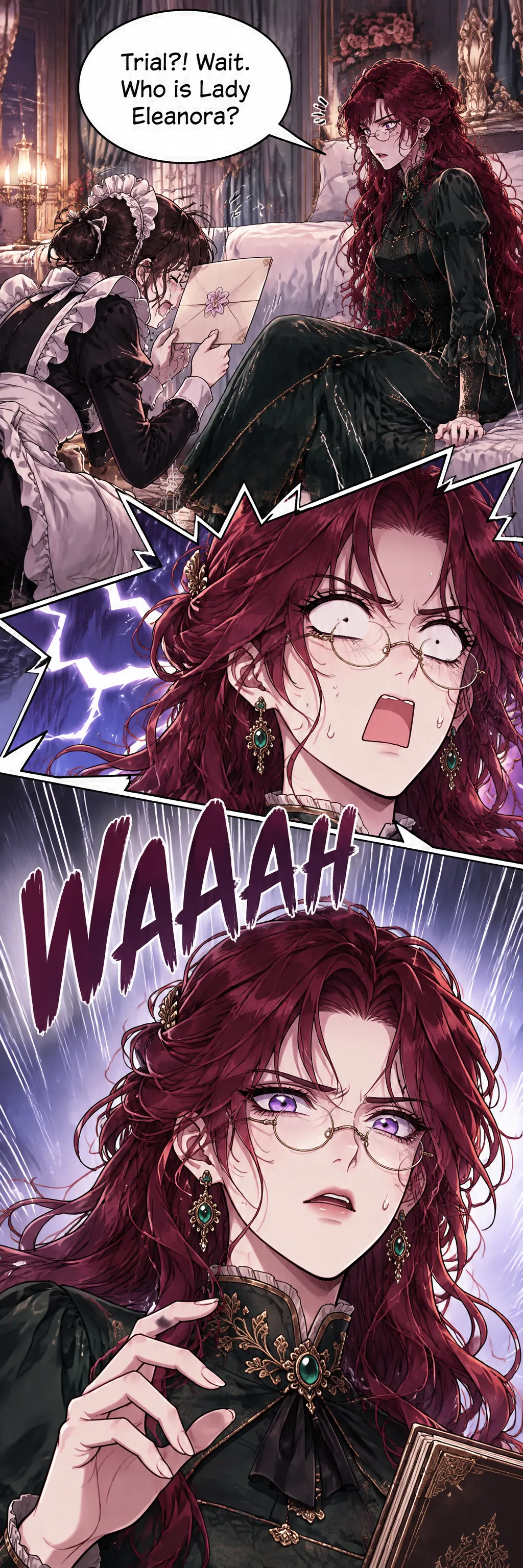
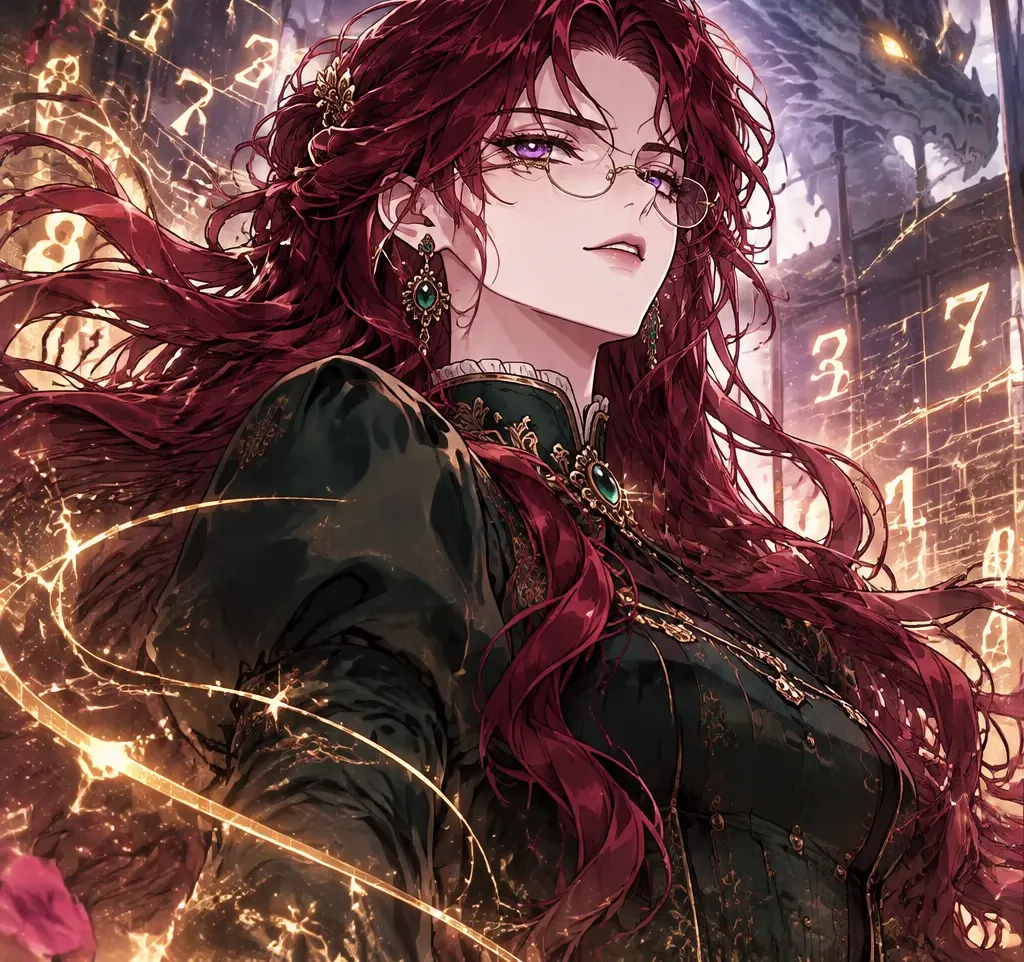
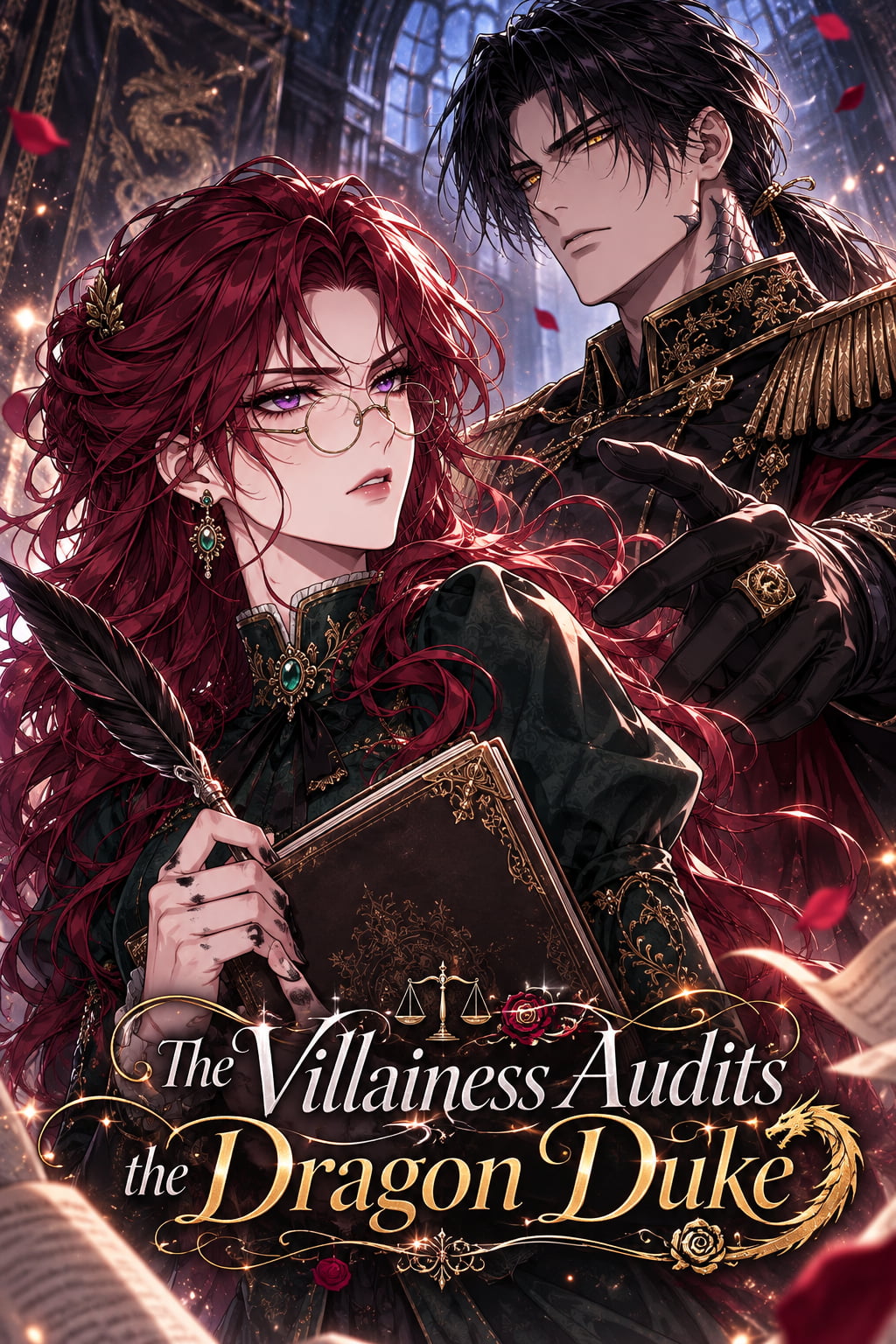
The Villainess Audits the Dragon Duke plays these beats with a wink. Overworked tax auditor Elena Moreau collapses over a midnight audit while writing a one-star review of a trashy romance novel. She wakes up as Lady Eleanora, the very villainess she was complaining about.
Episode 1 of The Villainess Audits the Dragon Duke, scrolled the way it's meant to be read: wake-up, panic, mirror.
'I rage-reviewed this face.' The mirror moment, with a reviewer's grudge.
Fans call it the doom flag: the event in the original story that ruins the villainess. It might be a broken engagement, exile to the frontier, or the scaffold. Because the heroine has read the book, she knows not justwhat happens but roughly when. That turns the whole series into a ticking clock.
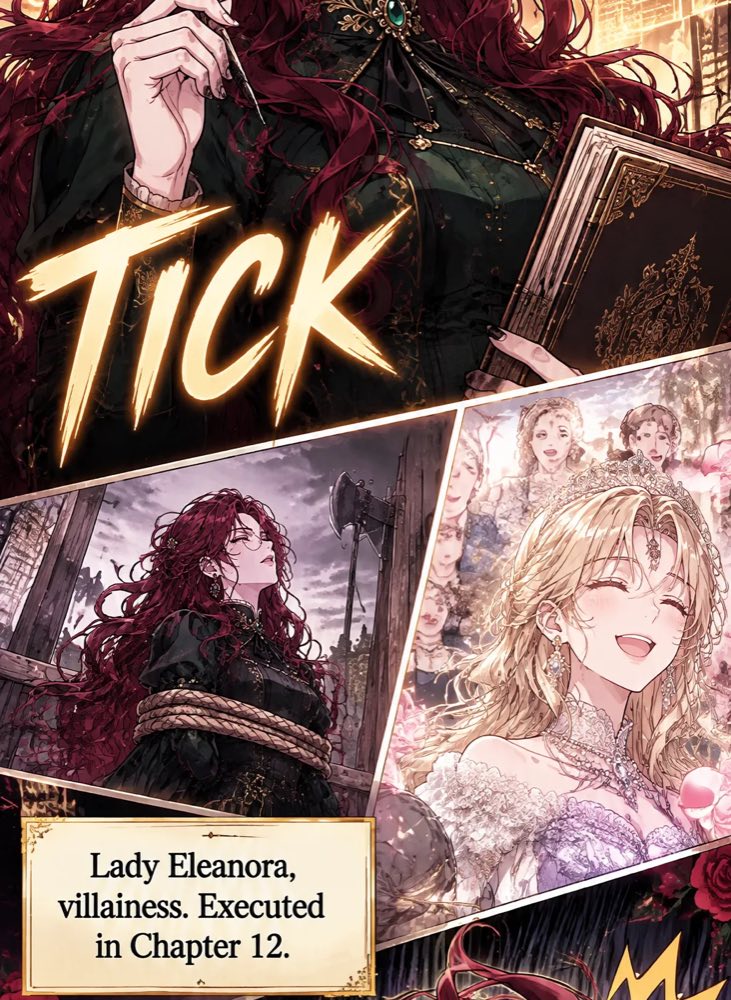
TICK
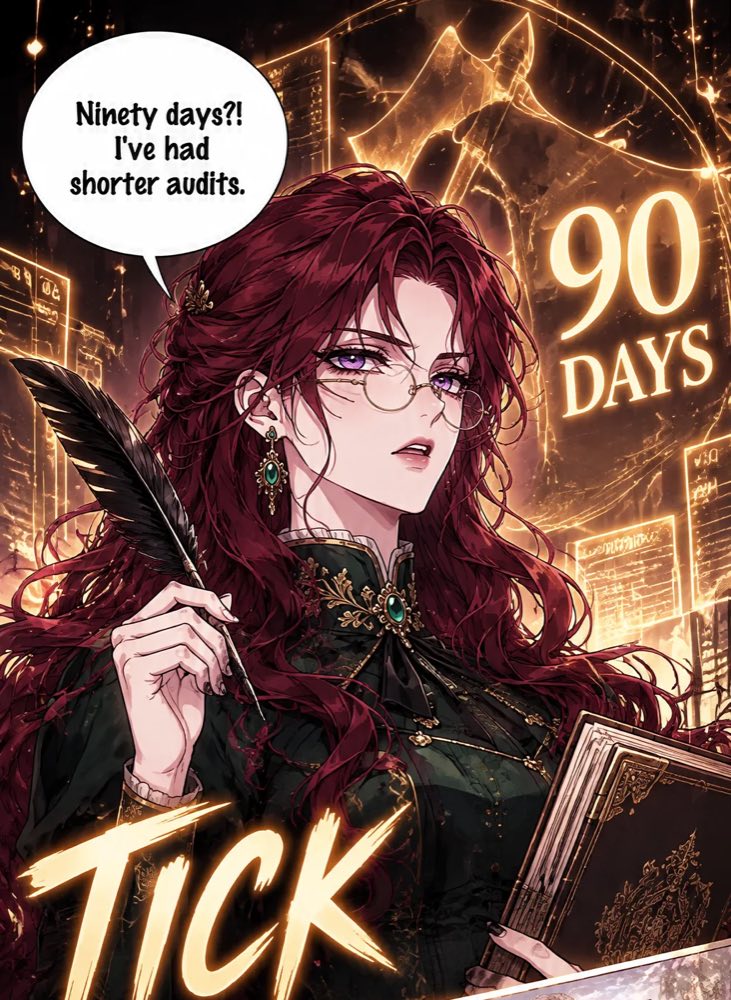
Many villainess stories literally put a countdown on the page.
Ninety days to live.The original ending: executed in Chapter 12.
Eleanora's deadline glows in gold numerals: 90 days until execution. Her reaction is pure auditor: she's had shorter audits. That mix of real stakes and comic deadpan is a big part of the trope's charm. The deadline is scary, but the heroine refuses to act scared for long.
The original heroine: sweet, or suspiciously sweet?#
The novel's "real" heroine is usually still in the story: a kind, beloved girl with pastel colours and a soft glow. In the original plot she wins the prince and the villainess loses everything. A newer twist, now almost a trope of its own, asks whether she was ever as innocent as the narration claimed.
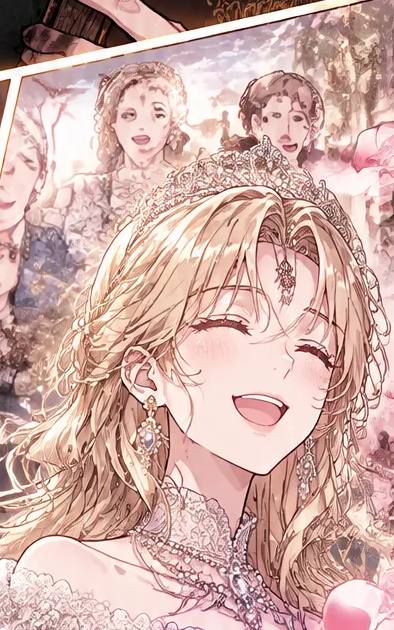
Princess Lilia, the novel's heroine: a jeweled tiara, golden hair and a radiant laugh.
Look at how this series introduces Princess Lilia. Every detail says storybook heroine: the tiara, the glow, the adoring crowd. Yet the episode 1 flashback sets the villainess, bound on the scaffold, right beside that laughing Lilia. Readers notice that kind of thing.
Spoiler
The series synopsis says Eleanora's audit uncovers war funds being siphoned into a treasonous plot, and the trail points toward the palace and its beloved heroine, Princess Lilia.
Here's where villainess stories get clever. The heroine's real power isn't magic or swordplay. It's knowledge of the plot. She remembers a detail the other characters can't possibly know and builds a survival plan around it. Classic plans include breaking her engagement before it breaks her, befriending the heroine, fleeing to the countryside, or allying with the one person the novel said was too dangerous to touch.
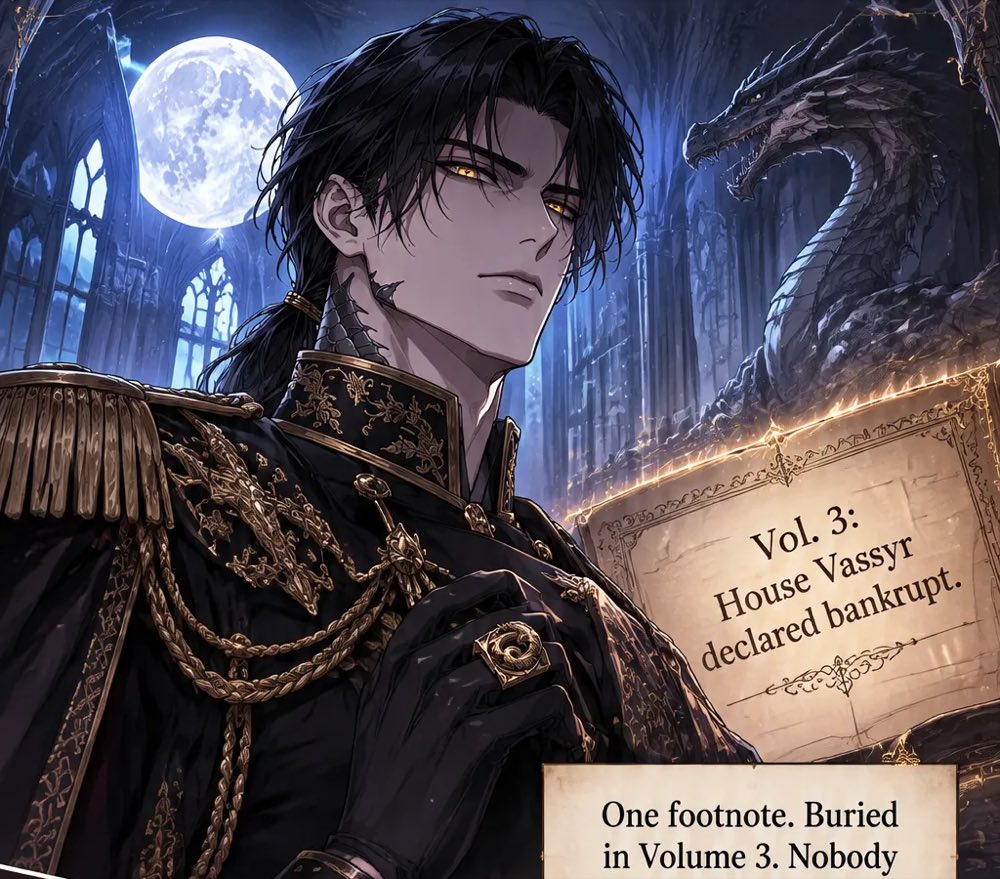
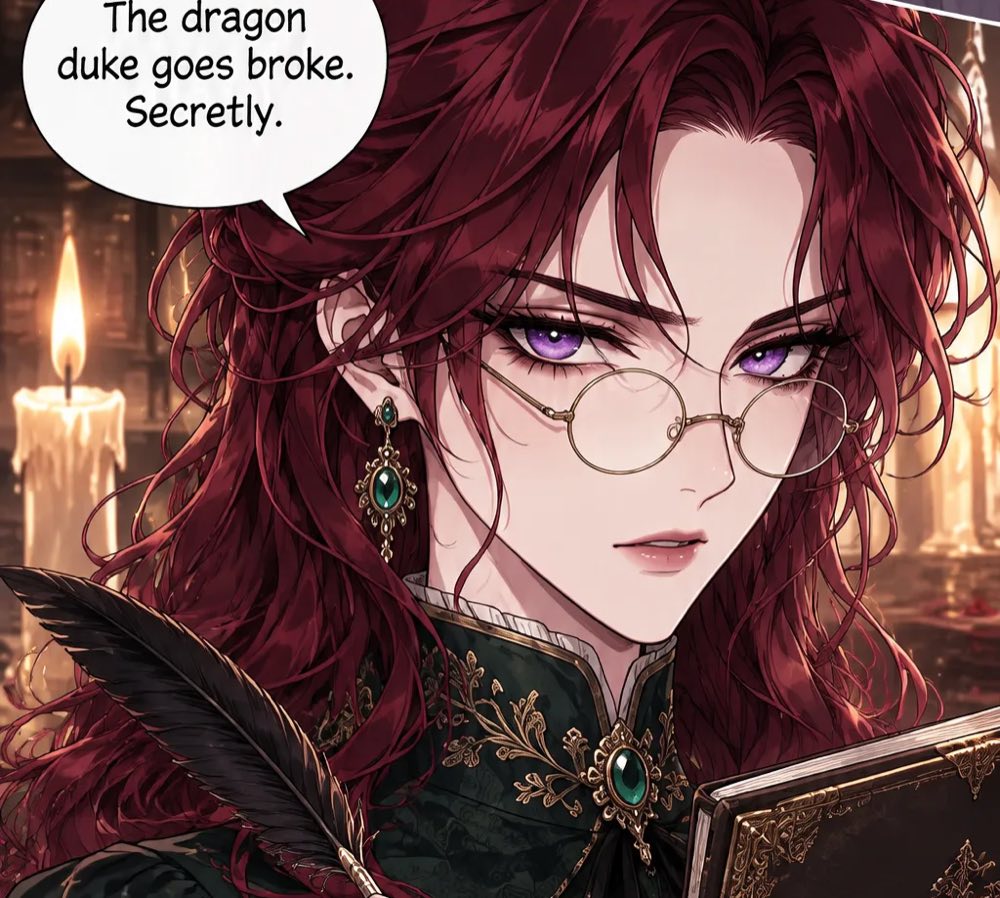
One footnote, buried in Volume 3.Which means he needs an auditor.
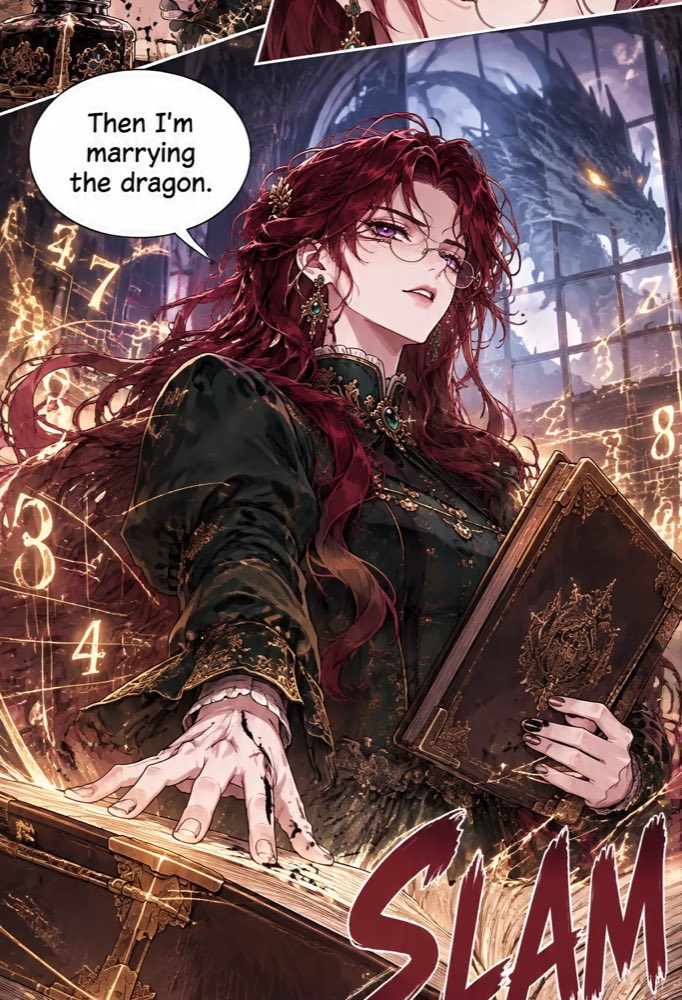
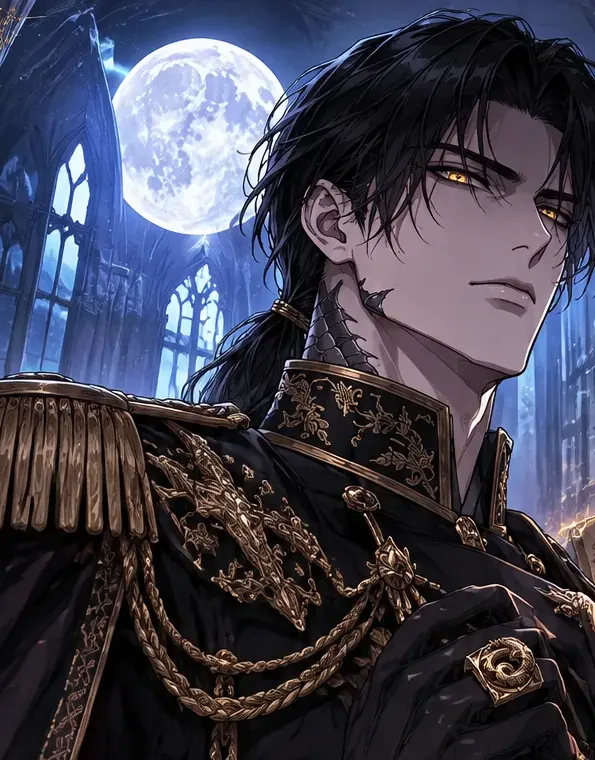
Eleanora's edge is a single footnote nobody else read: Duke Caelum Vassyr, the empire's feared dragon duke, secretly goes bankrupt in Volume 3. A man with a hidden money problem needs an auditor, and a woman with a death sentence needs a powerful protector. So she proposes a one-year contract marriage, run like a financial restructuring. (If that setup is your weakness, we made a whole list of contract marriage comics.)
The trope has stayed popular for years, and it isn't hard to see why. It packs several pleasures into one premise:
The underdog who knows the answers. She starts hated and doomed, but she's the only one who has read the script.
Fashion, palaces and scheming. Villainesses get the best gowns, the sharpest lines and the most dramatic entrances.
A second look at "bad" women. These stories ask why the ambitious, sharp-tongued girl had to be the villain in the first place.
Romance with an unexpected lead. Since she's avoiding the original male lead, her love interest is often someone the novel overlooked, like a cold duke nobody dared to approach.
Villainess trope ingredients
Plot knowledge
95
She's read the book. Maybe twice.
Reputation
8
Everyone already hates her.
Gown budget
90
Emerald silk, gold trim, hidden pockets.
Time left
20
The doom flag is always closer than it looks.
Chance of an unplanned romance
99
The plan never accounts for the duke.
The three corners of a villainess story: the woman rewriting her fate, the dangerous man she bets on, and the heroine the novel adored.
The Villainess Audits the Dragon Duke
Ninety days to live, one bankrupt dragon, and a ledger that doesn't lie.
Villainess
Reincarnation
Contract Marriage
Romance
A tax auditor works herself to death and wakes up as a doomed villainess, then bets her life on the dragon duke's books. Episode 1 runs from a midnight office to the mirror moment to a quill slammed on a ledger. The series is ongoing, so it's an easy one to start right now.
The villainess is one entry in a whole vocabulary of romance fantasy. Browse the romance trope dictionary for the rest, find more series in Romance, or head straight to the series page to meet Eleanora and her duke.
Read it now
Ninety days. One villainess. One very cold duke.
Watch Eleanora wake up in the wrong story and start rewriting it, one line item at a time.
A villainess manhwa is a romance fantasy comic where the heroine wakes up as the villain of a story, usually a novel she has read. She knows the villainess is doomed, so the plot follows her trying to dodge that ending.
Why does the villainess usually get reincarnated into a novel?
Waking up inside a book she has read gives the heroine a map of the future. She knows the plot, the cast and her own fate, which turns every chapter into a race to change what she already knows will happen.
Does the villainess end up with the male lead?
Often not the original one. Many villainess stories pair her with a side character the novel ignored, like a feared duke or a rival, and the romance grows out of her plan to survive.
 Trope Explained