Manhwa vs manga vs manhua, explained: where each comes from, which way you read it, why some are in color, and how print pages differ from vertical scroll.
Manhwa vs manga vs manhua: three words for comics that fans swap around all the time, and three very different ways of telling a story. The short version is country: manga is Japanese, manhwa is Korean, manhua is Chinese. The long version is far more fun, because the country shapes which way you read, whether the page is in color, and even how a scene is paced under your thumb.
All three words come from the same Chinese characters (漫畫), roughly “whimsical pictures,” read in Japanese, Korean and Mandarin. So they share a root, and they share plenty of artistic DNA: big expressive eyes, speed lines, dramatic close-ups. What separates them is everything around the drawing. Let's take them apart.
Key takeaways
1Manga is Japanese, mostly black and white, and read right to left in printed pages.
2Manhwa is Korean; today's digital manhwa are full color and read top to bottom in one long scroll.
3Manhua is Chinese, read left to right, and on modern apps looks a lot like digital manhwa.
4The format you're reading (page or scroll) matters more to the experience than the label on the cover.
Here's the cheat sheet. These are general patterns, not laws: there are color manga, black-and-white manhwa and page-format manhua. But if you pick up a random modern series from each country, this is what you'll usually find.
Manga, manhwa and manhua at a glance
Manga
Manhwa
Manhua
Country
Japan
South Korea
China (also Hong Kong and Taiwan)
Reading direction
Right to left, top to bottom
Left to right; vertical scroll reads top to bottom
Left to right; vertical scroll reads top to bottom
Color
Mostly black and white with screentone; color on covers and special pages
Digital series are usually full color; older print manhwa were often black and white
Digital series are usually full color; Hong Kong action comics were often printed in color
Format
Printed pages in a magazine, then collected volumes; digital copies keep the page layout
Today mostly one long vertical strip per episode, made for phones
Today mostly vertical strips on apps; also print albums and volumes
Publishing model
Weekly or monthly magazine chapters, then paperback volumes
Weekly episodes on web portals and apps, often with free episodes and paid early access
Episodes on comic apps and platforms, often free with paid chapters
Genres fans know it for
Shonen action, shojo romance, sports, slice of life, horror, almost everything
Romance fantasy, villainesses, regression, action fantasy, modern romance
Cultivation and martial arts fantasy, palace and historical romance
The biggest difference you'll feel is the format. Manga is designed for a printed page. An artist plans a two-page spread, decides which panel your eye lands on first (top right, because the book opens from the “back”), and saves the big reveal for the page turn. When a translated volume reaches you, the right-to-left order usually stays, which is why first-time readers flip the book open and land on the last page.
Modern manhwa took a different road. In the early 2000s Korean web portals began publishing comics as a single tall strip per episode, built for scrolling on a monitor and then on phones. There are no page turns, so the gap between panels does the job instead. A short gap keeps a conversation snappy. A long stretch of empty space makes you wait, and your thumb does the waiting for you.
Manga page
▸ Read right to left
▸ Panels arranged across a whole page or spread
▸ The page turn is the cliffhanger
▸ Black ink and screentone shading
VS
Vertical scroll
▸ Read top to bottom (manhwa, manhua)
▸ One panel or beat per screen
▸ Empty space between panels sets the pace
▸ Painted in full color
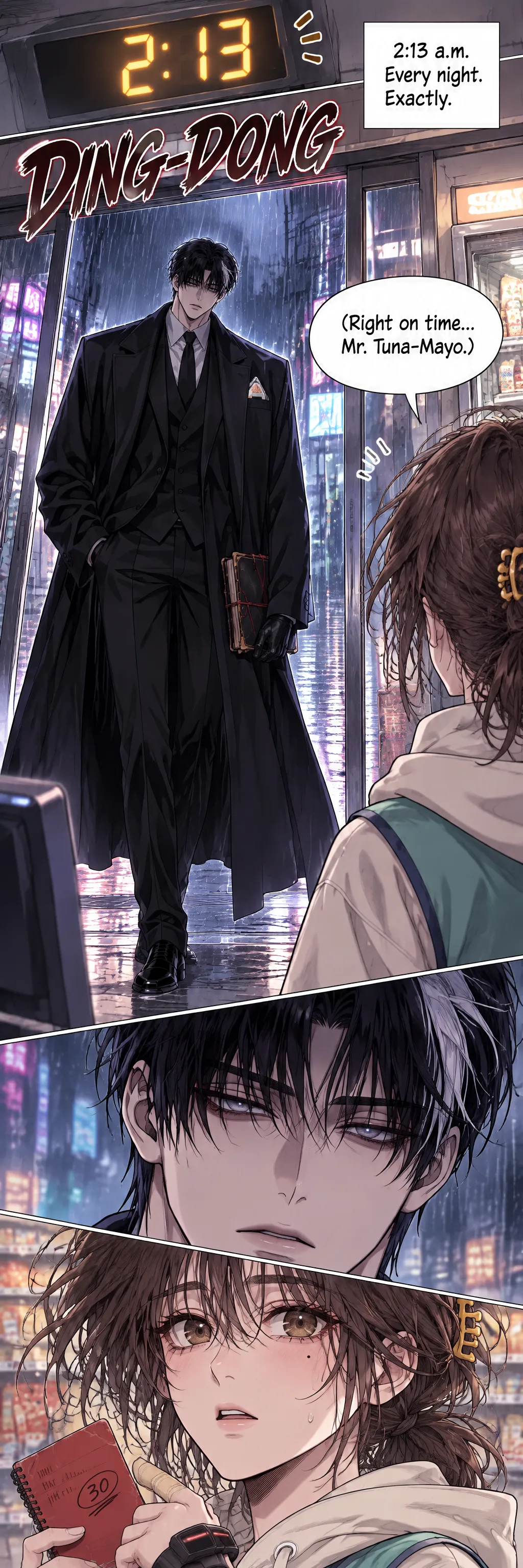
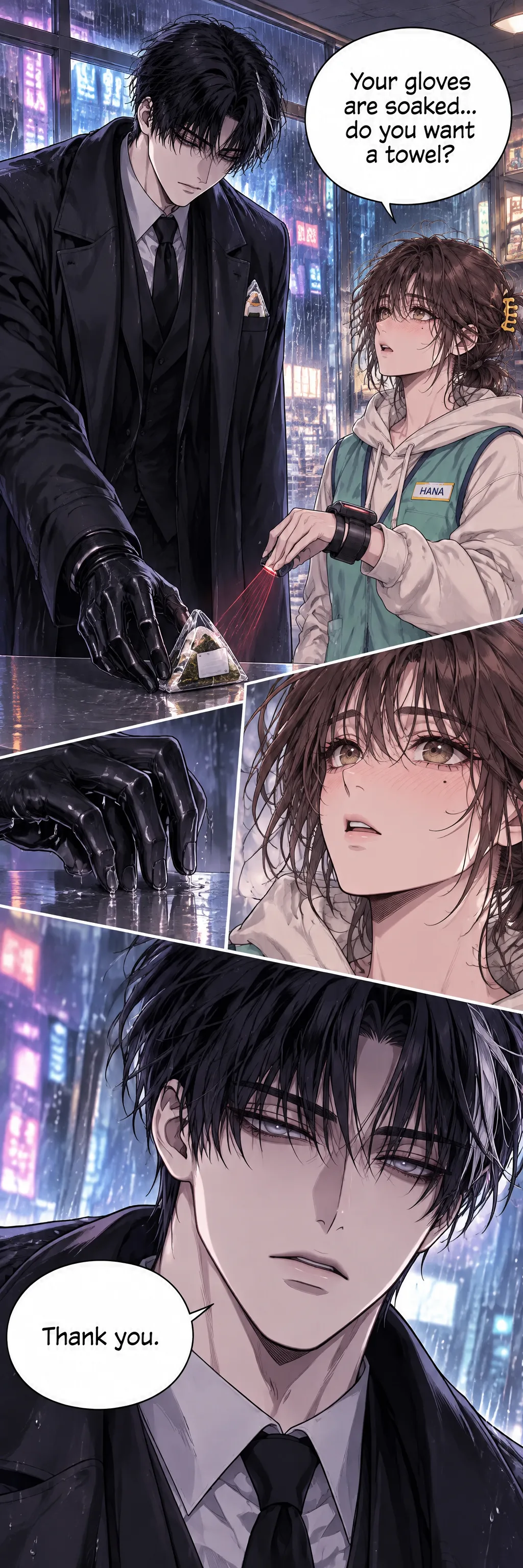
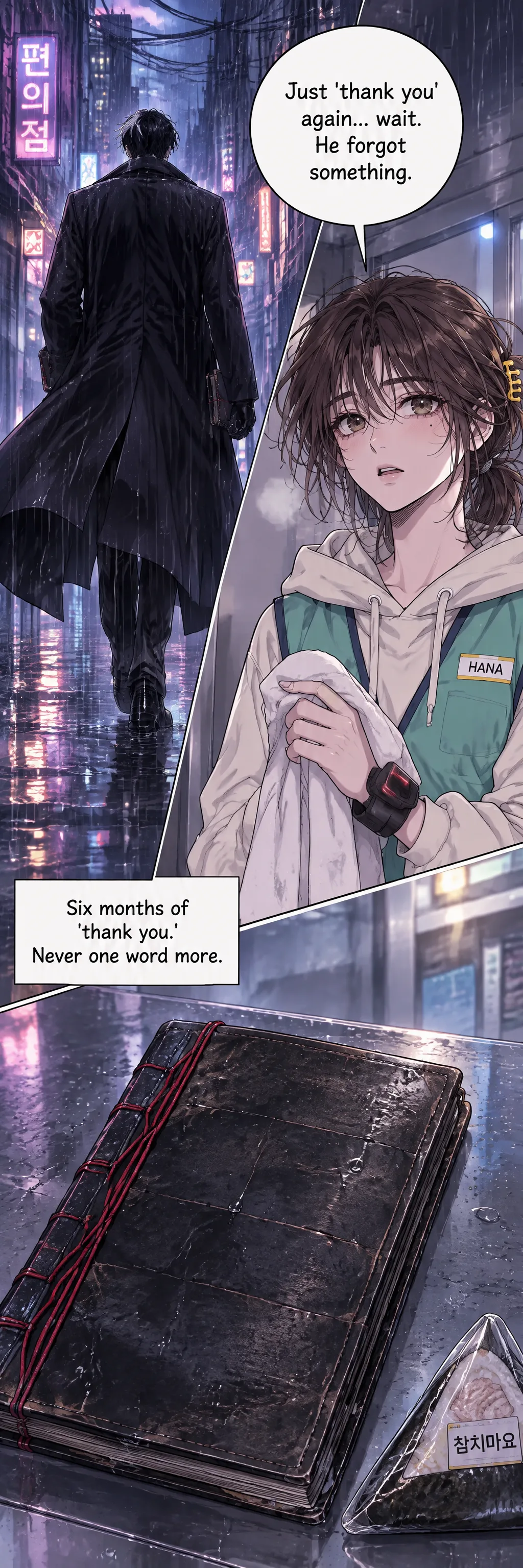
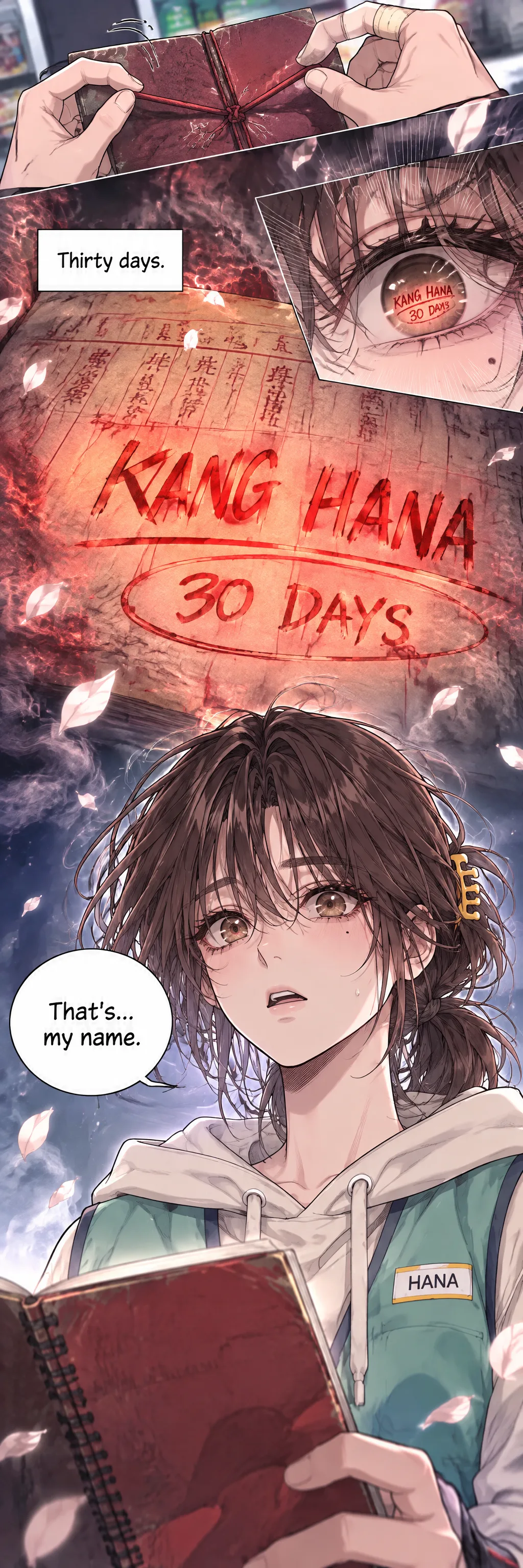
Every Toonor original is a vertical, full-color scroll comic, so we can't show you a printed manga page here, and we won't pretend to. What we can show you is the scroll at work. Below are four real pages from episode 1 of Midnight Kimbap for the Reaper, a Seoul-set supernatural romance. Scroll inside the phone and watch the gaps grow as the scene tightens.
he leaves
turn the page
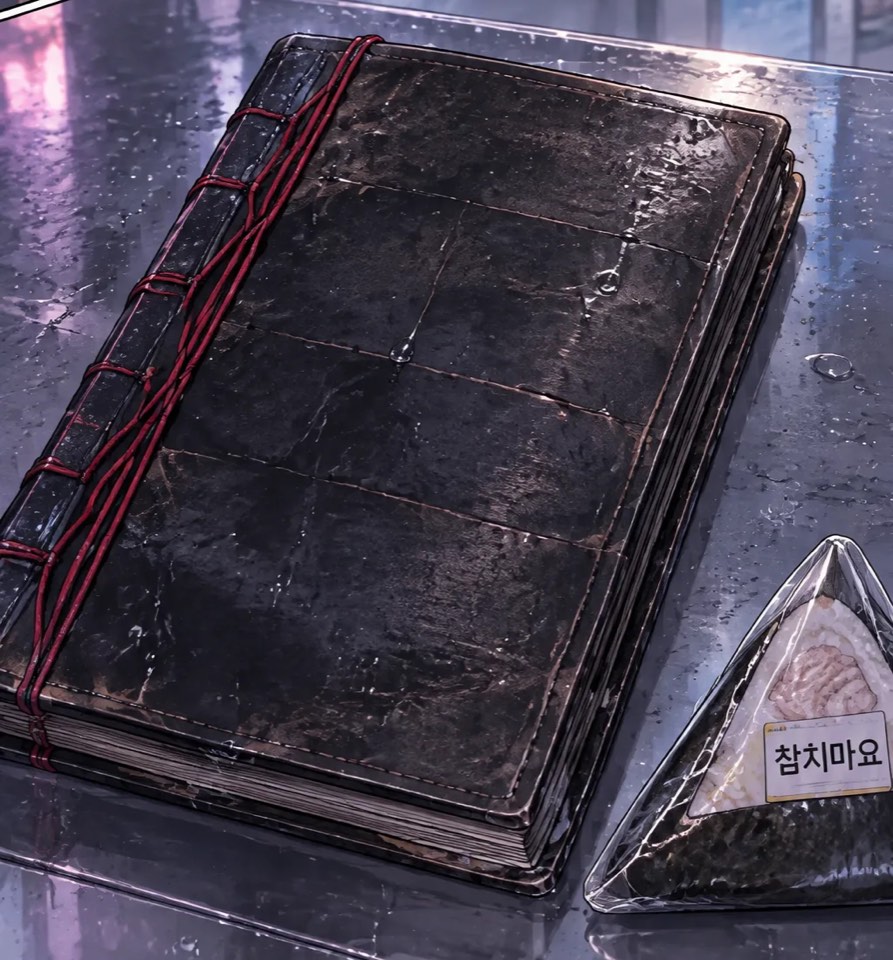
2:13 a.m., the same customer, the same “Thank you.” Then he leaves something behind, and the longest gap in the strip comes right before the reveal.
Notice what the scroll does. The clock, the door chime and the slow walk into the rain are stacked tightly, because it's routine. The space opens up once he's gone, and the biggest pause sits right before the ledger page, so the name in red ink lands like a page turn would in a printed book.
SCROLL…
In a scroll comic, empty space is a storytelling tool, not wasted paper.
Japanese manga grew up in thick, cheap weekly anthology magazines, often hundreds of pages each week. Printing all of that in color would have been slow and expensive, so the industry mastered black ink and screentone: dot patterns that fake shading, texture and mood. Color is usually saved for covers and the occasional opening page.
Digital manhwa and manhua skipped the printing press. On a screen, a color panel costs no more to show than a gray one, so color became part of the storytelling: a mood, a temperature, a signal. We go deeper on this in why vertical comics are in full color, but one panel makes the point.
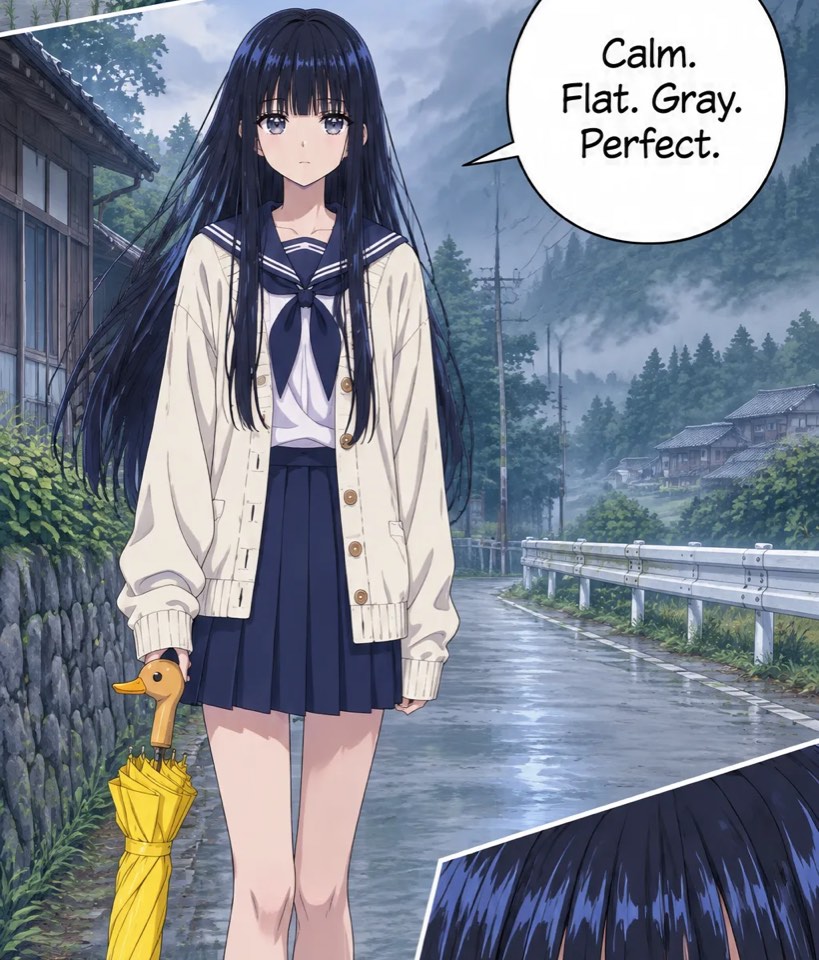
Snow in July, episode 1: the heroine keeps her feelings, and the sky, deliberately gray. The yellow umbrella is the brightest thing in the panel.
In Snow in July, Sayo's emotions control the weather, so she trains herself to feel nothing. The whole valley is washed in flat gray-teal, and the only loud color is her yellow umbrella. That's a joke and a character note told in color alone, the kind of beat a black-and-white page would have to handle with lettering or screentone instead.
Where each one comes from (and how it's published)#
Manga chapters traditionally run in magazines, weekly or monthly, aimed at audiences with names like shonen (young male readers), shojo (young female readers), seinen and josei (adult men and women). Popular series are collected into paperback volumes, and digital apps now carry many of them too, usually keeping the printed page layout.
Manhwa has a long print history in Korea, but the version most fans mean today is digital: weekly episodes on portals and apps, often with free episodes and a paid option to read ahead. That model rewards strong hooks at the end of every episode, which is why so many manhwa end on a cliffhanger.
A small detail with a big signal: the triangle kimbap on Hana's counter is labeled in Korean (참치마요, tuna-mayo).
Manhua covers comics from mainland China, Hong Kong and Taiwan. Hong Kong is famous for its hard-hitting martial arts comics, and mainland apps today publish huge numbers of vertical, full-color series. Scanned side by side on a phone, a modern manhua and a modern manhwa can be hard to tell apart until you read the lettering and spot the genre.
How to tell them apart at a glance
Look at the sound effects and signs. Japanese kana, Korean hangul and Chinese characters are easy to tell apart once you know them, and original lettering is often kept in the art even in translation. In Midnight Kimbap for the Reaper, the neon sign in the alley reads 편의점 (convenience store) in hangul.
Every country makes every kind of story, but each has its signature flavors. Manga is the giant: shonen battle epics, sports, school comedies, horror, cooking, everything. Manhwa fans gravitate toward romance fantasy (a heroine wakes up inside a novel, often as the villainess), regression stories and hunter-style action. Manhua is the home of cultivation fantasy, where heroes train for centuries toward immortality, plus lavish historical and palace romance.
If the villainess and regression hooks sound familiar, our explainers on what a villainess story is and isekai vs reincarnation vs regression go deeper. And if you want a taste of the romance-fantasy flavor right now, here's one with a very modern heroine.
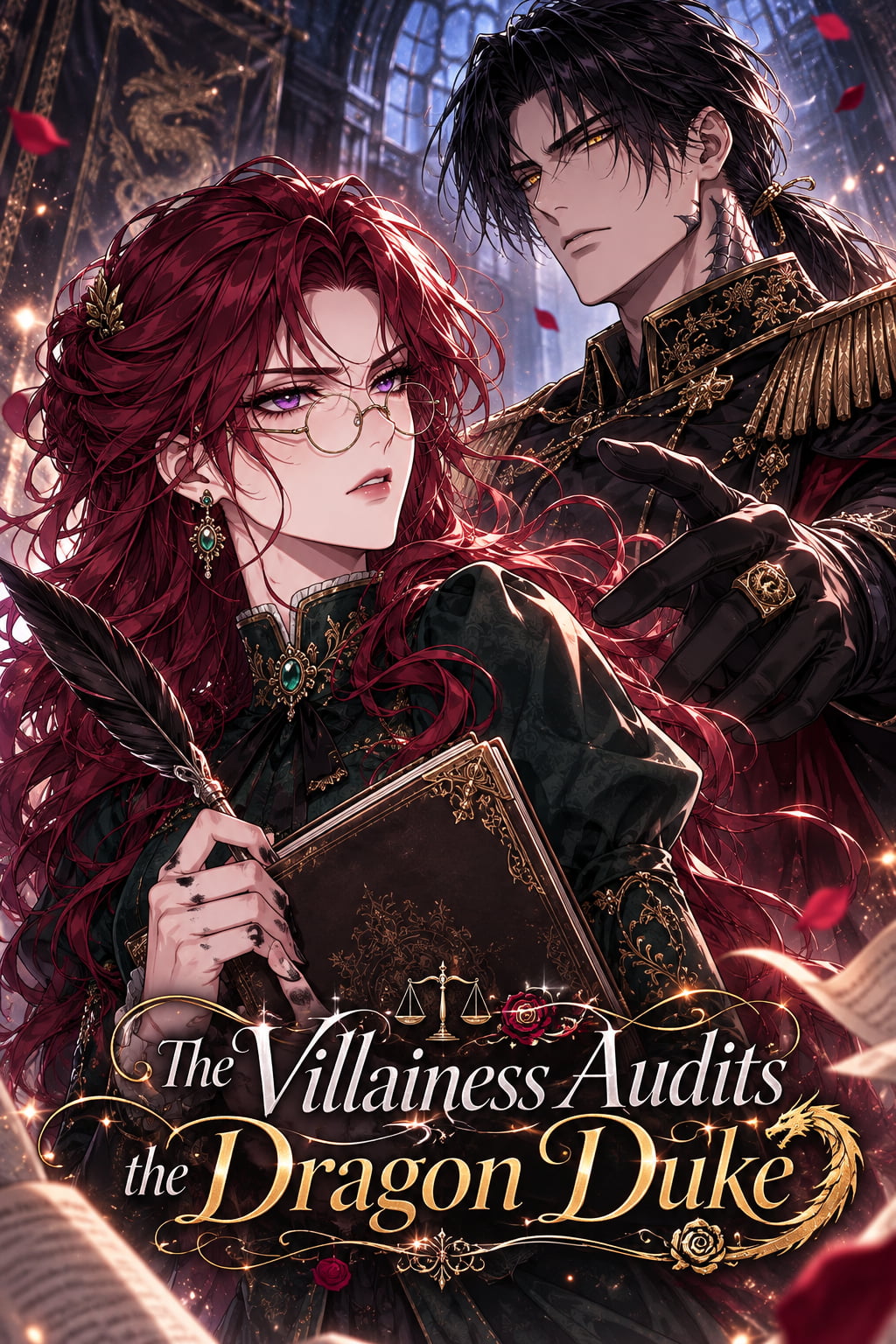
The Villainess Audits the Dragon Duke
Ninety days to live, one bankrupt dragon, and a ledger that doesn't lie.
Villainess
Reincarnation
Contract Marriage
A tax auditor works herself to death and wakes up as the hated villainess of a romance novel she once rage-reviewed, with 90 days until her execution. Her plan? Marry the dragon duke she knows is secretly going broke.
Toonor comics are original anime-style stories made in the vertical, full-color format, rather than translations of manga, manhwa or manhua. Some are set in Korea, like the Mapo convenience store in Midnight Kimbap for the Reaper. Others take place in Japanese mountain towns or invented empires. The setting changes, but the reading experience stays the same: scroll, pause, gasp.
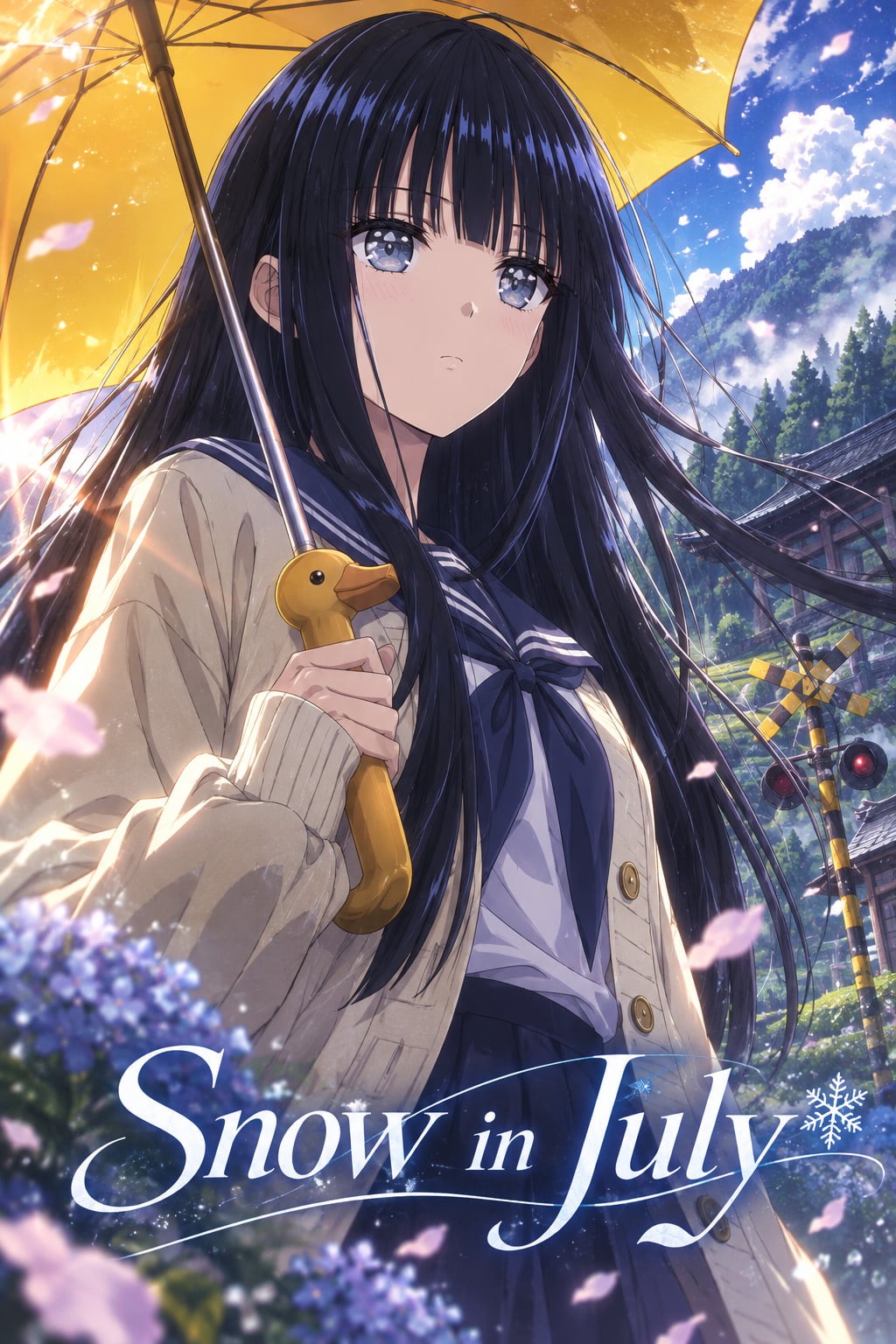
Snow in July
Her heart controls the sky. His smile just broke the forecast.
Supernatural
School Life
Slow Burn
A girl who keeps her feelings flat to keep the weather calm meets a storm-chasing boy with a camera. Episode 1 ends with snow falling on green summer leaves.
Manga are Japanese comics, usually printed in black and white and read right to left. Manhwa are Korean comics; modern digital manhwa are mostly full color and read top to bottom in one long vertical scroll.
Is manhua the same as manhwa?
No. Manhua are Chinese comics (including works from Hong Kong and Taiwan), while manhwa are Korean. Today both are often published digitally in full-color vertical scroll, so they look alike, but their languages, publishers and favorite genres differ.
Which way do you read manhwa and manhua?
Left to right, like English, and in vertical-scroll comics simply top to bottom. Japanese manga is the one that reads right to left, which is why translated manga volumes start at what Western readers think of as the back.
 Anime Culture
 Anime Culture